The combination of rich chocolate and crispy biscuits creates a...
Read More


Do you love crispy, crunchy cookies? These delicious snacks have really governed time, being a favorite in the afternoon with a hot beverage! With numerous options available, it is always hard to get a homemade cookie that is crispy and MELTS in your mouth through simple, old-fashioned ways with a built-in love for simple recipes. Well, never mind; here you shall find the best possible help! This broad guide takes you on an odyssey of mildly crispy homemade wonders to search out hidden gems that impart the warmth of home, plus that definite texture!
Introduction to Crispy Biscuits
What Makes a Biscuit Crispy?
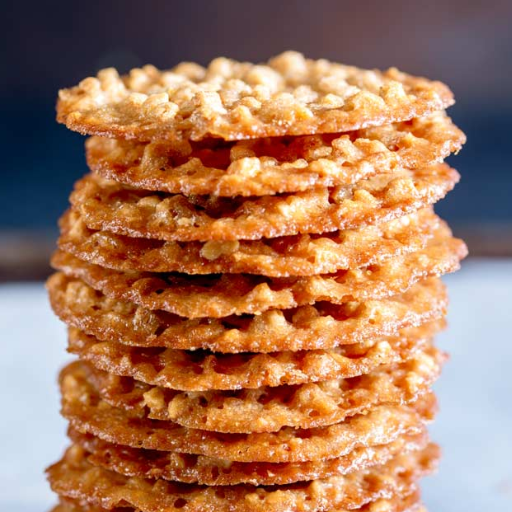
To achieve the texture of crispness in biscuits is achieved through a careful balance of ingredients and precise baking techniques, though it is imperative that a proper balance of fat, sugar, and flour in the right proportions is also achieved. The purpose of the fat, whether butter or shortening, is to coat the flour particles while preventing excessive development of gluten, creating a bracingly, but not too brittlely dense, crispy, and tender body. This reason, when to the same end, is superbly complimented on the outside by the caramelization of the granulated sugar when cooked.
Key Factors for Crispiness
- Low Moisture Content: Essential for achieving a genuinely crispy texture. Measure ingredients accurately and mix in the proper order.
- Proper Baking: Bake at the correct temperature and duration to remove moisture without burning.
- Cooling Process: Allow biscuits to cool properly on a wire rack to maintain crispness.
- Storage: Store in airtight containers away from humidity. Add silica gel packs or dry rice to absorb excess moisture.
The Importance of Flakiness
Featherlight flakiness is the signature of excellent baking, from biscuits to pie crusts to croissants. This particular texture is all about how steam swells and cured the layers of dough when it gets folded around fat such as butter or shortening. These swollen layers end up contributing to the airy texture that is like a calling card for the real masters of dough. To the non-flaky results, baked goods will be spongy and overly dense.
To be flaky, fat selection and handling are important. The fat needs to stay cool and firm, whether butter or shortening, during mixing and baking so that layers get preserved. Not all residual handling will toughen the dough and turn the fat to lard. Folding, layering, and lamination techniques also improve the flakiness.
Why Homemade Biscuits Are Superior
Home-cooked biscuits offer freshness that store bought ones cannot nearly match. Home cooked biscuits, ones baked in love, with simple, quality ingredients (preferably without additives or preservatives), are good, just heavenly, and have a slightly authentic flavor. Bakery-produced ones mostly contain some chemicals, ridiculous amounts of sugar, and artificial colors, so that both taste and nutrition are compromised.
The feeling of baking the biscuits at home is the entire source of happiness. Starting from kneading the dough to watching it rise, working from scratch gives way for pleasures and sense of accomplishment. Sharing these biscuits with family and friends provides a plethora of events from appreciation and connection with each other.
Crispy Biscuit Recipes
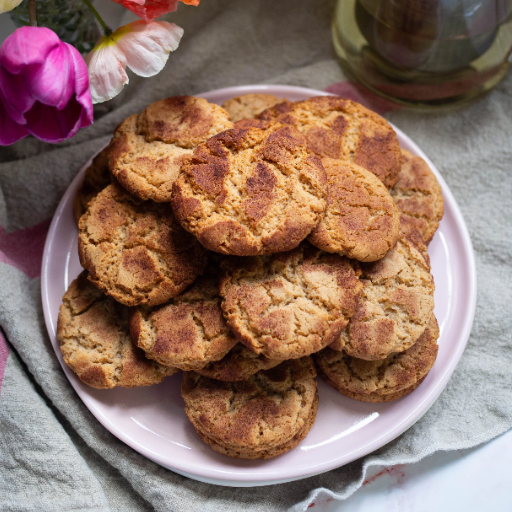
Classic Flaky Biscuit Recipe
Ingredients:
- ✓ 2 cups all-purpose flour
- ✓ 1 tablespoon baking powder
- ✓ 1/2 teaspoon baking soda
- ✓ 1 teaspoon salt
- ✓ 6 tablespoons cold unsalted butter, cubed
- ✓ 3/4 cup cold buttermilk
Instructions:
- First and foremost, preheat the oven to 425°F (220°C) and arrange a parchment-lined baking sheet at the center.
- Secondly, in a large mixing bowl, combine and sieve the flour, baking powder, baking soda, and salt.
- Thirdly, mix the cold butter with the dry ingredients by working it in by using your fingertips or a pastry blender until all mixture has the consistency of coarse crumbs.
- Then add buttermilk just until the dough comes together. It should be sticky but not soft. Do not overmix!
- Turn dough out onto a lightly floured surface and knead, gently, 2 or 3 times. Pat out about 1 inch thick.
- With a biscuit cutter or a round glass, cut out biscuits. Roll up scraps gently to make more biscuits.
- Arrange biscuits on prepared baking sheet.
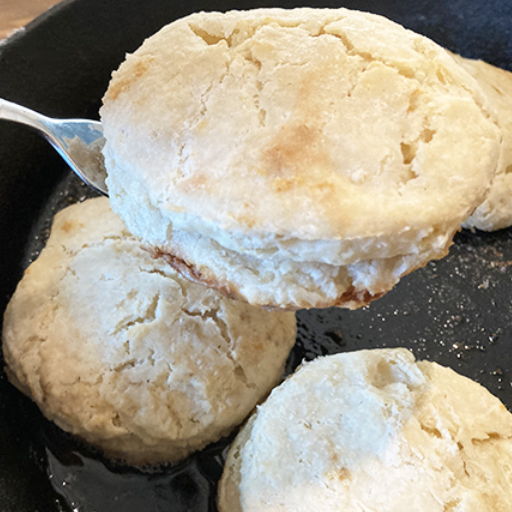
- Bake in preheated oven for 12-15 minutes, until biscuits are nicely golden on top. Serve hot, hidden behind a bowl of butter.
Using Baking Powder for Perfect Rise
For a rise that is extraordinary and a texture that is light and fluffy, baking powder is a must. The final indepedence of carbon dioxide from baking soda, an acid, and a moisture absorber pops the basic leavening action that occurred inside the dough.puties or increases that fast expansion during the backing.
💡 Pro Tips for Baking Powder Success
- Always check the expiration date—expired baking powder loses effectiveness
- Measure accurately to avoid flat or overly risen biscuits
- Handle dough gently to prevent gas bubbles from escaping
- Avoid overmixing, which can cause gas to escape and prevent proper rising
Delicious Variations on the Basic Recipe
| Variation Type | Additions | Notes |
|---|---|---|
| Savory Cheese | Sharp cheddar, rosemary, or chives | Fold grated cheese into dough before forming biscuits |
| Sweet & Spiced | Cinnamon, nutmeg, vanilla extract | Perfect for breakfast or dessert biscuits |
| Fruit-Filled | Blueberries, dried apricots | Reduce baking powder slightly with acidic fruits |
| Gluten-Free | Almond flour, GF flour blends | Substitute 1:1 for regular flour |
| Dairy-Free | Almond milk, oat milk, vegan butter | Maintains light, fluffy texture |
Best Homemade Biscuits: Tips and Techniques
Choosing the Right Ingredients
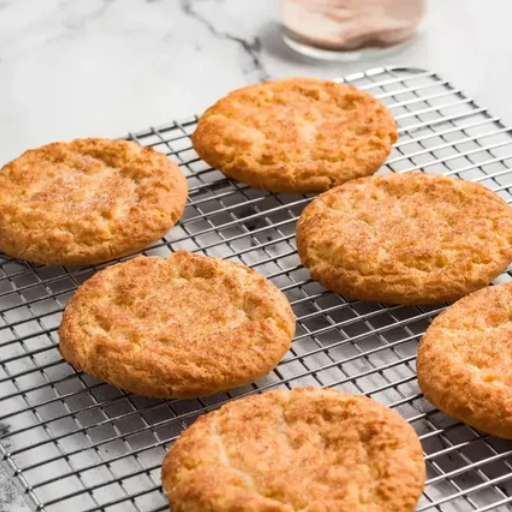
The foundation of crispy biscuits lies in selecting quality ingredients that work together harmoniously. All-purpose flour provides the right protein balance for texture without excessive density. Consider adding a small amount of cornstarch to further lighten the biscuit.
🧈 Fat Selection
For any flaky layers, it is crucial to maintain cold, unsalted butter. Keeping the butter cold produces steam pockets during baking. Grating or finely cubing the butter makes it possible for even distribution.
🥛 Liquid Ingredients
Whole milk or buttermilk contribute creaminess and help bind the dough. Buttermilk imparts a nice bite. To keep your biscuits tender, avoid over-mixing the dough.
Perfecting Your Biscuit Dough
✅ Essential Dough-Making Checklist
- Chill your butter: Cold butter creates steam pockets for flaky layers
- Cut butter to pea-size pieces: Ensures even distribution throughout dough
- Don’t overmix: Overworking activates gluten, resulting in tough biscuits
- Keep visible butter chunks: These create that light, airy crumb
- Balance flour and hydration: Proper ratio keeps biscuits tender yet structured
- Bake at high temperature: Helps butter melt quickly and form flaky layers
- Space biscuits properly: Allows even cooking and better edge crisping
How to Achieve Crunchy Textures
Creating the perfect crunchy texture requires attention to three key areas: ingredient balance, baking technique, and proper storage. Let’s explore each element:
1. Ingredient Balance
Fat (usually butter) is crucial for creating a crunchy exterior as it melts and combines considerable fat with dough during baking. Use adequate fat for crispness, but avoid excess which can actually make biscuits very greasy. Minimize liquid ingredients with too much moisture, almost overnight; they prevent crisping and tenderness before they create crunchy biscuits.
2. Baking Technique
High oven heat is crucial for the biscuits to develop a proper crust while maintaining a tender interior. Always be sure to preheat your oven to the required temperature as well as using only thermally treated metal trays for baking. In order to achieve higher crispiness, it is permissible to bake a few minutes longer; carefully watch them to prevent any burning.
3. Cooling & Storage
Cool cookies on a wire rack immediately after baking to prevent steam-crusting the exterior. Store the cookies in an airtight container after they cool off to prevent moisture formation on the surfaces. It is good to include a paper towel or a silica gel pack to absorb the residual moisture during long storage.
Make Ahead and Storage Options
Freezing Biscuit Dough for Later Use
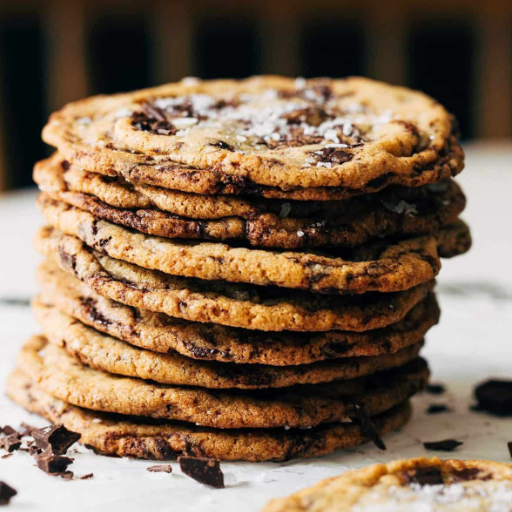
Freezing biscuit dough is an excellent way to enjoy fresh biscuits on demand without compromising quality. This convenient method ensures you’re always prepared for unexpected guests or sudden cravings.
Step-by-Step Freezing Process
- Prepare dough as usual following your recipe instructions completely
- Cut biscuit shapes and arrange on a parchment-lined baking sheet without touching
- Freeze until solid (1-2 hours) on the baking sheet
- Transfer to freezer container or freezer bag, label with date
- Store for up to 3 months maintaining quality and flavor
- Bake from frozen—no thawing needed! Add 2-3 extra minutes to baking time
Storing Baked Biscuits to Maintain Crispiness
| Storage Method | Duration | Best Practices |
|---|---|---|
| Room Temperature | 2-3 days | Store in airtight container lined with parchment paper. Add desiccant packet if available. |
| Frozen | Up to 3 months | Freeze on baking sheet first, then transfer to freezer bag. Label with date. |
| Refrigerated | Not recommended | Refrigeration causes biscuits to become stale quickly. |
⚠️ Important Storage Tips
- Always cool completely before storing—residual heat creates condensation and sogginess
- Never refrigerate biscuits—this accelerates staling
- Use parchment paper between layers to prevent sticking and absorb excess moisture
Best Practices for Reheating Biscuits
🥇 Best Method: Oven
Temperature: 350°F
Time: 5-10 minutes
Process: Place biscuits on baking sheet. Cover loosely with aluminum foil to prevent burning. This method restores crispness and freshness perfectly.
Result: Crispy exterior, fluffy interior—just like fresh from the oven!
🥈 Quick Method: Toaster Oven
Temperature: 350°F
Time: 3-5 minutes
Process: Perfect for small batches. Offers even heating on a smaller scale. Monitor closely to prevent over-browning.
Result: Nearly as good as oven method, ideal for 1-4 biscuits.
🥉 Emergency Method: Microwave
Power: Medium
Time: 15-20 seconds
Process: Wrap each biscuit in a slightly damp paper towel. Use only when time is critical—this method won’t restore crispness.
Result: Warm but softer texture. Quick but not ideal.
Finding the Best Biscuits Near You
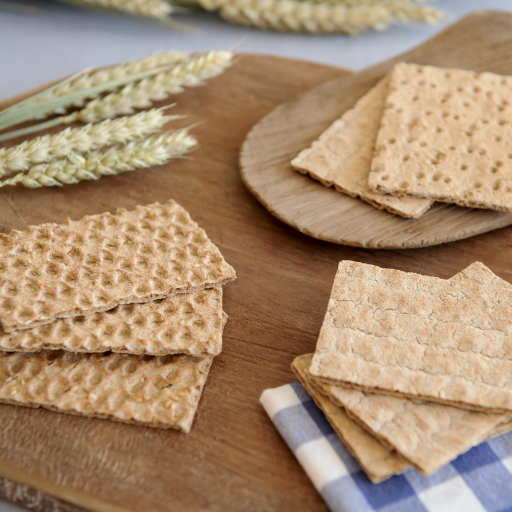
Local Bakeries Known for Crispy Biscuits
Finding exceptional locally-made biscuits starts with exploring neighborhood bakeries that use traditional recipes and time-honored techniques. These establishments often represent generations of baking expertise and authentic flavor.
🔍 How to Find the Best Local Biscuits
- Check online reviews: Read customer experiences on Google, Yelp, and social media
- Ask neighbors and friends: Personal recommendations often lead to hidden gems
- Visit farmers’ markets: Small-batch bakers often sell here using locally-sourced ingredients
- Look for specialty bakeries: Southern-style or artisan bakeries typically excel at biscuits
- Request samples: Many bakeries offer tastings before purchase
- Build relationships: Chat with bakers to learn their techniques and secret ingredients
Online Resources for Homemade Biscuit Recipes
The internet offers abundant resources for mastering biscuit-making at home. From detailed written recipes to video tutorials, you can find guidance suited to your learning style and skill level.
📖 Recipe Websites
Cooking resources are most comprehensive all-the-way for cookies. This typically has a vast list of recipes for such biscuits going from classic Southern styles to more cutting-edge versions. Some of them will include extensive comments about ingredients and techniques.
🎥 Video Tutorials
Previous chefs show how dough can be properly formed either with an aim to reduce its gluten formation or increase it through visualization. Pain regimes of mixing sugar, butter, and family-sized serving is not like Heston Blumenthal’s circus-style Sometime arts, though.
💬 Baking Communities
Internet forums and social media communities bring biscuit enthusiasts together for sharing details, solving problems, and exchanging tested recipes. They form a strong support system and source of inspiration.
Community Reviews and Recommendations
Engaging with baking communities provides insights beyond recipes—you gain access to collective wisdom from experienced bakers who’ve perfected their craft through trial and error.
Benefits of Community Engagement
Learn from mistakes: Community members openly share common pitfalls like overmixing dough or incorrect oven temperatures, helping you avoid these issues.
Discover tested techniques: Experienced bakers recommend proven methods, such as keeping butter cold, chilling dough before baking, or optimal baking conditions.
Explore creative variations: Find unique flavor combinations and unexpected ingredients that elevate traditional recipes.
Build connections: Share the joy of baking with like-minded enthusiasts, creating a supportive culinary community.
Frequently Asked Questions (FAQ)
❓ How do I achieve that crispy, flaky texture in my biscuits?
Keeping things very cold is a secret to having flaky crispy biscuits. One must work with cold cut-up butter, handle the dough minimally, floured the board well, folded and pressed dough to make many layers. Brush the top with butter or cream. Put on parchment paper and bake at 400 for golden crispy biscuits.
❓ What can I use as a biscuit cutter if I don’t have one?
A round drinking glass works perfectly as a biscuit cutter substitute. You can also use cookie cutters, mason jar lids, or even a clean, empty can with both ends removed. Press straight down without twisting to ensure clean edges that allow proper rising.
❓ Can I substitute buttermilk in biscuit recipes?
Yes, you can use 1 tablespoon of vinegar or lemon juice per 1 cup of milk to make buttermilk. Allow to sit for 5 minutes before use. Thin plain yogurt with milk. Buttermilk imparts harder flavor and tenderness than whole milk. You might have to adjust the ingredients slightly with these substitutes.
❓ How long should I bake biscuits at 400°F?
The final cooking period is anywhere from 12-18 minutes at 400°F, but this will change depending on the size of biscuit and oven. Smaller biscuit sizes will be done in 12-14 minutes, while a larger biscuit may take about 18 minutes. Biscuits should be ready if the tops appear to be light golden brown. Brush them halfway through or immediately after baking to give them a crispy touch of the butter.
❓ What is the folding process and why is it important?
Layering, which is created by folding processes, results in bits of phase separation along or between the different portions of the dough, giving the baked biscuits their flakiness. After combining dough, the dough is gently patted into a rectangle: then fold the rectangle into thirds (just as you would fold a letter) and rotate it 90 degrees. Do this a couple of times to create layers in between the butter and dough, which melt and seperate from each other in the oven, leaving the biscuit with those prized layers of flakiness.
❓ Can I refrigerate or freeze biscuits and biscuit dough?
Yes. However, unbaked biscuit dough freezes exceptionally well. Shaped unbaked biscuits, if required, can be frozen onto a baking tray and subsequently transferred to a freezer bag where they may be stored for up to 3 months. To bake from frozen state, the biscuits would require 2-3 additional minutes in the oven. For baked biscuits, they all may rest in a freezer for up to 3 months after freezing on a baking sheet; when ready to eat, just reheat in 350°F oven until hot and crisp again.
❓ My biscuits didn’t rise—what should I check?
Common issues include: (1) Expired baking powder/soda—leavening agents lose potency over time; (2) Overmixing—develops too much gluten, preventing rise; (3) Warm ingredients—cold butter and liquids essential; (4) Twisting the cutter—this seals edges and prevents rising; (5) Insufficient leavening—measure accurately; (6) Oven temperature—use an oven thermometer to verify accuracy. A custom loaf version could house sunflower seeds, flax seeds, whole grains, fresh greens, etc.
📚 References
- Classification, Processing Procedures, and Market Demand of Chinese Biscuits
This study explores biscuit types, production technology, and the role of special wheat in achieving a crisp texture.
Read the study here - Effect of Lentinula Edodes Powder on the Dough Properties and Quality of Crisp Biscuits
This research examines how Lentinula edodes powder impacts dough properties and enhances the quality of crispy biscuits.
Access the research here - Biscuit, Cookie, and Cracker Process and Recipes
This book provides insights into biscuit production processes and recipes, with a focus on achieving desired textures like crispiness.
View the book here - Leading Gummy Machines Manufacturer in China offering top-quality products




Shanghai Fude Machinery
Shanghai Fude Machinery Manufacturing Co., Ltd is a leading manufacturer of top-notch gummy and cookie making machines with more than 15 years’ experience in the industry. We provide creative equipment that ensures accuracy and speed while sharing intelligence with food producers. Shanghai Fude remains to be one of the most reliable companies for food machinery because of its dedication to perfection.