The combination of rich chocolate and crispy biscuits creates a...
Read More


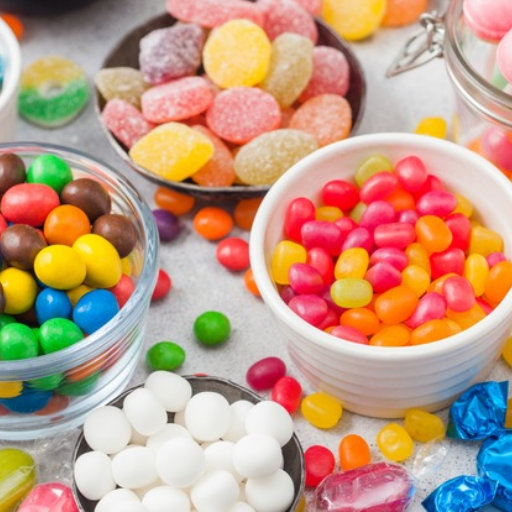
Have you ever come across an ancient candy bar hidden in a drawer or lying at the bottom of your bag and thought, “Is it still edible?” Even though candy is regarded as one of the most enduring treats, the reality is that sweets have a shelf life as well. The phenomenon of chocolate turning a peculiar white color, or gummies becoming so hard they’re beyond recognition—all of them point to the importance of knowing whether your favorite treats have gone bad.
This knowledge can prevent an unpleasant experience or even something worse. This article will take you on a journey through the domain of candy expiration, show you how to spot the signs that your candy might be old, and inform you about the best practices for keeping your sugary delights fresh for a long time. Whether you’re a candy lover or just an occasional consumer, this guide is perfect for you!
Understanding Candy Expiration
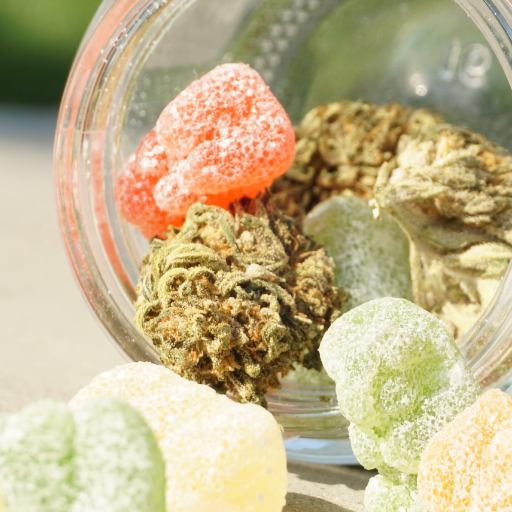
What Happens When Candy Reaches Its Expiry Date?
Candy’s expiry date indicates the time when it is no longer of the best quality or it is not safe to eat. Even though candy does not “expire” in the same way as fresh food, it can still lose its quality over time because of changes in texture, flavor, and appearance. The shelf life of candy is highly influenced by the type of candy and its ingredients, in addition to how it is stored.
For instance, chocolates and milk-based candies can go bad faster than hard candies or gummies, which have a longer shelf life. Moreover, heat, humidity, or direct sunlight can really speed up the process of degradation, causing issues like melting, hardening, or discoloration. Storing your candies properly in a cool, dry place can help maintain their quality and freshness for a longer period.
💡 Good to Know: Expiration or “best by” dates should be followed closely where available since they indicate the specific period of optimal taste and quality. A candy that appears to be fine might still have an off smell, an unusual flavor, or visible mold—all signs that the candy should be thrown away.
Common Misconceptions About Candy Expiration
❌ Myth #1: Candy Becomes Unsafe Immediately After Expiration
In fact, these dates often just suggest the time when the product is at its best quality rather than being safe to eat. Many candies, especially hard candies and those with low moisture content, can remain edible even long after the expiration date, as long as they are kept in a cool and dry environment. However, their quality may change over time.
❌ Myth #2: Candy Without Expiration Date Lasts Forever
While some candies, for example, pure sugar-based treats, have a long lifespan due to their low water content, others like chocolates or candies with nuts and dairy can spoil or go rancid if kept beyond the prescribed time. It is best to judge the candy’s edibility based on sensory cues like smell, taste, and appearance.
❌ Myth #3: Refrigeration Prolongs All Candy Indefinitely
Although cool storage can be beneficial in preserving candies like chocolate by slowing down the melting or blooming processes, it is not a universal method for all types of candies. For example, freezing gummy candies or those with fillings can change their texture and taste. Individual storage needs should be understood to maintain quality and safety.
Why Candy Can Expire
Candy has a shelf life mainly because of the natural decay of its components, which make up its safety and quality. A great deal of candies use sugar and fats, and in some cases soft drinks, all of which have designated lifespans. When these processes occur or are even just considerably close to each other, the candy will taste and even look different depending on the length of time and conditions it went through. An expired candy might taste bad, become hard or sticky, and in some cases develop fungal growth if storage conditions are poor.
The other reason candies have a limited shelf life is the destruction of preservatives and stabilizers. Many candy makers use additives that give their products a fresh taste and long shelf life, but as preservatives and stabilizers break down or spoil, they lose their effect in keeping the product fresh. Chocolate can get fat bloom or sugar bloom, which means its surface gets white or dull due to fat or sugar separating, respectively. Furthermore, certain types of candies containing nuts, oils, or dairy are more susceptible to spoilage because of the short lifespan of these ingredients.
Best Practices for Storing Candy
Ideal Storage Temperatures
60°F – 70°F
Optimal Temperature Range for Candy Storage
(15°C – 21°C)
This temperature range contributes to keeping the flavor, texture, and appearance of the candy intact. Candy stored in a cool environment can prevent melting and becoming too sticky, especially for candies made with chocolate or that are heat-sensitive.
Extreme temperatures can negatively affect candy, whether too hot or too cold. Melting and alteration of shape are some negative effects of high temperatures on candies; this can also happen with sugar, especially when separating. Conversely, freezing or refrigerating candy for a long time can change its texture by making it brittle, or when bringing it back to room temperature, condensation can occur that might lead to spoilage or stickiness.
Packaging Techniques to Preserve Freshness
🎁 Effective Packaging Methods
- Airtight containers: Resealable plastic bags, vacuum-sealed pouches, or containers with tight lids block air contact that could produce drying out or hardening effects.
- Moisture-resistant materials: Using materials highly resistant to moisture and odors helps candy keep its intended flavor and texture over a long period.
- Temperature-resistant packaging: Insulated or foil-lined wrappers provide an added layer of protection against temperature changes for heat-sensitive candies.
- Proper labeling: Labels indicating storage instructions or “use-by” dates allow consumers to maintain ideal conditions after purchase.
Environmental Conditions to Avoid
Signs That Candy Has Gone Bad
Changes in Texture and Consistency
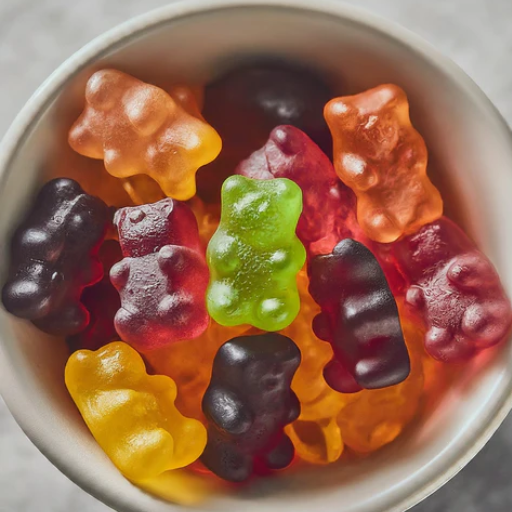
One of the most obvious signs that candy has spoiled is its change in texture and consistency. Hard candies might get sticky or have a grainy surface due to moisture exposure or improper storage. On the other hand, chewy candies such as gummies and marshmallows could undergo quite a process by becoming hardened, losing their stretchability, or even becoming too dry—thus less appetizing.
The reasons for these alterations could be environmental factors like temperature, humidity, or direct air contact. Moisture can change the nature of sugar and other ingredients in candy, giving rise to texture shifts. A good example is chocolate that can undergo “bloom,” a phenomenon in which cocoa butter gets separated and forms a whitish layer on the chocolate. While this shows a change in texture and not spoilage, it can affect the quality of the candy.
✅ Quick Texture Check Checklist
- ☐ Hard candies becoming sticky or grainy
- ☐ Gummies or marshmallows becoming hard or dry
- ☐ Chocolate developing white coating (bloom)
- ☐ Soft candies losing their stretchability
- ☐ Any unusual clumping or separation
Alterations in Flavor and Aroma
Age and exposure to environmental factors may also lead to changes in flavor and aroma, thus impacting the overall quality of the candy. With time, candies gradually lose not only their original taste but also their pleasant aroma—or may even become repulsive-smelling. Very often, this scenario is the result of the chemical composition of ingredients being altered by moisture, heat, or air exposure, which leads to undesirable changes.
Take for instance, if the cocoa butter used in chocolate oxidizes, the resultant odor would be that of rancidity. Hard candies may become sticky and lose some of their taste as a result of absorbing moisture from surroundings. In the case of certain candies, spices or natural extracts that are used might lose their potency over time, thus making the candy less flavorful.
Visual Indicators of Spoilage
The visual and olfactory characteristics of candies will tell their story. The most obvious sign of spoilage is discoloration. Candies that have turned faint, lackluster, or splotchy are most probably those that have undergone chemical changes. These changes can be brought about by heat, light, or air, which are deteriorating factors that gradually destroy quality.
🎨
Discoloration
Fading, dullness, or spotty appearance indicates chemical changes
🔲
Texture Changes
Grayish chocolate, hardened gummies, or excessive stickiness
👃
Unusual Odors
Sour, musty, or any strange smell indicates spoilage or contamination
Health Risks of Consuming Expired Candy
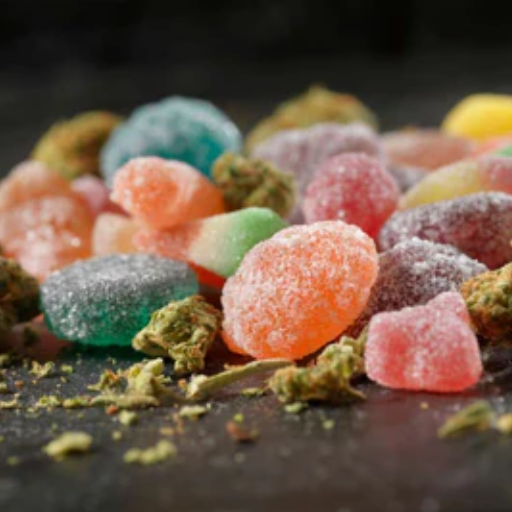
Are Expired Candies Safe to Consume?
In most cases, expired candies are not completely safe to eat due to their composition and quality changing. Candies may go through a series of chemical and physical changes over time that will affect their taste, texture, and appearance. Some ingredients, like milk, nuts, or fruit, may spoil or be over-ripened, thus the candy may become unpalatable or even harmful. Furthermore, there is a possibility that expired candies will have bacterial or mold growth, especially if their packaging is damaged.
While some expired candies might not lead to serious health problems right away, eating them still has associated risks. It is possible that a person could experience stomach discomfort, food poisoning, or even an allergic reaction from stale or degraded candy, especially if the ingredients had their allergens altered chemically over time. Moreover, the decaying process of preservatives and other additives might allow the product to be classified as unfit for human consumption, particularly in cases of improper storage.
⚠️ Safety Recommendation
It is good practice to avoid eating candy that has passed its expiration date just to be on the safe side. Make sure you follow the storage instructions, check the expiration dates, and look for any signs of spoilage on the package before consuming. If you are not sure, it is always better to prioritize health and safety over taking chances with possibly unsafe food products.
Potential Health Risks and Symptoms
The consumption of out-of-date or badly stored candy can be associated with numerous health risks. Bacteria or molds can contaminate the candy, and such contaminated products can definitely lead to foodborne illnesses.
The risk of allergies can be heightened by the degradation or spoilage of ingredients like nuts, dairy, or artificial additives used in making candies. Besides that, eating such candies could also cause allergic reactions or make existing conditions worse.
When to Discard Expired Candy
🗑️ Throw Away Candy Immediately If:
- Visible mold: Any sign of mold growth on the surface
- Unusual odor: Sour, musty, or any off-putting smell
- Color changes: Significant discoloration from the original appearance
- Texture alterations: Grayish chocolate, rock-hard gummies, or excessive stickiness
- Damaged packaging: Compromised or damaged packaging that may have allowed contaminants in
- Poor storage history: Candy stored in high humidity or exposed to extreme conditions
The Role of Manufacturing and Ingredients
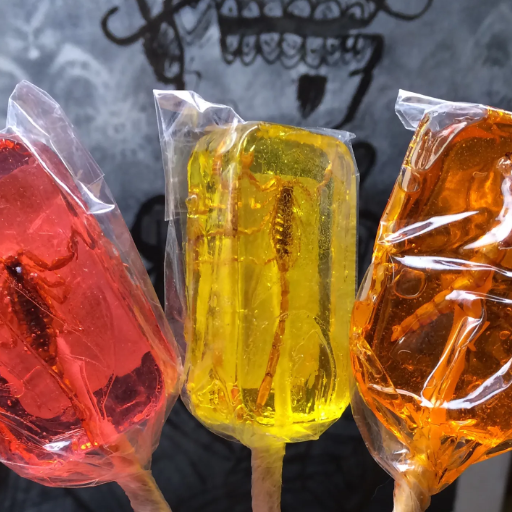
How Preservatives Extend Shelf Life
The use of preservatives is very important in candy’s longer shelf life as they reduce the speed of natural spoilage processes. Each of these processes can occur due to bacteria, oxidation, or moisture loss, and they can all change the candy’s taste, texture, and safety. Due to their impact, the quality of the product is maintained by preservatives, and it is also assured to be both safe and enjoyable for a longer time.
🧪 Antioxidants
Examples include citric acid, which prevents oxidation that can lead to changes in flavor or color and decrease freshness.
🛡️ Antimicrobial Agents
Such as sorbic acid, these compounds stop the growth of bacteria, molds, and yeasts that could spoil candy or pose health risks.
Nevertheless, though preservatives are efficient, candy should be stored properly to reap the full shelf-life benefits. The ideal location would be in a place that is dry, cool, and darkened while packaged very tightly to prevent dampness and heat which can destroy quality. Preservatives may make candy last longer, but it is still wise to look for spoilage or expiration signs before eating as environmental conditions and packaging will affect its life span.
Ingredient Quality and Its Impact on Longevity
The ingredient quality is one of the most important factors in determining the shelf life of candy. Quality ingredients are less prone to deterioration and usually have less contamination or spoilage due to better handling and care. For example, chocolates with a high amount of pure cocoa and a very low level of preservatives spoil faster, while those with the addition of stable fats and other additives may last longer. Therefore, having the finest and freshest raw materials is the starting point in prolonging product longevity.
Understanding Expiration Dates on Candy Packages
Candy Shelf Life Reference Chart
Frequently Asked Questions
Q: Does candy expire and how long does candy last?
Yes, candy can expire, but how long candy lasts depends on the type. Mostly sugar candies tend to last so long that unopened candy and certain hard candies like Jolly Ranchers or lollipops can stay fresh for months if stored properly—often six to nine months up to two years. Chocolates, especially milk and white chocolates, have a shorter shelf life and may be best within ten months to a year.
Q: Is unopened candy still safe to eat after the printed date?
Unopened candy is generally safe to eat past the date on the package because high sugar content and preservatives slow spoilage. However, taste and texture can change, and some candies may go stale or develop a white coating from sugar or fat migration; unopened chocolate with dairy content should be checked sooner.
Q: How does the type of candy affect how long it lasts?
The type of candy affects longevity: pure sugar hard candies and lollipops can last for years in a pantry when sealed; soft candies and candy corn are more prone to changes and may go stale or stick together. Dark chocolate and candies with less dairy content tend to last longer than milk chocolate and white chocolate.
Q: What happens to candy when it ages — will it go bad or just lose quality?
Most candy expires by losing quality rather than becoming dangerous. You’ll notice texture changes, loss of vibrant colors, or a white coating on chocolates; soft candies can harden or become sticky. Unless stored improperly or contaminated, they are generally safe, but if they smell off, show mold, or contain dairy and look separated, don’t eat.
Q: Can Halloween candy still be safe to eat after weeks or months?
Halloween candy, especially unopened and individually wrapped pieces, is generally okay to eat weeks or months later if kept sealed and dry. Bags of candy exposed to heat or moisture or leftover candy opened and handled by many people may degrade faster. For the best taste and texture, sort and consume the freshest candy first.
Q: Do chocolates expire faster than other candies?
Yes, chocolates have a shorter shelf life than many sugar-based candies because of dairy content and fat that can go rancid. Dark chocolate lasts longer than milk and white chocolates; milk and white chocolates often are best within six to nine months to ten months, while dark chocolate and pure sugar candies can last up to two years if stored properly.
Q: Are sugar-free candies better for long-term storage?
Sugar-free candies can last longer because they often use artificial sweeteners and preservatives, but some sugar-free products can crystallize or develop texture changes. They may be less prone to microbial growth but still benefit from proper storage to stay fresh as long as possible.
Q: How should I store candy to keep it fresh and ensure candies last?
Store candy in a cool, dry place away from sunlight and heat; sealed containers or original unopened packaging help. Avoid storing near strong odors or in the fridge, where moisture can cause white coating or sugar bloom. Ensuring that candy stays fresh also involves keeping bags of candy sealed and avoiding temperature swings that make chocolates bloom or soft candies stick together.
Q: When should I throw candy away — are there signs it should never be eaten?
Throw candy away if it develops mold, a sour or rancid smell, visible contamination, or an unusual texture that suggests spoilage. While many candies go stale or change taste and texture, those stored improperly or containing dairy that smells off should never be eaten. If in doubt, consult the packaging, the candy distributor guidance, or err on the side of safety.
References
-
Tandfonline: Moisture and Shelf Life in Sugar Confections
This study examines the impact of water content on the texture and shelf life of sugar confections, providing insights into factors affecting candy quality over time. -
Academia.edu: Development and Shelf-Life Prediction of Pineapple Preserve and Candy
This research focuses on the shelf-life prediction of pineapple-based candy, offering valuable data on factors influencing candy preservation. -
Academia.edu: Process Optimization for the Development of Papaya Candy and Its Shelf-Life Evaluation
This paper discusses the optimization of ingredients and processes in papaya candy production, including an evaluation of its shelf life. - Leading Gummy Machines Manufacturer in China offering top-quality products

Shanghai Fude Machinery
Shanghai Fude Machinery Manufacturing Co., Ltd is a leading manufacturer of top-notch gummy and cookie making machines with more than 15 years’ experience in the industry. We provide creative equipment that ensures accuracy and speed while sharing intelligence with food producers. Shanghai Fude remains to be one of the most reliable companies for food machinery because of its dedication to perfection.