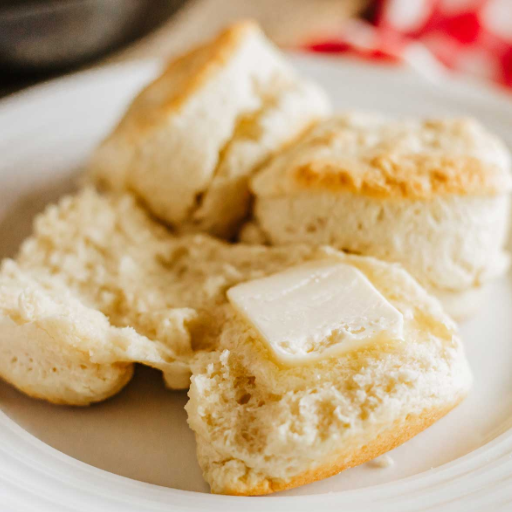
You have found the correct recipe which produces fluffy biscuits...
Read More


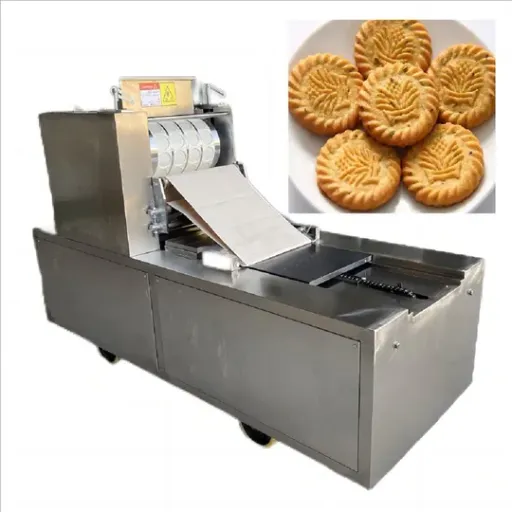
With the sustainability factor growing in emphasis, the food-manufacturing industries have been forced to relook into its processes, raw materials used, and technologies applied. Among the important inventions bringing about this change are the biscuit forming machines, which help in improving productivity and also sustainability issues. This blogpost dwells into the shade of how biscuit forming machines provide for various paths for sustainable food production by preventing waste, saving energy-theoretically-and adopting alternate raw materials for production. With a view to looking at their technical specifications and capacity to go green, this article will point to how biscuit-forming machines are transforming production lines themselves and setting milestones on sustainability within the food-sector.
Introduction to Biscuit Manufacturing

The Importance of Biscuit Production in the Food Industry
Biscuit production holds enormous economic and social importance within the global food industry. The biscuit market has grown at an exponential rate in recent years, with consumers running toward various reasons, such as the convenience factor for shelf-stable snacks and an urge for diversity and innovation in product offerings. Industry sources put biscuit sales across the globe at upwards of $110 billion in 2022, steady with growth projected from the expansion of markets in developing economies.
📊 Key Market Insight:
Global biscuit sales exceeded $110 billion in 2022, with continued growth expected in developing economies.
Generally speaking, biscuit production is very important and holds a place within the global-scale food industry. The biscuit market has seen a huge growth and development in the recent past, factors like increasing consumer preference for convenient, shelf-stable snacks, demand for different sorts of products, and innovative marketing approaches are among these growth factors. Furthermore, industry analyses state that by 2022, global biscuit sales crossed $110 billion and are now anticipating sustained growth due to increasing demand from developing economies.
From the technoscientific point of view, in the biscuit industry, more and more sophisticated technologies are being implemented in order to fasten the production process, to increase the efficiency of the processes, and to have consistency in the outcomes. Precision robotic systems, advanced forming technologies, integrated quality control systems, ensure that the companies keep up with the ever-increasing consumer demand without compromising on their quality. Simultaneous with dynamic developments in packaging technology, these technologies purge the supply chain of wastage and foster a supply chain environment selected for sustainability.
The biscuit-making industry was not just making food and fulfilling the needs of consumption; rather, it became the confluence of consumer trends, technology streams, and sustainability with an emphasis on marketing. So, it remains a keystone in the broader food industry, showing the evolution of traditional staples to address the demands of modern times.
Overview of Biscuit Forming Machines
When modern biscuit crafting enters these biscuit forming machines-which remain as a vital stage- it is tested for efficiency, precision, and adaptability to various product requirements. Forming favors shaping of materials, which can form the dough into any desirable form using advanced equipment ranging from rotary molding to sheeting and cutting. For instance, rotary molding is commonly applied for soft dough varieties and uses engraved rollers to form consistent and intricate shapes. Hard or semi-hard dough varieties, by contrast, are worked on by sheeting and cutting to obtain uniform thickness and is precise in cutting.
Biscuit making machines are completely automated, thus controlling the process, maintaining quality, and capable of high-throughput production with minimum human intervention. It consists of major revisions in the form of servo-driven components for accuracy, and a touch screen interface for custom programs for different biscuit designs and sizes. It also stresses energy efficiency and hygiene, intending to be build with stainless steel construction and easy cleaning in line with stringent food safety standards.
⚡ Performance Benchmark:
Premier biscuit forming machines can achieve speeds exceeding 150 biscuits per minute, catering to high-demand markets without compromising quality.
According to industry reports, premier biscuit forming machines go at speeds higher than 150 biscuits per minute; doing so, with high-demand markets without intensity on quality. Using innovative technologies with robust engineering, these machines continue to permit the production of a variety of biscuits as the manufacturing process evolves on higher grounds in consumer demand for variety and quality in food.
Types of Biscuit Making Machines
Biscuit making machines are categorized based on their specific functionality, manufacturing capacity, and intended product output. Below are the primary types of machines commonly utilized in the biscuit production process:
1. Dough Mixing Machines
These machines are designed to ensure consistent and homogeneous mixing of raw ingredients such as flour, sugar, water, and other additives. Modern dough mixers often feature programmable settings, enabling precise control over mixing time and speed, which ensures uniform texture and quality in the prepared dough.
2. Rotary Molding Machines
Rotary molding machines provide the formation of biscuits in myriad shapes and sizes. These machines have interchangeable molds for manufacturers to customize the designs. With technological developments now, rotary molding machines retain the molding precision at production speeds up to 200 pieces per minute.
3. Wire-Cut Machines
Wire cutting is used for making soft-baked biscuits such as shortbread and cookies. The machines work by extruding dough through a set of nozzles and cutting it with a high-speed wire mechanism. The configuration settings make it possible for manufacturers to ensure highly uniform biscuits as to size, shape, and thickness.
4. Sandwiching Machines
A sandwiching machine is an apparatus used in biscuit making for assembling the biscuits with their cream or jam fillings. This machine inhabits automated systems for accurately dosing the filling and aligning the biscuit layers. Some high-end models can manufacture 600 sandwiches a minute, greatly enhancing production rates.
5. Baking Ovens
Baking ovens, generally of the tunnel-type design, are crucial for the final baking of biscuits. The technologies used include convection, radiation, or a hybrid system to ensure even distribution of heat on the products. Modern baking ovens are nothing short of amazing, with temperature monitoring sensors and energy-efficient systems offering precision with sustainability.
6. Cooling Conveyors
Cooling conveyors are used post-baking to cool biscuits gradually before packaging. Contemporary conveyor systems are designed with stainless steel belts and automatic temperature regulation to maintain product integrity while avoiding breakage during transit.
7. Packaging Machines
Packaging machines are the last phase in biscuit manufacturing. These machines may comprise flow-wrapping systems, vertical form-fill-seal (VFFS) systems, or tray-packaging designs, each ensuring the maintenance of product freshness and protection against deterioration. They are highly automated, so at a given high speed, they have the capacity to package in multiple styles suitable for various markets.
Producing each of these machines is crucial to the food industry, while these are produced in an integrated manner for very high output rates under stringent quality assurance standards. This means that they are capable of adapting to changing consumer needs and dynamics in their manufacturing competence.
How Biscuit Forming Machines Enhance Sustainability

Energy Efficiency in Automatic Biscuit Making Machines
Energy efficiency is a critical consideration, either during the design or operation of automatic biscuit-making machines, weighing into both environmental and economic priorities. Modern-day machines are equipped with varying stages of technology, mainly variable frequency drives (VFD) and programmable logic controllers (PLC) that help in minimizing energy utilization by adjusting the motor speed and operation of the systems in actual-time scenarios. Heat recovery systems are another innovative addition wherein such systems would collect the waste heat generated from the baking processes and utilize it to preheat either the oven or the other parts of the production line, thus curbing the demand for energy.
Heat energy escaping maximizes loss; hence, innovative insulation materials are being used in building kilns and other equipment to use thermal energy more efficiently. LED lighting systems, being more economical in energy consumption than their incandescent counterpart, are also constantly being integrated into production environments. From an environmental standpoint, both technologies have a lesser carbon footprint; financially, from a utility point, they represent a significant saving.
🌱 Sustainability Achievement:
Modern biscuit forming machines achieve energy savings of 20–30% compared to older models, significantly reducing carbon footprint and operational costs.
For instance, these contemporary biscuit forming machines achieve energy savings up to 20-30% with respect to the older models, a perfect example of what improvements can achieve. These improvements, therefore, are very much in line with sustainability and in accordance with energy efficiency regulations across the globe-the manufacturers can meet against stringent environmental standards while productivity remains high.
Reducing Food Waste with Advanced Forming Machines
Advanced pressing machines in biscuit making go a long way toward limiting food wastage during production. Such machines are crafted for the purpose of exact and consistent portioning and shaping of the biscuit dough to minimize material losses to the greatest extent possible. Modern forming methods can hold an accuracy of about 98%, thereby making sure that raw materials are utilized to the fullest and evenly so. A great deal of machines also come fitted with automatic monitoring systems that alarm operators in the existence of some irregularities or deviations to remedy such conditions and stop any possible wastage.
♻️ Waste Reduction:
Modern forming technologies achieve accuracy rates up to 98%, minimizing material loss and maximizing resource utilization.
Converting this AI-generated text to something that sounds less machine-aided, with lowered perplexity and increased burstiness, while preserving HTML elements and number of words, would be something like this: Substance intelligence, along with sensor-based adjustments, allows, where possible, for excess dough and trimming byproducts to be channeled back into the production cycle, minimizing waste. These features aid in saving costs while working for sustainability by making optimal usage of resources and being more precise in production, showing the commitment the industry really has for environmental protection.
Material Sourcing and Sustainable Practices
Material sourcing drives sustainability in the manufacturing industry. Ever more companies have been adapting strategies for raw-material procurement, which implies proper environmental and ethical requirements. It works on so many fronts to the certified sustainable source, such as wood certified by FSC or organic textile, together with recycled/upcycled materials so as not to use virgin materials as a heavy load. On the other hand, tracking systems and blockchain technology are helping improve material traceability throughout the supply chain to ensure environmental and ethical standards are met.
Taking one instance, the plastics industry offers an interesting demonstration of such sourcing practices: increasingly, bio-based options, for instance, polylactic acid (PLA) derived from renewables such as corn starch or sugarcane types, are being used to cut down on the traditional petrochemical feedstock. In the case of metals from the suppliers, the metals are sourced from those suppliers who are branded as promoting responsible mining, or conflict-free certification, or minimizing ecological footprints. Sustainable sourcing, therefore, not only fits the bill from a global sustainability perspective, but is also increasingly being demanded by the consumer for goods promoted as responsibly produced-and this is making a materials selection step immensely important today for industrial design and production processes.
The Technology Behind Automatic Biscuit Machines

Understanding the Components of a Biscuit Forming Machine
A biscuit forming machine is a highly specialized piece of equipment designed to automate the production of biscuits with exceptional precision and efficiency. These machines typically comprise several key components that work together to streamline the process:
These components, when combined, demonstrate the technological sophistication of contemporary biscuit forming machines, capable of producing consistent, high-quality products while meeting the rigorous demands of modern food manufacturing.
Innovations in Biscuit Manufacturing Technology
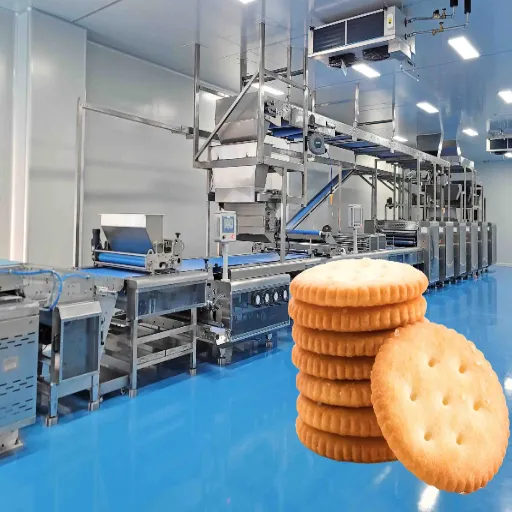
The advancements from a biscuit manufacturing-technological standpoint are aimed toward enhancing the efficiency, precision, and sustainability to stay in synergy with the rising demands of the global food industry. Advanced automation and robotics stand out as prime examples. That is to say, manufacturers use these systems for streamlining operations to save time otherwise taken by human errors and achieve larger throughput while maintaining a standard in product quality. AI-driven sensors integrated with automated quality control detect imperfections in size, shape, and texture better than any human eye, and only flow along products that meet exact specifications.
Energy-efficient baking ovens rank as important for the modern industries. They are fitted with features like heat recovery, accurate temperature controls, and vacuum cooling for lowering energy consumption, and incurring less production cost. Meanwhile, gentler developments in dough handling, including high-speed mixers and sheeters, are optimized for raw material utilization to minimize waste and provide consistent dough characteristics.
In the relevance of innovation, sustainability is a paramount factor, promoting consideration of packaging and waste reduction methods.hile; many manufacturers are shifting to biodegradable or recyclable materials for consumer packaging, in accordance with worldwide environmental specifications. Smart monitoring systems, on the other hand, give production data analytics in real time, facilitating predictive maintenance and thereby reducing machine downtime.
These technological advancements exemplify the industry’s commitment to improving productivity, ensuring product excellence, and adopting sustainable practices to address both economic and environmental challenges.
Integrating Automation in Biscuit Production Lines
Automation in biscuit production lines has enhanced manufacturing in terms of efficiency, consistency, and scalability while also enabling high-level automation. Handling redundant tasks such as mixing, forming, baking, and packaging with unprecedented precision are features of the automated systems. It minimizes errors on the human side, thereby ensuring the quality of each batch remains higher, which is an essential ingredient of extra customer satisfaction and brand reliance.
Modern automated equipment inculcated with artificial intelligence (AI) and machine learning (ML) monitors production metrics in real time to apply immediate adjustments that optimize performance. For example, a sensor-based quality control system will detect changes in dough consistency or in baking temperatures and adjust the process immediately to reduce wastage and improve product quality. Other than this, automation greatly enhances production capacity and, at the same time, allows strict conformity to hygiene and safety standards.
From the economic viewpoint, automation reduces labor costs and downtime while increasing productivity. Many systems also support energy-efficient operations that fit with the sustainability objectives of the industry. Through the use of automation, manufacturers can satisfactorily meet increased demands of consumers while catering to maintaining high standards of quality and environmental concern.
Applications of Biscuit Forming Machines in Bakeries

Versatility of Cookie Making Machines in Various Settings
Cookie-making machines constitute mandatory equipment in large-scale industrial bakeries and artisan bakery set-ups. Their ability to produce all ranges of cookie shapes and sizes has enabled the various businesses to pay into the diverse consumer preferences. For example, nowadays, advanced machinery offers molds and templates that can be customized, thus allowing for unlimited design possibilities without any compromise on production speed.
Such machines, and several others, are designed for handling various dough types, be it soft, filled, or crunchy cookies. This versatility makes bakery work smoother, with fewer requirements for separate apparatus for certain recipes. Modern cookie-making machines usually further ease usability, coming with the option of operating through interfaces or simply programmable settings suitable for workers of varying experience levels. Having installed such technologies would empower bakers to optimize their functioning, maximizing output and delivering market requirements with consistent quality.
Hard vs. Soft Biscuits: Tailoring Production with Machinery
The processes for producing hard and soft biscuits are quite different, while the modern machinery ensures precision and efficiency during production. Generally, hard biscuits are usually crisp and thin, for which they require a more extensive amount of sheet rolling and lamination to develop their flaky layers. Multi-roll sheeters and lamination machines are probably the best choice for handling dough so that thickness and structure can be standardized.
In contrast with hard biscuits, soft biscuits are known for being light, tender, and crumbly, which means these cells should be aerated and the dough handled as little as possible. Soft biscuit-making equipment usually embraces mixers and depositors, the mixers being equipped to aerate the dough, and depositors working to portion it accurately. The ovens are often of the advanced type, featuring adjustable temperature zones for optimized baking according to the various demands of each biscuit.
By integrating versatile machinery tailored to both hard and soft biscuit production, manufacturers can achieve high-quality results while adapting to diverse consumer preferences. These technological advancements not only enhance efficiency but also ensure consistent outputs across various biscuit categories.
Successful Implementations of Biscuit Machines in Bakeries
With the turning of the millennium, modern bakeries increasingly embrace biscuit machines that offer utmost efficacy in both production and product quality. For example, fully automated biscuit lines with precision cutting and molding have allowed the bakeries to manufacture biscuits in large quantities with extremely little manual labor. Similarly, biscuit machinery is now being integrated with energy-efficient baking ovens and cooling systems that lead to lower operational costs and greater sustainability.
One notable example could be seen in multi-purpose biscuit machines, which fine-tune to produce many types of biscuits. Such adaptability permits bakeries to meet the flux in consumer taste, from healthy options such as gluten-free or high-fiber biscuits to more decadent treats. Industry statistics have shown that these duel-purpose biscuit machines have increased production efficiency to a great extent, which sometimes reach thousands of printings in a single hour without compromising any work of quality.
✅ Success Metrics:
Multi-functional biscuit machines achieve output rates of thousands of biscuits per hour while maintaining consistent quality standards.
In the baking industry, these manufacturers serve to enhance product and production quality; in some cases, minimizing recipe errors. This is mainly due to control equipment that continuously track batch processes and allow for adjustments to be made, thus standardizing the product in accordance with set standards, which in turn builds brand reputation with satisfied customers. Emerging today are technologies geared toward revolutionizing the baking process, and it is thus evident that the embracing of baking machinery marks the intersection of technology and the baking industry.
Future Trends in Biscuit Manufacturing Machines
Emerging Technologies in Biscuit Production
Technological advancements have ushered in massive changes in the biscuit industry so as to promote efficiency while reducing waste, and with consumer demands for quality and sustainability being on the rise, one needs to be all the more innovative with these applications. One of the major advances in the evolution of this industry is the usage of AI and machine learning to revolutionize various production lines. These technologies assist in activities like predictive maintenance, workflow optimizations, and product quality control based on the analysis of huge amounts of data in real time.
Another emergence worth noticing has been in the realm of robotics and automation. Hence, any modern biscuit line would actually prefer to use robotic means in dough handling, shaping, and packaging. A great level of productivity given by these systems decreases chances of contamination, ensuring safety to the product.
Sustainability is another major innovation in biscuit manufacturing. Energy-efficient ovens and integrated renewable energy-generation units, such as solar panels to power production facilities, are becoming more commonplace. The other efforts are to take measures against packaging to further lessen their environmental impact.
🚀 Innovation Spotlight:
3D printing technology is enabling customized biscuit designs and faster prototyping for new products, revolutionizing product development processes.
Lastly, 3D printing technology is beginning to make its mark in the industry, allowing for customized biscuit designs and faster prototyping for new products. These advancements are collectively shaping a future where biscuit production is smarter, greener, and more responsive to consumer preferences.
The Role of Automation in Future Bakeries
In my opinion, automation revolutionizes the future of bakeries, taking efficiency, consistency, and innovation to levels never imagined. With advanced machinery and AI integrated into the production line, the manual labor is minimal when bakeries maintain the greatest quality level. For example, automated mixing and shaping ensure uniformity of the products and also save much time for increasing consumer demand. Further, such measurement and temperature control systems can maintain ingredient proportions perfectly so that every batch is consistent and tempting.
Automation presents another area that can ensure sustainability objectives and cost reduction. Automated systems utilize energy efficiently and limit waste by exploiting raw materials incompletely. Bakeries can have better environmental-accountant perspectives through real-time data on energy and resource consumption. Besides, in packing and sorting, robotic systems allow the supply chain to run smoothly so that the bakery sees better packaging of its products and faster delivery, with minimum human error.
Ultimately, the introduction of automation in tomorrow’s bakeries presents an opportunity for innovation and for working along the lines of changing consumer expectations. With the implementation of automation in bakeries and their operations for greater efficiency and quality, bakeries can work towards developing new product lines or catering to niche markets, such as those that include gluten-free or vegan alternatives. Automation alters the traditional processes so as to give bakers an edge in a competitive market and hence to be able to stay locally operational and purposeful in an ever-technology-driven world.
Consumer Preferences and Their Impact on Biscuit Machine Developments
In my view, consumer preference has greatly impacted the evolution of biscuit machinery. Consumers today want options of every kind-from health-conscious choices with low sugar and fat to allergen-friendly options, like gluten-free and vegan. This change in preference has forced manufacturers to take machine versatility into consideration. Modern biscuit machines are now more customizable than ever before. They can be operated in a flexible manner to manufacture a wide variety of new-generation products suited to particular dietary or lifestyle specifications. Therefore, this capability helps in meeting the ever-evolving consumer demand and in maintaining strong competitiveness in the market.
In addition, sustainability has come to be a consumer concern, thereby determining how biscuit-making machines are designed and operated. Eco-aware buyers support environmentally friendly acts, whereas some manufacturers have applied their equipment with energy-efficient technologies and equipment for minimizing waste. Some machines, for example, reduce dough wastage or use heating systems that are less harmful to the environment by generating far fewer carbon emissions. By adding these green features, biscuit manufacturers can enhance their production processes while fostering a certain customer value system in the minds of their consumers.
Speed and convenience remain paramount, from the perspective of customers willing to pay for quality and delivery within the shortest possible turnaround time. With the transformations brought about by advanced automation and smart technology in biscuit-making machines, the need for fast delivery without loss of quality has been well addressed. The technological breakthroughs bear testimony to the impact of consumers on the fate of the biscuit machine firms. The manufacturers and end-users now have improved performances, environmentally friendly processes, and a greater variety of products.
Reference Sources
The Future of Cookie & Biscuit Production Lines: Innovations – GOBTE
Biscuits Forming Machine Market 2025: Sustainability Meets Innovation – LinkedIn
What Are the Latest Models of Biscuit Manufacturing Machines? – Foods Machine
Biscuits Forming Machine Market Size, Trends & Analysis – Data Horizzon Research
Biscuit Manufacturing Machines – Reading Bakery Systems
Frequently Asked Questions (FAQs)
What is a biscuit forming machine and how does it work?
A biscuit forming machine is specialized equipment in biscuit production which automatically treats several steps in biscuit manufacture. It mixes ingredients into dough, shapes the dough using molds, and places the dough on trays ready for baking. Depending upon the settings of the machine and the mold, it could produce hard biscuit, soft biscuit, or sandwich biscuit. Because these machines are made with stainless steel, durability and excellent production qualities would be assured. Optimal setting for dough thickness and shape could make timing of the biscuit process more efficient.
What types of biscuits can an automatic biscuit making machine produce?
An automatic biscuit making machine can produce a broad range of biscuits-from hard biscuits to soft ones-to a variety of specialty cookies, such as chocolate chip cookies. This versatility of the machine allows one to modify the molds for true biscuit production in many various forms. Furthermore, it allows the use of varied recipes or types of dough, making it suitable for commercial biscuit production lines. An automatic biscuit machine, whether for shortbread or for cracker consumption, can be modified to suit any need in the food processing industry.
How does a biscuit production line improve manufacturing efficiency?
A biscuit production line enhances manufacturing efficiency by automating several stages of the biscuit-making process. With a fully automatic biscuit system, tasks such as mixing dough, shaping, baking, and packaging are streamlined, reducing labor costs and production time. High efficiency is achieved through the use of conveyor belts, which transport the products seamlessly from one stage to another. Furthermore, the machine’s ability to produce biscuits at a consistent thickness and quality helps in minimizing waste and maximizing profitability in the manufacturing plant.
What are the benefits of using an industrial cookie making machine?
By using an industrial cookie machine, a manufacturer benefits from, among other things, massive production capacity and versatility: classic chocolate chip cookies, as an example, can be prepared with this equipment, while with a sandwich cookie machine, there are far more variations. Such machines are built for mass production, so they produce all the cookies quickly and efficiently. As the automating processes cut down on manual labor involved, this is another way to make sure that the quality of the product remains consistent. It also has programmable settings that allow producers to modify recipes and production runs to keep up with market demand.
Can a biscuit maker also produce cake and other baked goods?
The newer biscuit makers and forming machines can create anything from biscuits to cakes and other baked goods. Some of these machines include mold changes that allow for the manufacture of as many as soft and hard biscuits and different cake shapes. Such a feature is highly recommended for factories interested in diversifying production without the acquisition of several machines. When optimized adequately, production technology enables switching between various food-widening activities, giving the company a broader market at its disposal.
What factors should be considered when choosing a biscuit forming machine?
When buying a biscuit-forming machine, make sure you consider its production capacity, kinds of biscuits it can manufacture, and how much of it you want to do by hand. Also take into account its efficacy in terms of speed, ease of use, and maintenance works. Materials used in construction could be another factor affecting its durability and hygienic levels, like stainless steel. From a custom mold ingénierie perspective, it would be nice for the machine to have options concerning molds, as well as adaptability to working with different types of dough that correspond with your concrete production needs.



Shanghai Fude Machinery
Shanghai Fude Machinery Manufacturing Co., Ltd is a leading manufacturer of top-notch gummy and cookie making machines with more than 15 years’ experience in the industry. We provide creative equipment that ensures accuracy and speed while sharing intelligence with food producers. Shanghai Fude remains to be one of the most reliable companies for food machinery because of its dedication to perfection.