The combination of rich chocolate and crispy biscuits creates a...
Read More


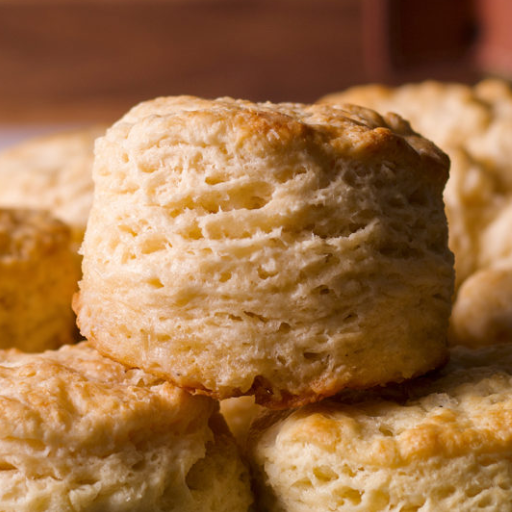
There is nothing that can be compared with the warm and buttery scent of fresh biscuits coming from your kitchen. Regardless of whether you are having them with a big meal, putting jam on top for breakfast or just enjoying one of them solo, a well-made biscuit has the quality of being a comfort food. If you have been on the lookout for the perfect biscuit recipe that is both failproof and full of flavor, you are at the right spot. This simple recipe for fluffy buttermilk biscuits promises to deliver layers of golden, soft perfection every single time.
The Allure of Homemade Flaky Buttermilk Biscuits
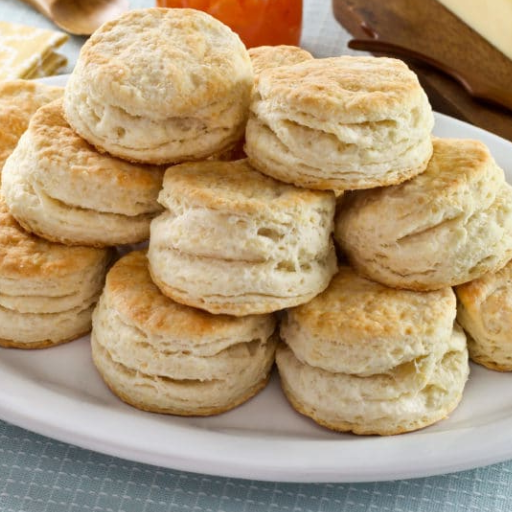
Introduction to Flaky Buttermilk Biscuits
The flaky buttermilk biscuits are the most common food of comfort baking. The biscuits, whose texture is made of layers, melt in your mouth because of the butter used. The ascribed dough that gets its flakiness from the method of folding dough and then incorporating cold ingredients such as butter which creates steam pockets in the baking process. Only a few basic ingredients—flour, buttermilk, butter, and leavening agents—are enough for making biscuits which can quickly change into a pleasant addition to any meal.
One of the keys to perfect biscuits is the very gentle handling of the dough. If the dough is worked too much, tough biscuits will be the result, thus mixing until just combined and rolling out lightly are crucial steps. Cold fats and the folding process help to build the flaky layers and the result is light and airy with every bite. One of the factors that will ensure perfect biscuits is the temperature of the oven which allows the biscuits to rise uniformly and thus get the golden, crunchy crust while the inside remains soft.
The versatile biscuits can be eaten at breakfast, with jams, butter, or honey, and whole hearty meals like stews or roasted dishes. This simple recipe can be so much improved to make you a good baker and feature the herbs, cheeses, or spices to suit your taste as the only limit. The flaky buttermilk biscuits are a true representation of the comforting joy of homemade baking.
The Versatility of Buttermilk in Baking
Buttermilk provides bakers with an exceptional ingredient that enables multiple baking applications. Its unique ability to enhance both flavor and texture makes it the most desired ingredient to work with. The baked goods develop lightness because their natural acidic content reacts with baking soda and baking powder present in the recipes. The process creates softer and fluffier pastries and cakes and bread by softening gluten in flour.
💡 Buttermilk Benefits
- Creates lighter, fluffier baked goods through acid-leavening interaction
- Softens gluten for more tender textures
- Adds tangy flavor that complements both sweet and savory recipes
- Replaces heavy cream for healthier, delicate results
- Extends shelf life by inhibiting bacterial growth
- Inexpensive and widely available
Essential Ingredients for Flaky Buttermilk Biscuits
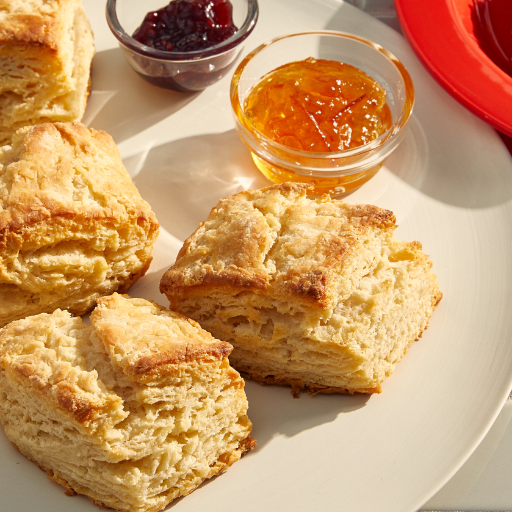
Choosing the Right Flour
In the process of selecting the best flour for flaky buttermilk biscuits, it is vital to pay attention to the protein content of the flour, as that is the main factor that determines the quality of your baked goods. The ideal protein content for biscuit making should stay below 10 percent because this level produces a crumb texture that remains soft and tender. All-purpose flour serves as a standard choice because it provides an appropriate protein balance that enables bakers to create biscuits with a fluffy texture and a stable structure.
| Flour Type | Characteristics | Best For |
|---|---|---|
| All-Purpose Flour | Balanced protein level, versatile | Light, fluffy biscuits with good structure |
| Bleached Flour | Slightly acidic, softer texture | Extra-tender biscuits |
| Unbleached Flour | Natural processing, strong foundation | Organic preference with good texture |
| Cake Flour | Lower protein, very fine texture | Ultra-tender, delicate crumb |
Pro Tip: Sifting your flour before adding it to your recipe increases air content, removes clumps, and creates a lighter dough for maximum flakiness.
The Function of Baking Powder and Baking Soda
Baking powder and baking soda function as essential leavening agents which bakers need to create their baked goods. The rising of baked goods occurs through their use which also creates the light and soft texture needed for proper baking. Both ingredients function identically because they produce carbon dioxide which creates air pockets inside the dough or batter.
| Leavening Agent | How It Works | When To Use |
|---|---|---|
| Baking Soda | Requires acidic ingredient (buttermilk, yogurt) to activate; reacts instantly | Recipes with acidic ingredients; bake immediately after mixing |
| Baking Powder | Contains both base and acid; double-acting (reacts when wet and when heated) | Recipes without acidic ingredients; allows prep flexibility |
Importance of Cold Butter and Cold Buttermilk
The important baking recipes require cold butter and cold buttermilk which people typically store in their refrigerator. The preferred baking applications of these ingredients include pastry baking and biscuit baking and scone baking. The cold temperature of butter and buttermilk will create the desired texture because it prevents butter from melting during production. The dough or batter will melt its butter when the oven reaches high temperatures because the steam from the melted butter or fat will create air pockets which result in a flaky and tender final product.
⚠️ Critical Temperature Rule
Keep butter and buttermilk as cold as possible throughout the process. Cold ingredients prevent premature melting and ensure proper steam pocket formation during baking, resulting in maximum flakiness and tenderness.
Step-by-Step Guide to Making Flaky Buttermilk Biscuits
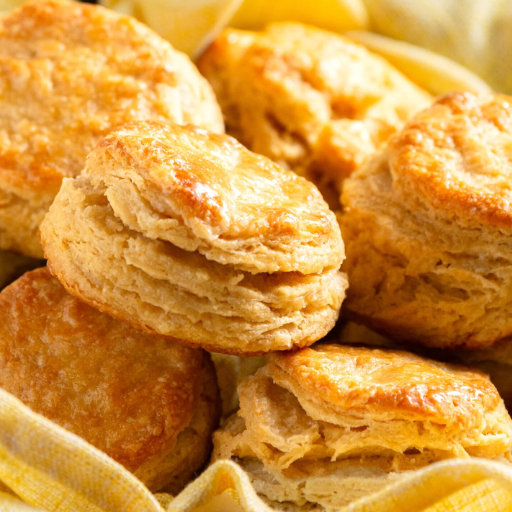
Preparing the Dough
Step 1: Measure and Combine Dry Ingredients
The first thing to do is to measure the right amounts of flour, baking powder, baking soda, sugar, and salt. The dry ingredients need to be added to a large mixing bowl because this container allows for complete mixing of all components. The process of complete mixing will create dough that maintains consistent quality throughout its entire baking process which is known as even baking.
Step 2: Cut in the Cold Butter
Put cold butter that is cut into small cubes into the mixture of dry ingredients. A pastry cutter, fork or your fingers can be used to work the butter into the flour until the mixture becomes like coarse crumbs. The step is very important because the small butter pieces will make steam during baking and thus the flaky texture is produced. The process needs precise handling because you should keep the butter at its original temperature.
Step 3: Add Buttermilk Gradually
The process requires you to pour buttermilk into the mixture during which you must stir with a spatula or spoon until the dough reaches its first stage of development. The overmixing process needs to be avoided because the dough requires a shaggy texture to create light and tender biscuit dough. The mixing process requires you to stop when all visible dull flour has disappeared from the dough even though certain areas still feel rough.
Techniques for Handling Dough
The proper processing of dough will determine the final texture and structure of baked goods. The main requirement for handling dough is to use gentle methods because excessive gluten development will result in a tough final product. The recipe only permits bread-making to proceed with specific instructions on dough handling which requires gentle treatment of the dough.
🔑 Key Handling Techniques
- Use Light Hands: Minimal handling prevents overdevelopment of gluten
- Flour Sparingly: Too much flour changes moisture balance
- Use a Bench Scraper: Helps handle sticky dough without excessive manipulation
- Apply Even Pressure: When rolling or shaping, maintain consistency
- Chill the Dough: Refrigeration solidifies fats and relaxes gluten
Using a Biscuit Cutter for Perfect Shapes
The biscuit cutter method stands as the best way to create uniform biscuit shapes which keep their original flakiness. The required thickness for your dough should be rolled out because this will establish the final height of your biscuits. The sharp biscuit cutter needs to be used because users must press it down into the dough without twisting. The twisting motion will create sealed edges which prevent biscuits from rising properly during the baking process.
Biscuit Placement Tip: Place the biscuits right next to each other on the baking sheet. This reduces spreading and promotes even rising, resulting in soft, tender edges. Space them apart for crispier edges.
Baking Tips for Perfect Biscuits
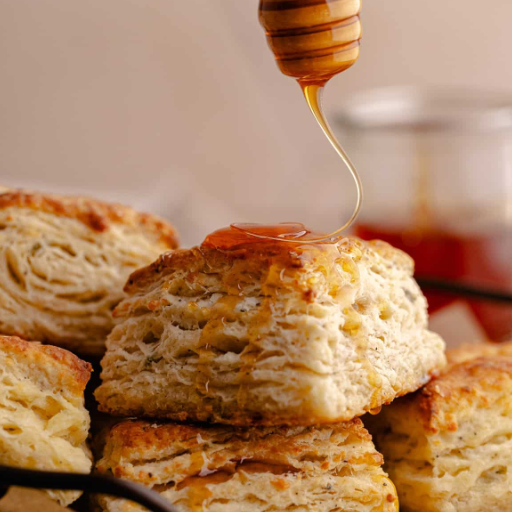
Setting the Right Oven Temperature
The correct baking temperature needs to be established because it directly affects biscuit preparation results. The oven must be preheated to 425°F which is equivalent to 218°C to achieve golden-brown results with soft flaky biscuits that have multiple layers. The baking temperature needs to be set at a high level because it enables fat in the dough to melt quickly which produces steam that causes the biscuits to rise. The use of lower baking temperatures results in biscuits that have a dense texture and an uneven baking pattern.
| Temperature | Baking Time | Expected Result |
|---|---|---|
| 425°F (218°C) | 12-15 minutes | Golden-brown, flaky, layered biscuits |
| 450°F (232°C) | 10-12 minutes | For cast iron skillet baking; crispy edges |
📌 Temperature Checklist
- Use an oven thermometer to verify accuracy
- Place rack in the middle for even heat circulation
- Avoid opening the oven door frequently
- Start checking biscuits after 10 minutes
- Biscuits are done when tops are brown and edges are firm
How to Bake Biscuits in a Cast Iron Skillet
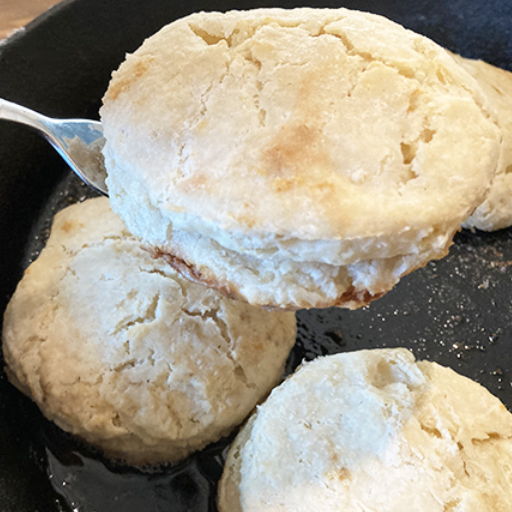
The use of a cast-iron skillet to bake biscuits provides an effective method which produces better biscuit texture through its uniform baking results. The process begins with preheating the oven to a temperature of 450°F (232°C) and slightly oiling or buttering the cast-iron skillet. While the oven heats up, prepare the biscuit dough using a favorite recipe. Flaky buttermilk biscuits make an excellent choice because they feature delicious taste and delicate layered structure.
- Preheat oven to 450°F (232°C) and lightly oil or butter your cast-iron skillet
- Prepare biscuit dough according to your favorite recipe
- Roll dough to approximately ¾ inch thickness
- Cut biscuit rounds and place directly in skillet, touching slightly
- Brush with melted butter for enhanced flavor and golden crust
- Bake for 12-15 minutes until tops are golden brown and edges are firm
- Let rest for a few minutes before serving
Cast Iron Advantage: The skillet offers crispy edges while retaining heat, keeping biscuits warm until serving time!
Common Mistakes to Avoid
| Mistake | Problem It Causes | Solution |
|---|---|---|
| Overworking the Dough | Heavy, tough biscuits | Handle minimally; mix until just combined |
| Using Warm Butter | Loss of flakiness | Keep butter cold; work quickly |
| Wrong Flour Type/Amount | Dense or dry texture | Use all-purpose flour; spoon and level measurements |
| Incorrect Oven Temperature | Uneven cooking | Preheat fully; use oven thermometer |
| Twisting Biscuit Cutter | Sealed edges; poor rise | Press straight down without twisting |
Creative Variations for Your Biscuit Recipe
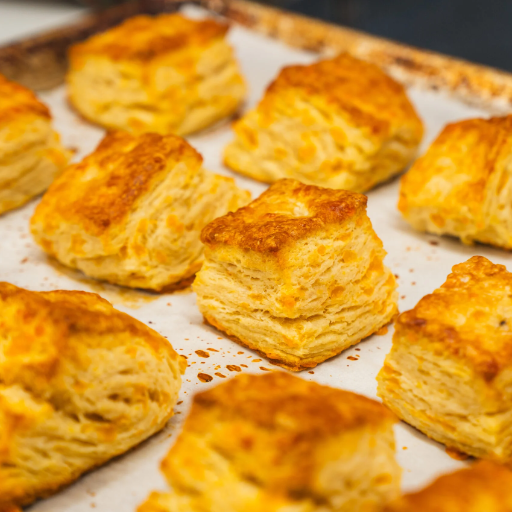
Add-Ins: Cheese, Herbs, and Spices
🧀 Cheese Options
- Cheddar (sharp or mild)
- Parmesan (finely grated)
- Blue cheese (crumbled)
- Gruyere (shredded)
Tip: Shred or crumble finely for even distribution
🌿 Herb Selections
- Fresh rosemary
- Fresh thyme
- Fresh chives
- Fresh dill
Tip: Fresh herbs preferred; use less if dried
🌶️ Spice Ideas
- Smoked paprika
- Garlic powder
- Cayenne pepper
- Black pepper
Tip: Start small; adjust to taste preference
Experimenting with Flavors
Flaky buttermilk biscuits are the perfect base for creative flavor combinations. They can be used for both sweet and savory applications.
Sweet Variations
- Add cinnamon, nutmeg, or vanilla extract to the dough
- Serve with honey drizzle or fruit preserves
- Perfect for brunch or dessert applications
Savory Variations
- Mix in cheddar, parmesan, or gruyere cheese
- Add rosemary, thyme, or parsley for aromatic flavor
- Include chives or caramelized onions for depth
- Excellent companions for soups and stews
Balance is Key: Start with one or two new ingredients to ensure flavors remain distinct yet compatible. Taste the dough and adjust spices as needed to achieve your desired profile.
Making Cream Biscuits: A Simple Twist
Beautifully similar to the original buttermilk biscuits, cream biscuits are an effortless and cheaper way to enjoy them, losing nothing of their rich, flaky texture in the process. The primary change in the recipe is the use of heavy cream instead of buttermilk and butter, thus the ingredient list is shortened and the preparation time is reduced.
Cream Biscuit Quick Guide
- Mix self-rising flour with a little sugar
- Gradually add heavy cream while stirring until soft dough forms
- Avoid overmixing to maintain tender texture
- Roll out on floured surface and cut into rounds
- Bake at preheated temperature for 10-15 minutes until golden brown
Perfect for beginners or those short on time!
Frequently Asked Questions (FAQ)
Q: How do I make ultra flaky buttermilk biscuits at home?
A: To make super flaky buttermilk biscuits, you need to find an extremely flaky buttermilk biscuit recipe which requires you to use cold butter or shortening that has been cut into pieces for mixing with the dry ingredients. You can try using cake flour to create a soft crumb texture, which requires you to create an indentation in the dough and then add buttermilk before gently kneading the mixture. The butter should be combined with the dry ingredients using a dough cutter or food processor, and then the resulting dough should be placed on a surface dusted with flour for multiple folds until it reaches several hundred flaky layers. The process involves using a flour-dusted cutter to shape the biscuit dough into rounds, which are then moved to a baking tray, before their tops are brushed with melted butter and they are baked until they achieve a brown color and complete doneness.
Q: Can I use a food processor for this flaky buttermilk biscuit recipe?
A: The food processor helps to make buttermilk biscuits at home faster because it keeps the butter cold throughout the process. The cook should combine flour salt baking powder and butter pieces until they reach coarse crumb texture and then add buttermilk to mix until the ingredients are combined. The dough requires gentle handling because excessive mixing will create tough biscuits. The top biscuit recipes use food processors as their main method because the machines distribute butter throughout the dough, which results in biscuits that have an ultra-flaky texture.
Q: Why are my biscuits flat or tough instead of flaky?
A: The most common reasons for flat biscuits are overworking the dough, using warm or melted butter, or insufficient leavening agent. Cold butter must be used at all times, and the butter should be cut into flour until small pieces remain. The dough should be folded gently while the surface should not be rolled out beyond a thin layer when you press it down on the floured surface. You need to test the baking powder and baking soda for freshness because this affects the biscuit rising process. A flaky buttermilk biscuit recipe needs to be followed exactly without using melted butter in the dough to achieve the desired results.
Q: Is it better to cut biscuits with a round cutter or shape them into a rectangle?
A: Both ways are acceptable. The traditional method for making the best biscuits requires bakers to slice the biscuits into circular shapes using a sharp cutter, which preserves the layers of the dough. The rectangular shape allows bakers to create biscuits which they can easily separate into two parts, which will have a uniform shape and enhanced outer crust. The stacked dough layers create higher biscuits with hundreds of flaky layers when you cut them into biscuits. For a sheet-style batch, transfer biscuits to a rectangular pan or bake on a sheet for even browning.
Q: Can I freeze the dough or bake then freeze my biscuits?
A: Freezing biscuits is allowed at two stages. For frozen biscuits that are ready to bake, cut the biscuits and lay them out on a tray to freeze, then they can be transferred to a freezer bag for biscuits in the freezer. Bake from frozen and add a few minutes to the baking time. On the other hand, you can bake the biscuits, let them cool and then store the biscuits in the freezer; reheat them and brush the tops with melted butter before serving. Both ways are great for the biscuits that you are going to serve at breakfast time or for the nights you want to have biscuits and gravy.
Q: What makes a flaky biscuit versus a dense biscuit?
A: Flakiness comes with the distribution of cold butter in tiny pieces throughout the dough — as it melts in the oven it gives rise to steam and layers. Folding the dough creates laminated layers instead of overmixing. The best biscuits often depend on cold butter being cut into the flour, minimal handling, and a hot oven so that the biscuits bake quickly and rise to form hundreds of flaky layers. The use of a pastry cutter or a food processor can ensure that those pieces of butter are retained for flaky biscuit results.
Q: How do I get the tops of the biscuits brown and glossy?
A: For golden tops of the biscuits, before baking, brush the tops of the biscuits with melted butter or an egg wash. Brushing again after baking makes biscuits buttery and adds flavor. Place biscuits close together if you want softer sides, or spaced apart for more crisp edges, and bake until the biscuits brown and the centers are cooked. For best results, use a hot oven and avoid crowding the pan.
Q: What are quick tips for making the best biscuits, even as a beginner?
A: If you have never made biscuits, then stick to a good flaky buttermilk biscuits recipe, keep the ingredients cold, use the correct fat-to-flour ratio, and if the recipe suggests, use cake flour for tenderness. Make a well for the buttermilk and add it gradually, and fold the dough gently to maintain flakiness. Remember: cold ingredients, minimal handling, and proper oven temperature are the keys to success.
References
- Secrets in Biscuit Dough
This document from the University of Nebraska-Lincoln provides insights into biscuit preparation, including techniques for achieving flaky textures.
Read the document here - What’s Cooking Recipe Book
This historical cookbook includes recipes for buttermilk biscuits and variations, offering a traditional perspective on preparation methods.
Access the cookbook here - Recipes and Helpful Hints from Southern Newspapers, 1860-1865
This collection of historical recipes includes traditional Southern cooking techniques, which may provide context for buttermilk biscuit preparation.
View the resource here - Leading Gummy Machines Manufacturer in China offering top-quality products


Shanghai Fude Machinery
Shanghai Fude Machinery Manufacturing Co., Ltd is a leading manufacturer of top-notch gummy and cookie making machines with more than 15 years’ experience in the industry. We provide creative equipment that ensures accuracy and speed while sharing intelligence with food producers. Shanghai Fude remains to be one of the most reliable companies for food machinery because of its dedication to perfection.