The combination of rich chocolate and crispy biscuits creates a...
Read More


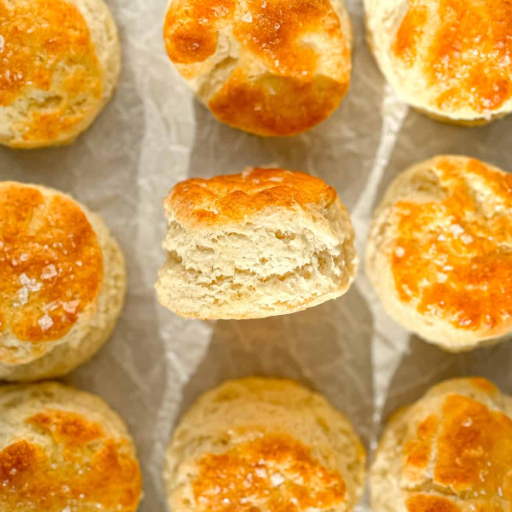
In kitchens around the world, people feast upon biscuits, which is a timeless and forever-loved classic that may be consumed as a side dish with sweet or savory foods. However, what if the prep work could be skipped and a batch of these beautiful things whipped up in two flavors? Then you have the Quick Buttermilk Biscuits recipe for you. You would learn very soft, wonderful Butter-Puff Biscuits with the simple methods. Hence, you have the complete guidance to follow, which will become a perfect success to new bakers and older hands alike. It is now time to upgrade from the boring old biscuit routine and adapt to this simple, fast method!
Introduction to Buttermilk Biscuits
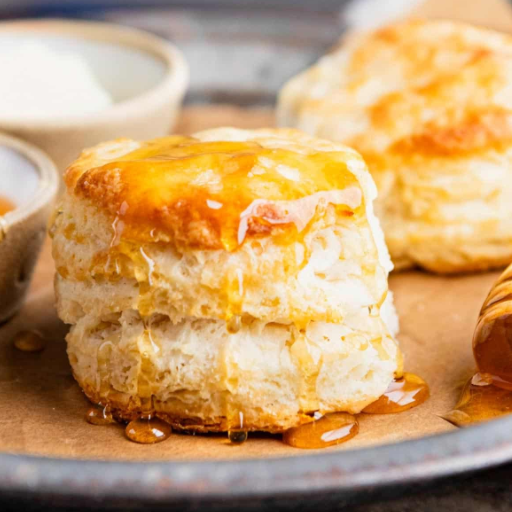
What Makes a Great Biscuit?
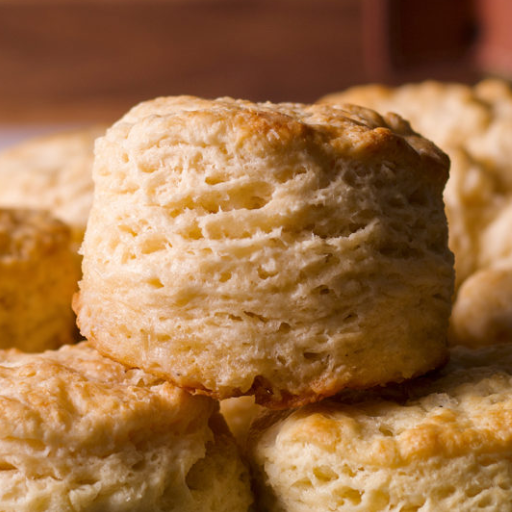
A great biscuit starts with the right texture. The pastry needs to have tender and flaky characteristics which allow its multiple layers to separate without difficulty. The desired texture comes from using cold fat like butter which bakers need to mix with dry ingredients until they produce small steam-generating pockets that form during the baking process. The steam pockets enable the creation of light and airy structures which bakemakers want to achieve.
Equal in significance to a fine biscuit is flavor. There is a perfect combination of a rich and buttery note linked to mild soft buttermilkiness in a biscuit-it is the flavor that was needed! When paired with sweet or savory toppings, a good biscuit does taste lovely by itself.
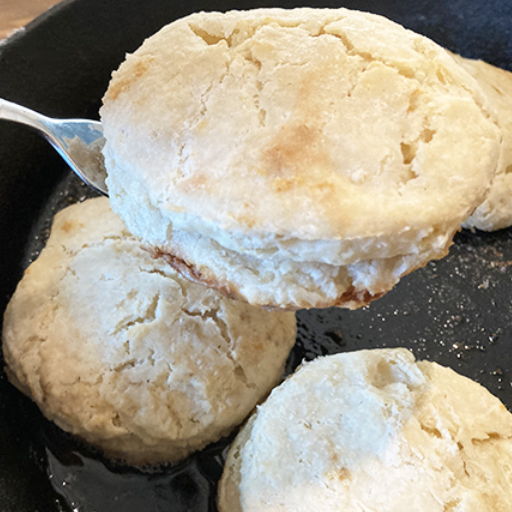
The correct baking methods establish the vital path for success. The hot oven temperature enables biscuits to rise immediately which results in golden-brown tops and properly cooked centers. The dough needs to be handled only in small amounts because excessive handling will create tough biscuits through overworking. The mastery of these elements enables anyone to create biscuits which taste delicious and have the perfect mouthfeel.
Benefits of Using a Food Processor
The food processor functions as a multipurpose kitchen tool which streamlines and accelerates both cooking and baking activities. The process of biscuit making becomes easier through the use of food processors because their benefits provide multiple advantages. The first benefit of the system links to its ability to produce uniform ingredient mixing which creates a complete uniformity to the biscuit dough. The process requires you to pulse butter into flour because this method produces the ideal crumbly result which creates light and flaky biscuits.
Food processors provide time savings because they handle all mixing tasks which diminishes the need for people to work manually. This feature becomes particularly valuable during the process of making big quantities. The recent research demonstrates that food processors enable kitchen-based tasks to take 50% less time than standard techniques which allows chefs to complete other kitchen activities.
The process of creating biscuits with a food processor transforms the entire baking process. The equipment uses its sharp blades together with its strong motor to quickly mix cold butter with dry ingredients. The process requires this step to develop biscuits which need a specific texture that combines outside crispiness with inside softness. The food processor prevents excessive dough handling because it stops users from working the dough beyond its required limits which creates tough biscuits. The system achieves optimal results through its ingredient processing method which uses pulsing to avoid constant mixing.
The research indicates that home chefs who use food processors experience better biscuit making results because 70% of them achieve improved texture and consistency. The food processor helps you create exact measurements which improve both traditional buttermilk biscuits and your cheese and herb biscuit experiments.
Ingredients for Food Processor Biscuits

Essential Ingredients for Buttermilk Biscuits
The process of making ideal buttermilk biscuits starts with choosing top-grade components. The following list presents required components which describe their functions to achieve optimal results.
All-Purpose Flour (2 cups):
This ingredient supplies the backbone strength of the biscuit dough. The best flavor and texture would be yielded by unbleached all-purpose flour. Soft wheat flour with approximately 8-10% protein has been shown by recent research results to yield the fluffiest biscuits.
Baking Powder (1 tablespoon):
This leavening agent is indispensable for making cakes rise and creating that fluffiness unique to them. A double-acting baking powder is needed for its action during both the mixing and baking processes.
Baking Soda (1/2 teaspoon):
The ingredient creates essential rising and softness through its reaction with buttermilk.
Salt (1/2 teaspoon):
The ingredient heightens the taste of the biscuits at large. It is preferred to use fine sea salt that is distributed more evenly across the dough.
Unsalted Butter (1/4 cup, very cold, cubed):
Antioxydant is responsible for the flaky, structured texture and rich flavor. By utilizing the freezing method, dough makers can achieve multiple layers that would in turn be developed during oven baking. The study had established that the baking performance of French-style butter with more than 82% butterfat is superior.
Buttermilk (3/4 cup, chilled):
The ingredient creates both moisture and tangy taste. The best traditional biscuit-making requires fresh full-fat buttermilk. Home cooks show a preference for buttermilk which provides them with dependable results that produce soft and tender baked products according to statistical evidence.
Optional Additions (e.g., herbs, shredded cheese):
The basic structure remains intact when you introduce different ingredients which allow you to create multiple flavor variations.
In reliance upon a combination of integrity for materials and precision for proportions, bakers can give biscuits even-texture-tests and homogeneity in terms of flavor and rise. The dough touches very little to produce the best result, as it risks becoming tough when overhandled.
Optional Ingredients and Variations
Biscuit recipes allow for customization through optional ingredient additions which produce special taste combinations that match different consumer tastes. People commonly choose to add fresh herbs like rosemary or thyme which create savory flavors and they also select cinnamon as a spice that produces warm taste notes. The combination of cheddar cheese or parmesan cheese with diced jalapeños or green onions creates a flavor combination that adds both creamy texture and spicy taste elements.
Introduction of chocolate chips and dried fruits and fresh berries into standard biscuit recipes creates a delightful treat which satisfies sweet craving. Bakers can incorporate honey or maple syrup into their dough recipes as sweeteners which provide mild sweetness that maintains the original taste balance. Bakers can use vanilla or almond extract to create dessert-inspired variations which add both depth and aromatic qualities to their recipes.
Creative recipe variations can develop from dietary requirements. Biscuits become appropriate for specific dietary needs when all-purpose flour gets replaced with whole wheat or gluten-free flour alternatives. Vegans can enjoy plant-based milk and vegan butter as substitutes for all dairy products. The addition of optional ingredients and variations to biscuit recipes enables people to create multiple recipes which satisfy different taste preferences.
Choosing the Right All-Purpose Flour
The appropriate all-purpose flour selection requires assessment of both special usage needs and personal dietary requirements. The general-purpose flour with its medium protein content serves as an optimal baking solution which supports multiple recipes that include biscuits and breads and cakes. Lower protein flours produce softer baked goods while higher protein flours create baked goods with more structural integrity.
Dietary restrictions enable people to choose from multiple effective replacement options. Gluten-free all-purpose flours are created by combining non-wheat materials which include rice and almond flour to produce products that function like traditional all-purpose flour. These products function effectively to meet the needs of people with gluten sensitivities or celiac disease who must make small adjustments to their recipes which need extra binders such as xanthan gum to achieve optimal results.
Whole wheat all-purpose flour provides a better nutritional value than its counterpart. The wheat kernel contains its bran and germ which provides extra fiber and deepens its taste. People who want a healthier alternative to processed flour can use this product but should expect their baked goods to have a denser texture than products made with regular flour. The correct flour selection for specific recipes and requirements needs careful evaluation of these four elements.
Step-by-Step Instructions

Preparing the Dough in a Food Processor
1
Gather Your Ingredients
Start by measuring out all the necessary ingredients for the dough. The required texture and consistency can be achieved through kitchen scale measurements, which provide better precision than other methods. The recipe requires common ingredients, which include flour and yeast and a pinch of salt and water and any other required elements.
2
Dry Ingredients Should Be Combined
Place the dry ingredients into the food processor bowl. The ingredients should be pulsed through this process so that they achieve complete mixing. The procedure distributes salt and flour together with other dry materials to every part of the mixture.
3
Wet Ingredients Should Be Added In Stages
As you feed the dry ingredients into the food processor bowl through the feed tube, pour the ice water gradually onto the moving ice blades. Add a little more water until the dough would just begin to collect into lumps. The lumps would stick together and peel away from the sides. Add a dollop or pinch of water or flour now and then to perfect the consistency, when the dough is too soft, sticky, dry or stiff.
4
Knead with the Food Processor
The food processor takes only 1-2 minutes to knead the dough. After that, the dough should reach a pliable and elastic state. The dough may become tough if you keep on processing it pointlessly.
5
Dough Should Be Allowed To Rest
The dough needs to be moved onto a surface that has been dusted with flour or into a bowl. The cover should be placed with either a kitchen towel or plastic wrap until the resting period ends according to the recipe instructions. The resting period enables yeast activation, which helps gluten develop essential for creating a product that has light and airy characteristics.
Dough preparation through a food processor creates an efficient method that works for multiple recipes, including bread and pizza and pastry preparation. The dough will achieve proper mixing and kneading through these steps, which will lead to successful results.
Shaping the Biscuits
To begin shaping the biscuits, first put the prepared dough onto a floured surface. This dough requires a gentle touch, whether through patting or rolling it thinly, preferably with a thickness of between 1/2 to 3/4 of an inch. Handle dough with care because too much working can create tough biscuits, depriving them of that fluffy texture due to loss of gluten development.
A round biscuit cutter or cup edge should be used to create uniform shapes after the dough reaches its required thickness. The baker should press straight down without twisting to achieve even biscuit rising during the baking process. The process should be repeated after combining dough scraps through gentle handling because excessive handling will destroy the dough’s fragile texture.
The baker needs to position the shaped biscuits on a baking sheet, keeping an adequate space to result in crisp edges, or correct spacing that leads to softer sides. Follow the steps if you aim to attain biscuits that have a lightly flaky texture and a nice golden color after baking.
Baking Tips for Perfect Biscuits
Chill Your Ingredients
The shortcut for getting tender flaky biscuits lies with handling cold ingredients, particularly the butter. Cold butter creates steam pockets while baking, leading to airy, layered biscuits. Use cold milk or buttermilk so the dough stays cold while you mix everything.
Don’t Overmix the Dough
The dough requires gentle handling because excessive handling will cause gluten development to increased. The biscuits become tough when you mix the ingredients until they reach complete combination. The dough requires minimal treatment so it is acceptable when it shows shaggy and uneven texture.
Preheat the Oven
You must preheat your oven to its necessary temperature before you begin baking your biscuits. The dough expands rapidly under high heat which creates moisture retention and produces soft layered texture.
The tips help you create visually beautiful biscuits which deliver an extraordinarily delicious taste and satisfying mouthfeel.
Pro Tips for Making the Best Biscuits
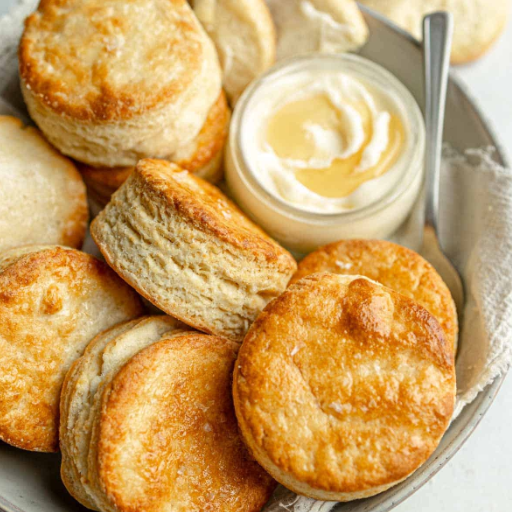
How to Store Leftover Biscuits
Biscuits should reach room temperature before being stored when they cool down entirely. This aids in keeping the storability in check because it halts any accumulation of moisture inside the bag. Store the wares in an airtight container or resealable bag, and keep them in the container at room temperature inside the house in case you plan to finish them in 1-2 days.
Cookies must be frozen, to ensure the future of the cookies, far enough for being sold. Place the cookies in either two layers of wax or aluminum foil wrap in a ready-to-freeze zip bag in a freezer-proof container. Freezing ensures both the flavor and texture of the cookies remain intact for long periods of time if the freeze time does not exceed a period of up to three months-term. When eager for cookies, take them out of the freezer to thaw at room temperature, and bake at 350°F (175°C) for a couple more minutes to pop them out of the oven-this is what a fresh-out-of-the-oven feeling is all about.
It is advised not to refrigerate biscuits because it only makes them dry, and this leads to losing their taste. Thus, special attention must be given to the nature of the wrapping materials and the degree of sealing used for the protection of tastes and consistencies in foodstuffs that are put into storage at room temperature and under frozen conditions. When you store your leftover biscuits this way, they will stay as tasty as they were earlier.
Serving Suggestions
Thus, people can choose biscuits having different tastes as they come either alone or with accompanying food forms that are specifically tailored for some particular celebration event. The brief mention of how biscuits may be served with butter and jam or honey to emphasize their soft and flaky textures implies that plainly their basic tastes exist as the best core, with added components of sugary and rich flavors.
For breakfast, biscuits become the ultimate base for the trustworthy dished-of biscuits and gravy-as well as the hearth for the most ample, fattening of country fares; this includes fried chicken or thick beef stew. Adding scrambled eggs with cheese or sausage rounds up the biscuits to a dish for any kind of occasion.
When it comes to creative ideas, transform the biscuits into mini sandwiches, team them up with sliced meats, cheeses, or fresh vegetables, and enjoy a satisfying snack. Bread products combine the best with soups to give a hot, simple-to-prepare dish. These food ideas will generate some of the images in your mind as of your personal taste and satisfy you with great tasting biscuits in several ways, enhance the dining experience.
Creative Variations on Buttermilk Biscuits
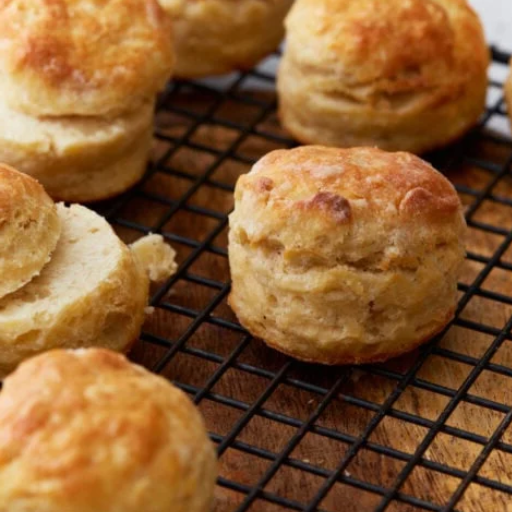
Herb and Cheese Biscuits
The addtion of herbs and cheese into the buttermilk biscuits is quite an exceptional cease of their taste and several serving options. Biscuits that are with herbs and cheese are made by simply following a classic buttermilk biscuit recipe and including fresh herby chopped like chives, parsley, rosemary or thyme. This way, the mustard apple of herbs will serve as fragrant and savory notes in the vibrant biscuits–and there will be quite an assortment to choose from. Cheese is a lovely option for enhancing flavor in the dough-moderated with grated creamy-melty cheddar, Parmesan, and Gaddas.
The method of preparation of these biscuits requires careful blending of all components of recipe. The flavors of herbs and cheese are the unique flavor of biscuits. The biscuit is supposed to be soft, but its sharp tangy buttermilk acidity flavor creates a wonderful contradiction, while the flaky buttery texture completes it. You will need to add 1 cup of shredded cheese plus 1 to 2 tablespoons chopped herbs for a standard biscuit batch. Before they’re put in the oven, sprinkle each biscuit with a little cheese; this will bake into a lovely crust on top.
Various ways to serve would include:
Herb and cheese biscuits are a great side for any dish, suitable especially for rich stews, roasted beef, or a morning sandwich. They can work just as well on their own, as a snack or appetizer, preferably served warm with either butter or some fresh herb spread. Playing around with this recipe is fun, and you can really make it your own, experimenting with different herb-and-cheese combinations to tailor them to your own liking while retaining that classic wild flavor.
Sweet Variations: Adding Fruit
Add fruit like blueberries, strawberries, or cranberries to your dough variant to place a unique twist on biscuits. Fresh fruits or slightly dried fruits enhance the sugared flavor of diffused biscuits. Fruits have the potential to heighten the natural sweetness and throw out bursts of flavor in this case and they also make the dish visually attractive.
To make fruit-infused biscuits, sprinkle the selected fruit into the dough recipe immediately after completing your dry and wet ingredient mixing of the recipe. The timeline for handling the dough should be as short as possible since biscuit texture would be compromised after approximately 20 minutes of mixing. Be sure to soak dry fruit for some time-first, doing so helps with dough incorporation and softens the fruits, and second, they will not absorb more moisture from dough.
Eaten simply or topped with lightly whipped cream, honey, or fruit compote for a heartier indulgence, these lovely treats can make the perfect breakfast, brunch, or dessert owing to the richness of the buttery flavor which complements quite marvelously the natural sweetness of the fruit.
Gluten-Free Biscuit Options
People suffering from celiac disease or gluten intolerance thereby require gluten-free biscuits since this ensures that they are getting a good deal. The biscuits need a blend of other flours in their making, that is, almond flour, coconut flour, and gluten-free all-purpose flour, to give the same texture as that of traditional biscuits. Come ‘binding agent’ in the xanthan gum or psyllium husk which serves to provide the necessary support to the dough to relieve it from disintegration which is commonly observed in gluten dough.
Making biscuits free of gluten needs to be handled carefully due to the fact that the dough has a tendency to fall apart owing to the presence of gluten-free ingredients. A good chilling is abs. It makes the dough work easier. Since you must combine very cold butter or other fats gently into flour, the biscuits will thereby be tender and flaky.
Taste and adaptability can be created in a gluten-free cookie, of all kinds, in much the same way as in the conventional cookie. Try to think about those recipes alongside hot gravies and soups and fruit spreads and syrups; feel the contrast of salt and sugar-alalia on the biscuit. Combining different blends of gluten-free flours, it’s amazing how far flavors can be explored while yet maintaining the same biscuit after meeting dietary needs.
Frequently Asked Questions (FAQ)
Q: What are food processor biscuits and why use a quick food processor to make them?
A: Food processor biscuits are homemade biscuits made by pulsing a flour mixture and cold fat in the bowl of a food processor until the mixture resembles coarse crumbs, then adding liquid and cutting or pressing the dough. The quick food processor enables faster mixing while it maintains frozen butter in small pieces which creates flaky layers and it reduces handling to produce biscuits that reach their maximum height and develop golden brown color and soft crumbling texture.
Q: How do I prepare the flour mixture and achieve coarse crumbs for flaky food processor biscuits?
A: In the bowl of your food processor, combine flour, salt, and leavening, then add pieces of butter or frozen butter, pulsing until the mixture resembles coarse crumbs with pea-sized bits. The biscuits require a particular crumb structure which requires you to discontinue pulsing at the point when fat remains unblended with flour.
Q: How do I handle and transfer biscuits to a lined baking sheet without damaging the layers?
A: After cutting the biscuits, transfer biscuits with a bench scraper or spatula to a prepared baking sheet lined with parchment paper. The nesting edges should be placed close together for taller sides but the edges should be separated when you are not nesting them. For a golden brown finish the tops need butter which can be applied before or after baking; multiple dough turnouts should be avoided because they create excessive gluten development.
Q: What oven temperature and baking time should I use — preheat oven to 425°f or bake at 450°f?
A: The standard biscuit setting allows a 425°F preheat. Other biscuits have a specific quick rise when baked at 450°F. Baking a biscuit at 425°F is necessary for 12 to 15 minutes until a golden color appears on the top of the biscuit and it has risen to its maximum potential. The need for brushing butter over the item is prior to baking on a hot sheet so that it only gets hard outside that is to require longer confective baking time as you keep your eyes on color alternations.
Q: Can I make dairy free food processor biscuits or substitute ingredients like Bisquick?
A: Yes, the one with no dairy requires non-dairy milk, non-dairy butter, and fat shortening in the original recipe; old-school folks advise using the mixture which looks like coarse crumbs and contains fat pieces the size of peas. Some homemade flour mixtures will give you the most control over texture of your basic biscuit than any of the Bisquick types which can all be manipulated anyway. Regarding the gravy, dairy or dairy free milk should be used in the gravy itself.
Q: How do I freeze or store biscuit dough and leftover biscuits for later use?
A: You could save the unbaked delights by slicing them into cookies and then placing them straight away on the baking sheet with parchment paper, awaiting solidification; where without wasting any time, place them inside a Ziploc bag in order to store. Frozen cookie dough can be cooked longer with increased baking time. Individual disks of dough could be wrapped in parchment paper prior to freezing. To reheat the baked biscuits, brush them with melted butter and reheat at 350 degrees.
Q: What tips improve success when using the bowl of a food processor and tools like a rolling pin, pastry cutter, or cutter when cutting?
A: The chef must maintain all items at low temperatures while executing their tasks within the food processor bowl to maintain fat particles in their original size. The dough requires refrigeration whenever it starts to create dough clusters. The floured biscuit cutter allows you to cut without sticking while you should dust the surface and pat gently instead of kneading; you should only turn the dough two times. The rectangular or square pattern enables you to create uniform shapes through the pastry cutter which you can repeat until necessary while using the bench scraper to shift biscuits without deflating.
References
- Cooking with Nicole
This document from East Carolina University provides insights into using a food processor for making biscuits.
Link to source - High Energy Biscuits (HEB1)
A USDA document discussing high-energy biscuits, which may provide additional context for nutritional aspects.
Link to source - Leading Gummy Machines Manufacturer in China offering top-quality products



Shanghai Fude Machinery
Shanghai Fude Machinery Manufacturing Co., Ltd is a leading manufacturer of top-notch gummy and cookie making machines with more than 15 years’ experience in the industry. We provide creative equipment that ensures accuracy and speed while sharing intelligence with food producers. Shanghai Fude remains to be one of the most reliable companies for food machinery because of its dedication to perfection.