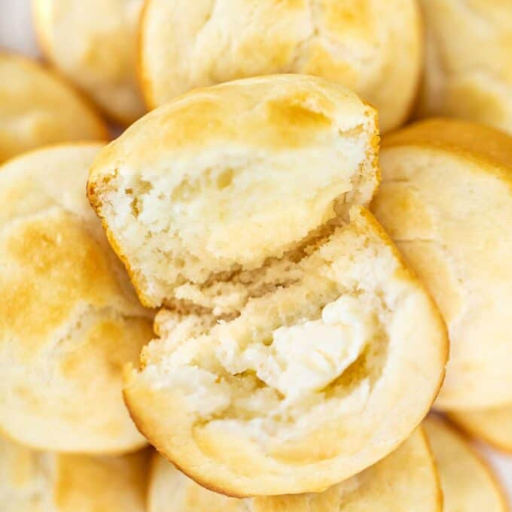
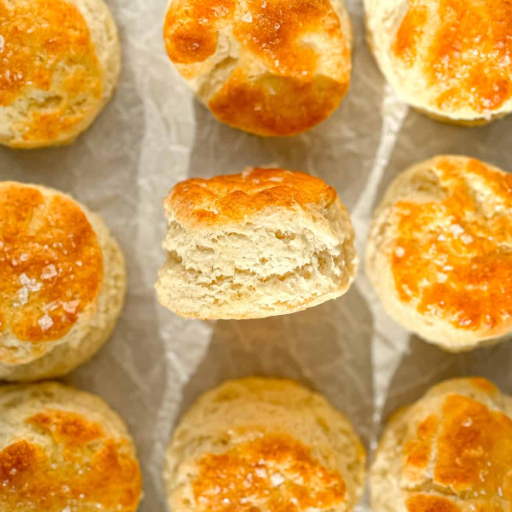
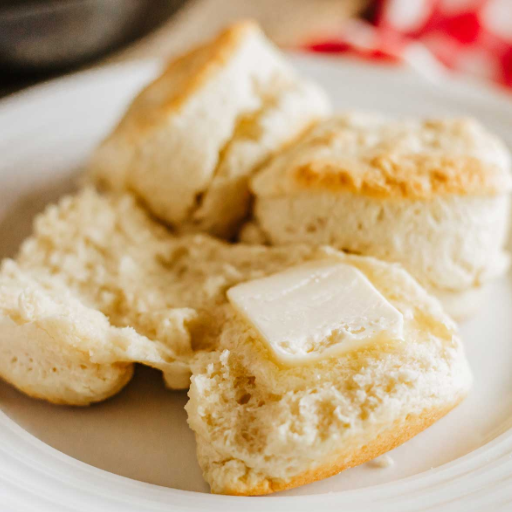
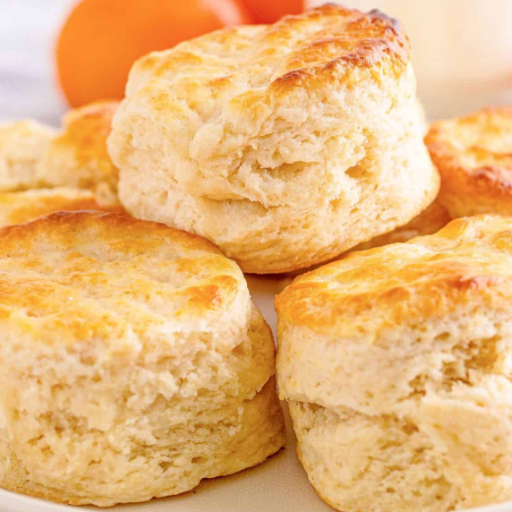
You have found the correct recipe which produces fluffy biscuits...
Read More


There comes a time when you have to give up all temptations and just go natural. This moment is finally realized with the present Gummy Bear Recipe boasting of synthetic additive-free sweet. Today is the practical version of the sweet ally when compared to the mainstream gummies readily available on the market, if not the easiest and realistically accessible gummy bears. Just about anyone can make these, which could be both great or bad. They are another kind of easy comfort snack. Just have someone else wash dishes for you, and you will bring some warmth to your stomach in no time. To say this, you may need to acknowledge the fact that it is a bad activity whenever you see a commercial for candy.
Introduction to Homemade Gummies
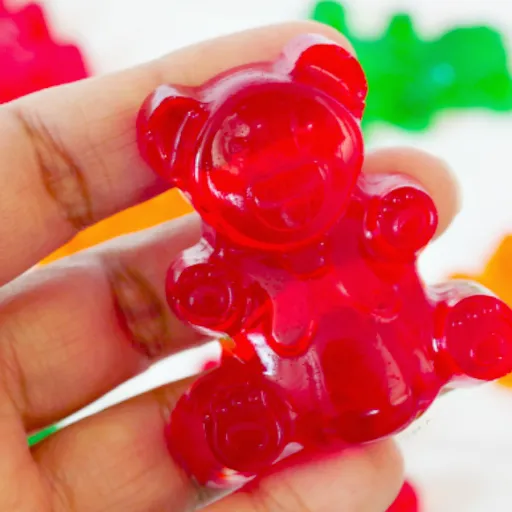
What Are Gummy Candies?
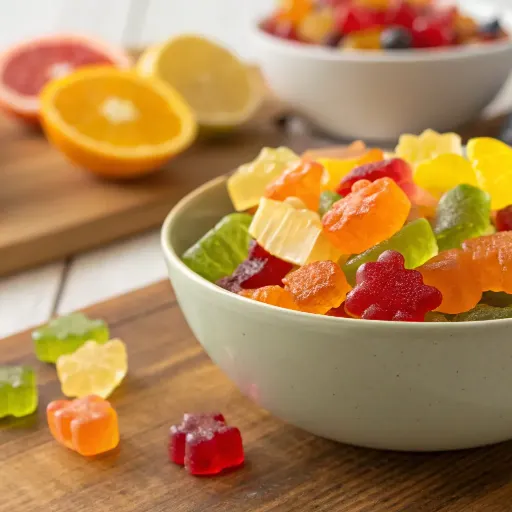
Gummy candies are formed by a syrupy substance of gelatin combined with sweeteners, colorings, and flavorings. They have a chewy texture and can be made in fun shapes such as bears, worms, and fruit slices. The characteristic gumminess is a product of gelatin, which is derived from collagen, providing elasticity and firmness to the structure.
🔑 Key Characteristics of Gummy Candies
- Double feature: Sugar and chewiness make them accessible to all age groups
- Gelatin-based: Traditional gummies use animal-derived gelatin for elasticity
- Versatile options: Vegan alternatives use agar-agar or pectin for plant-based diets
- Growing market: Increasingly popular in the natural health product industry
Gummies are enjoying acceptance as a natural health product. The primary reason for their fame is the growth in the natural health industry and its association with derived products more frequently. Even with vast merchandising for gummy products in the health consumer product department, demand continues to develop across all applications, including health food supplements and beyond.
Benefits of Making Gummies at Home
🏥
Health Control
Complete control over ingredients—eliminate artificial additives, reduce sugar content, and avoid allergens. Design treats tailored to your dietary requirements.
🎨
Full Customization
Experiment freely with flavors, shapes, and textures. Add vitamins, minerals, or herbal supplements for immune support, skin health, or digestive aid.
💰
Cost-Effective
Produce large quantities using simple, low-cost ingredients. Save significantly by eliminating packaging and branding costs associated with store-bought options.
Required Equipment for Making Gummies
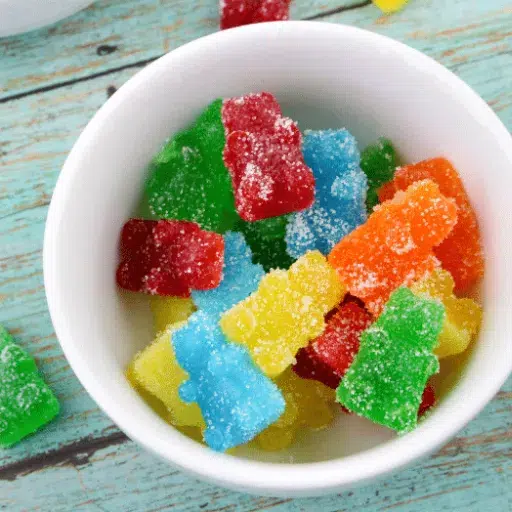
Basic Kitchen Tools
To successfully make gummies at home, you need a few essential kitchen tools that are likely already at your disposal. Here’s what you’ll need to get started:
Specialized Gummy Molds
Tailored molds are highly important tools for shaping quality gummy products. Silicone special gummy molds are best suited for this purpose as they can resist high temperatures and feature non-stick surfaces. This quality helps imprint the desired shape and makes demolding easy once the mixture has set.
🐻 Popular Mold Shapes Available
🐻 Bears 🌸 Flowers ⭐ Stars 🍎 Fruits 🐛 Worms ❤️ Hearts
Physical appearance in any food item, especially gummies, is substantial alongside functionality. Uniform shapes permit exact division between gummy servings while functioning as supplements or standalone treats. Molds that are designed impeccably provide equal settling throughout, resulting in a more professional look.
Step-by-Step Guide to Making Gummies
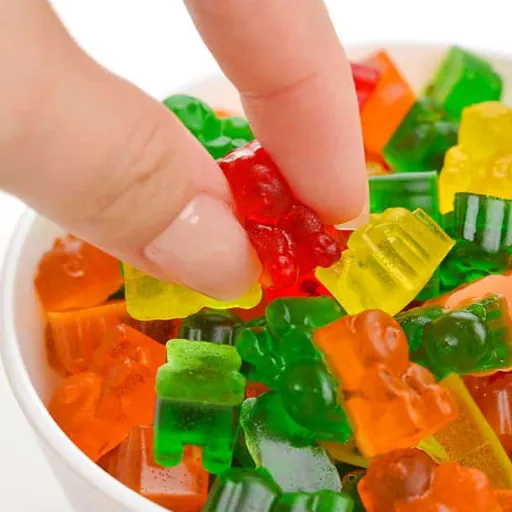
Step 1: Preparing the Gummy Mixture
1
Bloom the Gelatin
Combine cold water or juice with gelatin in a mixing bowl. Gently stir as the gelatin absorbs the liquid without forming lumps. This hydration step ensures even dissolution when heated.
2
Heat the Sweetener
In a separate saucepan over low-to-medium heat, add your sweetener (sugar or honey) to the remaining liquid base. Stir continuously until the sweetener dissolves completely.
3
Combine & Dissolve
Gradually pour the hydrated gelatin mixture into the pan with sweetener, stirring constantly. As the mixture warms, the gelatin will dissolve fully to form a smooth, clump-free liquid.
4
Add Flavor & Color
Incorporate fruit extracts, natural juices, or food coloring for appeal. Mix carefully to ensure equal distribution of flavorings and colors throughout the mixture.
Step 2: Pouring into Molds
While pouring the gummy mix into molds, accuracy and readiness are significant to maintain exact shapes and consistency. Ensure the mold is clean and completely dry before pouring, as moisture and debris can adversely affect the quality of your gummies.
💡
Pro Tip:
Pour the mixture slowly with a steady hand to minimize bubble formation. After filling, lightly tap the mold on a flat surface to release any trapped air bubbles. This ensures a smooth, level texture in your final gummies.
In scenarios where a large pan without individual molds is used, take a spatula and straighten the mixture to maintain even thickness. Such level packing assures each gummy maintains the same density and uniform texture as they cool.
Step 3: Setting and Storing the Gummies
Place the filled molds in a refrigerator or cool area for several hours. The waiting time is largely recipe-dependent—some gummies can be nearly half-set within an hour and ready to hold their shape. After acquiring their final structure, gently remove them from the molds.
📦 Storage Guidelines
🏠 Room Temperature
Store in airtight container in a cool, dry place away from direct sunlight. Lasts 1-2 weeks.
❄️ Refrigeration
Best for warmer climates. Keeps gummies firm and flavorful. Extends life to 3-4 weeks.
🧊 Freezing
Separate with wax paper to prevent sticking. Use freezer-safe containers. Lasts several months.
Customizing Your Gummies
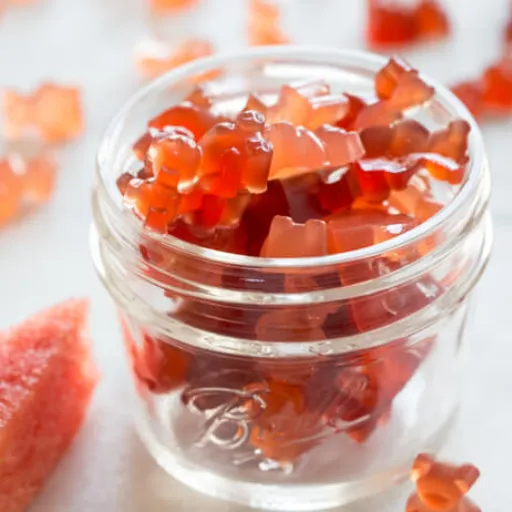
Adding Natural Colors and Flavors
For gummy customization, you have a gamut of delights and hues with many fruity and earthy flavors to woo the taste buds, all whilst providing a more natural option. Consider using stronger flavors that can stand out in the gummy mixture for best results.
These natural sources are not only vivid but are also rich in nutrients that matter. You can choose from powdered options or blend fresh produce, strain, and utilize for the best color. Always experiment with small quantities first to ensure selected flavors complement your gummy recipe perfectly.
Incorporating Dietary Supplements
Adding dietary supplements to gummy recipes can become a creative and practical way to enhance their nutritional value. Popular supplements that work well include vitamins, minerals, and botanical extracts.
⚠️
Important Considerations:
- Monitor heat sensitivity—add supplements after the mixture has cooled slightly
- Calculate dosages precisely to ensure consistent amounts per gummy
- Choose certified supplements verified by trusted regulatory bodies
- Consult a healthcare professional for proper dosing guidance
Experimenting with Different Shapes and Sizes
All dietary supplements could be prepared for different segments of society, particularly children, by transforming the shapes, sizes, or flavors into something enjoyable. If gummies are shaped like stars, bears, or fruits, their appeal increases dramatically while maintaining the integrity of delivering vital nutrients.
Smaller gummies are usually easier to chew and swallow for those with difficulty, while diverse sizing options cater to various customer preferences. Just remember that although the gummies may be of different sizes, the dosage administered must always remain consistent.
Tips for Perfect Homemade Gummies
Common Mistakes to Avoid
❌ Wrong Ratios of Ingredients
Incorrectly proportioned gelling agents, liquid, and sweeteners can dramatically affect texture. Too much liquid creates jello-like consistency; too little results in excessive rubberiness. Always measure accurately.
❌ Overheating the Gelatin
Excessive heat breaks down the gelling properties of gelatin, causing gummies to fail to hold together properly. Cook on low to medium heat only—never let the mixture reach a simmer.
❌ Improper Storage Practices
Poor storage causes instability in flavor, texture, and can lead to spoilage. Always use airtight containers and store in a cool, dry place away from sunlight to preserve quality over time.
How to Adjust Consistency
🧱
For Firmer Gummies
Add more gelatin to your recipe. Dissolve the additional gelatin in warm liquid to ensure seamless integration before mixing it into the batch.
🍮
For Softer Gummies
Use a smaller quantity of gelatin or counterbalance with more liquid. Mix well while still warm to achieve a softer, chewier texture without compromising quality.
Finally, achieving ideal consistency also depends on controlling the cooking and cooling process. Maintain low-to-medium heat while constantly stirring to prevent uneven hardening. Allow gummies to cool gradually in proper molds for optimal setting—rushing this step could negatively affect their texture.
Frequently Asked Questions
Q: How can you make gummies at home with a few simple ingredients?
The process involves using fruit juice (grape, pineapple, or cranberry work great), unflavored gelatin or agar agar, a sweetener like sugar, maple syrup, or corn syrup, and optionally some citric acid or lemon juice for tartness. Heat the juice and sweetener until dissolved, bloom the gelatin in cold water, then stir it into the warm mixture. Pour into silicone molds, let set, and enjoy your homemade gummy candy.
Q: Can you use agar instead of gelatin for homemade gummy bears?
Yes, agar-agar serves as an excellent plant-based alternative to gelatin, making it suitable for vegan and vegetarian diets. Keep in mind that agar produces a slightly firmer texture compared to gelatin, so you may need to adjust the quantities and experiment to achieve your desired chewiness level.
Q: What is the average gummy output of recipes?
The yield depends on the size of your mold cavities and recipe volume. Most common gummy recipes produce approximately 2-3 ml of gummy mixture per piece. Simply weigh the total quantity of components after mixing and divide by the cavity volume to calculate your expected output, then adjust the recipe accordingly.
Q: Can we make sugar-free gummies?
Absolutely! Replace granulated sugar or corn syrup with sweeteners such as stevia, erythritol, or sugar-free juice. Note that texture may change since sugar contributes to chewiness—you may need to add slightly more gelatin or a small amount of glycerin to compensate. Maple syrup or honey work as minimally processed alternatives.
Q: How do I fill molds without forming air bubbles?
Use a dropper or small squeeze bottle for precise, controlled filling. After filling, gently tap the mold on the counter and let the candy sit briefly at room temperature. Skim off any foam that forms on top before setting to ensure clear, shiny gummies.
Q: How do you make gummies with Jell-O?
For a soft version, combine flavored Jell-O with an additional packet of unflavored gelatin for firmer, chewier results than regular jello. Mix the flavored Jell-O with water or juice, soak the extra gelatin as required, heat gently until dissolved, then pour into molds. Check the gelatin has fully set before unmolding.
Q: How do I make gummies chewy but not rubbery, and add sour coating?
Getting the gelatin-to-liquid ratio right is key—too much gelatin creates rubbery texture, too little won’t set properly. Follow recommended measurements, reducing slightly if gummies come out too stiff. For sour flavor, add a small pinch of citric acid or fresh lemon/lime juice to the mixture, or dust finished gummies with citric acid for that extra-kick sour taste.
References & Further Reading
-
-
Cannabidiol Extraction and Quantification from Gummy Matrices – A study comparing methods for extracting and quantifying cannabidiol from gummy matrices, providing insights into gummy preparation techniques.
-
Physicochemical and Textural Properties of Gummy Candies Prepared with Fruit Vinegar – A research article exploring gummy candy recipes enriched with fruit vinegar, focusing on their physicochemical and textural properties.
-
The Great White Gazette – While not directly a recipe, this source discusses gummy-related topics in an academic context.
-
Leading Gummy Machines Manufacturer in China offering top-quality products
-

Shanghai Fude Machinery
Shanghai Fude Machinery Manufacturing Co., Ltd is a leading manufacturer of top-notch gummy and cookie making machines with more than 15 years’ experience in the industry. We provide creative equipment that ensures accuracy and speed while sharing intelligence with food producers. Shanghai Fude remains to be one of the most reliable companies for food machinery because of its dedication to perfection.