The combination of rich chocolate and crispy biscuits creates a...
Read More


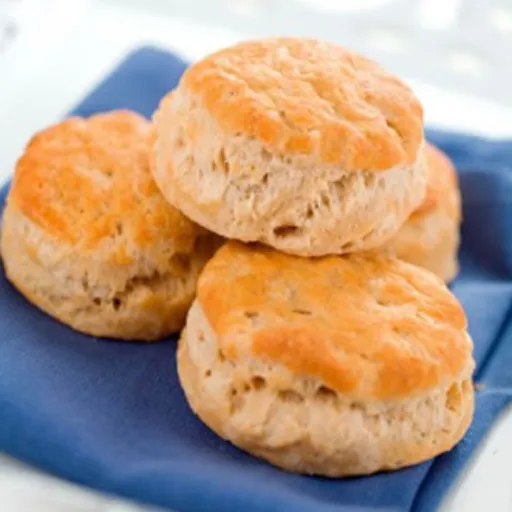
There is nothing quite like the smell of biscuits baking in a kitchen-a comforting and mouthwatering aroma that assures one of soft, fluffy, and buttery delights. However, achieving that bakery-top-line quality at home often presents a challenge, especially if you’re short on time or expertise in baking. That is where the dear old bread machine comes in! Having the correct recipe and tips to follow, you can now divide the biscuit-making secret and confidently make biscuit dough with ease. This guide will take you through the very basics of biscuit bread machine recipes to achieve a delicious outcome every time. So now the baking begins, and your taste buds are in for a treat, because making biscuits at home has never been this easy or rewarding!
Essential Ingredients for Biscuit Bread Machine Recipes
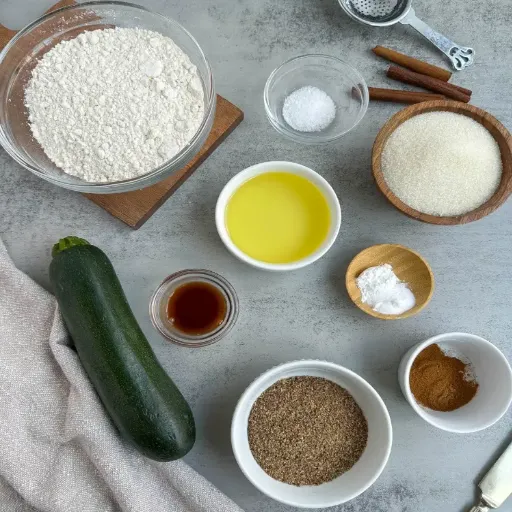
The Key Ingredients for Fluffy Biscuits
If you want soft and tender biscuits, especially made in a bread machine, it is of utmost importance to choose the right ingredients. The key ingredients are as follows:
- All-Purpose Flour– This is the basic ingredient, and depending on its property, it gives a soft or hard texture to the biscuits. If you desire fluffy biscuits, go for good-quality, unbleached flour.
- Baking Powder– Probably the only leavening agent used, which allows the biscuits to rise into their soft and airy texture.
- Cold Butter-Pockets of steam are created when cold butter melts in baking, giving a flaky texture.
- Buttermilk-This tanginess adds moisture and tenderness while imparting the biscuit’s characteristic taste.
- Salt-A trace of salt helps bring out the flavor of the biscuits while tying all the ingredients together.
- Sugar-Just a hint of sugar tends to appreciate the mild sweetness tugging against savory notes.
- Optional add-ins—cheese, herbs, and spices — are imaginative ways to elevate your biscuit to the height of your liking.
Every ingredient has its special and essential function in providing just the right texture. The precise measurements of ingredients will ensure that these bread machines always make fluffy, golden, and beautiful biscuits for you.
Meaning of Yeast in Biscuit Recipes
Yeast in particular makes biscuit products airy and light. As a leavening agent, yeast absorbs sugar and starch from the dough and converts them through fermentation into CO2 gas. God gas pockets form in the dough and expand with heat buildup during baking, thus forming the perfect crumb with lots of soft air. The fermentation that accompanies the rise also develops the flavor of the biscuit, imparting a dry sour note with all sorts of subtle complexities.
Temperature and time are two very important things to consider when baking tasty biscuits. Yeasts assist greatly in the development of biscuits; hence, we must make sure that the temperature and ambience are just right, i.e., it should be warm and moist between 95° and 115°F (35° to 46°C). That said, when considering any of the liquid ingredients for activation, they should be between this temperature range so the yeast is activated and not destroyed. The kneading will further decide whether the gluten structure remains intact-the more you knead it, the more it is broken down. Conversely, too little kneading results in poor gas retention and bad texture and rise. Well, there lies that tricky middle ground that yields gorgeous biscuits-even fluffy ones that make a person want more.
Flour Selection for Your Bread Machine
The picking of flour is supremely critical to orchestrate the best in your breadmaker. Bread flour usually stands best among all because higher protein content in the range of 12 to 14 percent exists as compared with all-purpose. As more protein exists, greater development of gluten takes place, producing a very tightly-knit dough that feels proud while standing. One could opt for all-purpose flour for softer and lighter breads, but one would have to work out quite a few adjustments on the liquids to fulfill those requirements given the lower protein content of the flour.
The use of whole wheat flour can produce a dense, yet healthy loaf. It is generally combined with bread flour in order to compensate for its mediocre fiber quality and the lack of gluten formation needed for imparting a good texture in the dough and a suitable structure in the bread. By the same token, specialty breads, such as gluten-free, of course, call for flour mixes that have been designed for such baking. Such blends utilize alternative ingredients like rice flour or potato starch, which would substitute as binding agents that would have otherwise glutinized.
In terms of milling or grinding alone, the process might introduce some temporal changes, including the addition of any additives. In some cases, the flours may be fortified with vitamins, while in others, conditioners may be present that affect the rising and baking properties of the bread. From their side, knowing precisely how each type of flour interacts with the protein content assures easy operation of the bread machine and consistently tasty results.
Step-by-Step Directions for Making Biscuit Bread
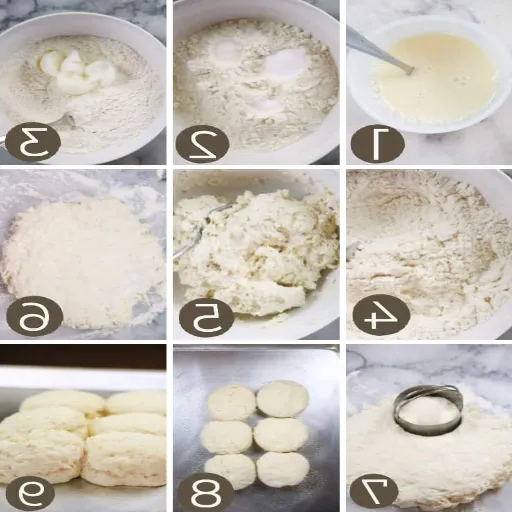
Preparing Your Ingredients: A Complete Guide
Imagine being fortunate enough to make biscuit bread with essentially fresh ingredients: nothing else will do. Select all-purpose flour, ensuring it contains an intermediate level of protein so that it will be tender yet still maintain some structure. Carry out the sifting operation specifically for fluffier flour, ensuring the flour lands without lumps.
Let us now consider the leavening agents: baking powder or soda. Whatever it may be, freshness and full potency are necessary to raise a good baking properly. Do keep it in a cool and dry place and check for expiration just before using. Your butter should be kept cold or else an alternative that will produce similarly light layers and flaky texture may be used. You want to cube the butter into small pieces and refrigerate them to keep them cold before you begin mixing.
For the liquids, milk or buttermilk will usually be the best choice, as they add moisture and that slight tang. Use a liquid measuring cup to measure liquids and make alterations to the quantities based on humidity level or type of flour being used. Once prepared and handled with care and precision, by all means, the ingredients will permit fantastic and consistent results every time.
Mixing Dough for Preferred Biscuit Texture
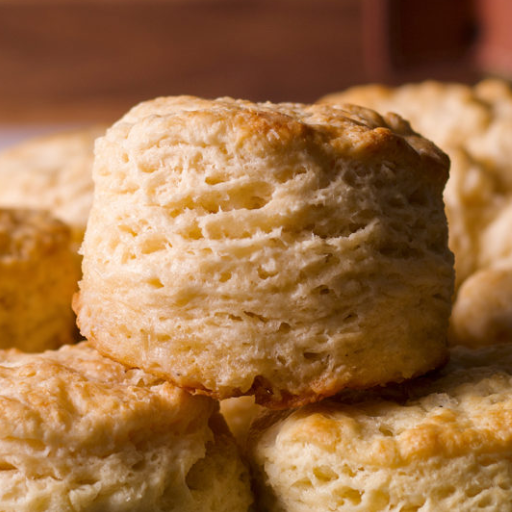
Biscuits turn out to be of best texture when dough is handled gently and deliberately. Mixing all dry ingredients is best done in a large bowl to ensure an equal distribution of the leavening agents, baking powder, and baking soda. Gradually introduce the butter, cold and cubed, while cutting it in using either a pastry cutter or your fingertips, being very quick in order to avoid any heat from your hands from melting the butter greatly. Keep it coarse and crumbly, making sure the pieces of butter are about the size of peas because those beads turn into flakes in the oven!
When pouring the liquid, do so thoroughly and mix only until the dough begins coming together. Further mixing at this stage will result in gluten creation, producing biscuits that are denser with a tougher texture. Hold back one or two tablespoons of milk or buttermilk for tweaking the consistency as needed. The dough should be slightly sticky but manageable and highly desirable; this condition makes it impossible to dry out and truly helps make the crumb tender. Make quick movements, and do not incorporate more than necessary to keep the air within those pockets that will make the biscuit light and fluffy.
Baking Instructions for Biscuit Bread in a Bread Machine
- Prepare the Ingredients: Get your ingredients accurately measured and all at room temperature, unless instructed otherwise. This includes flour, leavening agents, fats (butter, shortening), and liquid components.
- Layer the ingredients correctly: Start with pouring liquids in the bread machine pan, followed by fats, sugar, and salt. Next comes the flour, which should be evenly spread over the liquids before making a little hole in the center. Place the yeast or leavening there to prevent it from activating too soon.
- Choose a Suitable Setting: Most machines have a “Quick Bread” or “Cake” setting, which is perfect for biscuit bread. This setting therefore prevents long kneading, which would otherwise activate gluten and destroy the tender texture of the biscuits.
- Keep Track of the Mixing Machinery: As soon as the mixing starts, one should watch for the consistency of the dough. It should form a mass of soft and sticky dough without patches of being too dry or too wet. If the dough needs adjustments, add a little more liquid or flour, as appropriate, to reach the proper balance.
- Allow the Machine to Complete Its Cycle: The bread machine mixes, rests, and bakes. Once the cycle finishes, verify the biscuit bread’s doneness by sticking a toothpick in the middle: if the toothpick comes out clean, the bread is ready.
- Cool Before Slicing: Be careful while removing the bread from the machine, and transfer it to a wire rack to cool. Cooling allows for setting the crumb structure and makes it easy to slice without crumbling.
Following these steps will result in a loaf of biscuit bread with a soft crumb and gentle flavor-goodness to enjoy with any spread or savory toppings.
Delicious Variations of Biscuit Recipes Using a Bread Maker
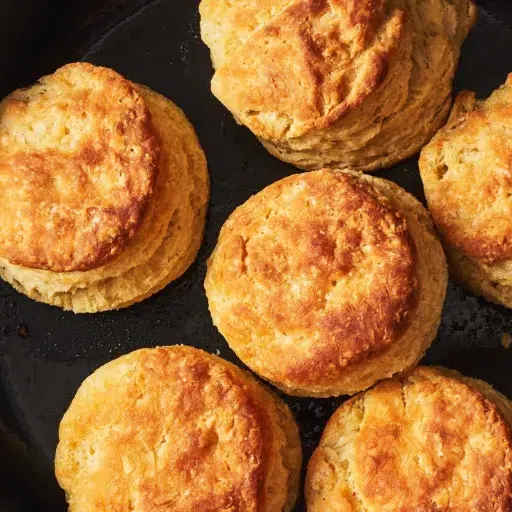
Southern Biscuits: A Classic Bread Machine Recipe
Southern biscuits are, by all means, most loved for their thin texture, buttery layers, and taste. The bread machine certainly eases the process while promising a steadiness in the result. Here are a few easy steps that can be followed for making those classic biscuits:
Ingredients:
- 2 cups all-purpose flour
- 1 tablespoon baking powder
- 1 teaspoon salt
- 1/4 cup cold unsalted butter (cubed)
- 3/4 cup whole milk or buttermilk
Instructions:
- Prepare the Dough: Flour, baking powder, and salt get mixed in a bread pan. Butter bits are sprinkled over the dry ingredients. The “Dough” setting to mix is selected. Slowly pour in milk or buttermilk until a dough forms.
- Chill the Dough: Once mixed, remove from the bread machine; cover with plastic wrap and chill for around 30 minutes to firm up for easier handling.
- Biscuits are shaped: On a floured surface, roll out the dough to a thickness of 1/2 inch. Use the biscuit cutter or rim of a glass to cut circles. Fold the scraps lightly and roll them again until the entire dough is used.
- Bake: Preheat the oven to 400°F/200°C. Place the biscuits onto a baking sheet lined with parchment paper. Slightly touching: if you want the biscuits to have soft sides, far apart: for crispier edges. Bake them for 12-15 minutes until golden brown.
- Serve, and Enjoy: Serve warm with butter, honey, or any other jam for a classic Southern treat!
For a twist with flavors, try mixing the dough with shredded cheddar cheese, fresh herbs, or some garlic powder. These biscuits serve best as breakfast, as a side item, or as a base for savory dishes such as biscuits and gravy.
Angel Biscuits: The Soft and Fluffy Solution
They offer that almost dreamy, soft texture between a classic biscuit and an airy yeast roll. These biscuits are soft and pillowy due to the beauty in leavening derived from both baking powder and baking soda and from the own special rise of the yeasts. Typically, it contains flour, sugar, yeast, butter, and buttermilk, and it remains a slightly sweet taste with light airy texture.
Adaptability is perhaps the number one trait of Angel Biscuits. You can make the dough and set it back in the refrigerator for a day or two, perfect for those hectic mornings or last-minute occasion invites. Yeasts provide a fine crumb with a hint of tang, complementing anything from jam or honey to savory spreads. The dough needs time to rise before baking to ensure softness and fluffiness every time. Serve the biscuits fresh or simply heat them a little, and you will not be disappointed.
Adding Flavor: With Honey and the Other Ingredients
Honey is considered highly versatile, as it brings that flavor out in Angel Biscuits, imparting natural sweetness that can complement both sweet and savory applications. When we say honey, you could either add it to the dough for a slight honey flavor to come through as the biscuit bakes or just simply drizzle it over the hot biscuits as the icing on the cake. They might be flavored with herbs, spices, or cheeses for experimental delights. For instance, rosemary and thyme would steer toward savory, while cinnamon and nutmeg would move toward a dessert realm. Grated sharp cheddar or some crumbly blue cheese adds more savory richness to be presented alongside a nice soup or salad. What these options really serve is the ability to customize every batch of Angel Biscuits so they can serve many occasions and taste profiles equally well.
Troubleshooting Common Bread Machine Biscuit Issues

Fixing Dense or Heavy Biscuit Bread
There can be one of several reasons for a heavy biscuit. The slightest alteration or two could throw their texture off-kilter. Too much flour absorbs in too much water, drying and toughening the dough. The measuring stage must always be very conscious of the spoon and level method of measuring flour-children say: “Never pack the flour into the cup!” Check the expiration period of baking soda or baking powder since its fresh implementation determines conversion cleanliness and degree of rising.
Another problem may arise due to improper kneading. Over-kneading will, in the end, give a tough dough, while under-kneading leaves the dough still not formed sufficiently in structure. A light way of kneading would be more appropriate here: simply mix the dough till it just comes together. Liquid ratios play another important role. If you find the dough dry, add just a bit more milk or buttermilk for a softer consistency. Also, check the temperature control of your bread machine. In other words, if the batter cycle is set for an incorrect temperature, your biscuit bread will either be underbaked or inconsistently baked. So, with proper ingredient ratios and a good working machine, you will always create great biscuit bread; light and fluffy.
Tweaking the Liquid Ratios Injection for Brilliance
Right liquid proportions should be put for the preparation of perfect biscuit bread. Too much of the liquid makes it dense and soggy, whereas less liquid leads to something dry and crumbly. Depending on the recipe and type of flour (some absorb more than others), the ideal ratio varies. Usually, bread flour requires more liquid as compared to all-purpose flour for bearing high protein content. Even ambient conditions could lead to a variation in liquid requirements, with more humid days means cutting back liquid a little bit to get good dough consistency. The dough should always be kept moist and never sticky. Let adjustments be made inch by inch, in a teaspoon of liquid’s difference at a time, as needed. By cautiously adjusting liquid ratios, you are guaranteed light, fluffy, and flavorful biscuits.
Preventing Overbaking: Tips for Perfectly Golden Biscuits
Acquiring a biscuit with the crust the perfect shade of golden while allowing the crumbs to remain tender requires some timing along with a bit of meticulousness. And, after preheating the oven to the adequate temperature stated in any recipe, ensure the oven heaters work alright; otherwise, your biscuits will finish being inconsistently baked. An oven thermometer is worthwhile to consider. Center your baking tray on the oven rack; heat distribution needs to prevail; if too close to the heating element, the bottoms might become dark before top crust gets the same treatment.
Start observing the biscuits near the finishing moment. Never demand less from your eyes; golden edges and a slight firmness over the top usually mean ready for baking. If one continues to overbake, the center dries out-We must take out the biscuit once it enters the tint required. Do not open the oven door unnecessarily for temperature fluctuations interrupt the bake. This will make your biscuits come out golden, fluffy, and perfectly baked.
Finding More Biscuit Recipes for Your Bread Machine
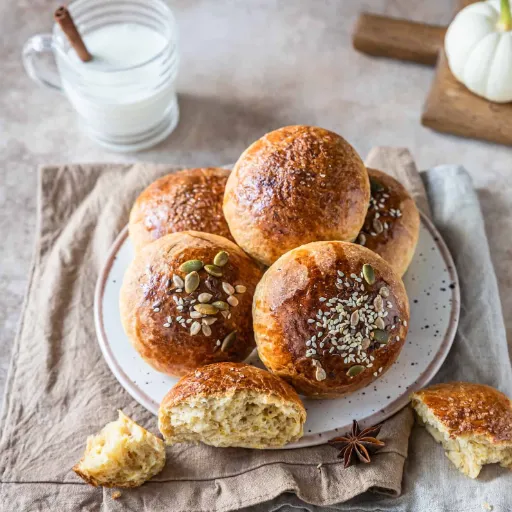
Exploring Recipes Submitted by Other Home Bakers
One of the very best ways to source newfound biscuit recipes for my bread machine is by linking with other home bakers over the Internet. There are almost innumerable communities on platforms like Reddit, Facebook, and food-oriented forums where dedicated bakers share their favorite recipes. AllRecipes and Food.com have user-submitted and user-reviewed sections, making it super easy to find the highly rated choices. These resources, if utilized, can prove to be a giant pool of creativity, ranging from baking an old recipe for buttermilk biscuits to trying out their own versions with herbs and cheese.
Food blogs and YouTube channels owned by enthusiastic home bakers have been of inestimable help to me. Many bloggers and vloggers, having tested their recipes thoroughly, also provide tips on how to use different bread machines, giving me the chance to fine-tune my process. A few of them even walk you step-by-step through the process to ensure you can follow along and achieve consistent results. Experimenting with these recipes has grown my repertoire and has taught me to adjust flavors and ingredients to my tastes. Truly, thanks to these shared experiences, my bread machine biscuits are quite a hit at my place!
Online Resources to Broaden Your Biscuit Bread Skill Set
When I started making biscuit bread, one of my first steps was to catch inspiration and gain insight from the World Wide Web. Websites like King Arthur Baking and Allrecipes offered a fantastic range of recipes geared toward bread machines. They provide step-by-step baking instructions with reviews and tips for the practicing baker. I have discovered that makers will often provide variations on classic biscuit recipes-from cheesy garlic to buttermilk and herb variations-giving me food for thought for further experiments.
YouTube is another excellent resource: here, baking fanatics and professionals offer video tutorials. Channels like Bigger Bolder Baking and Joshua Weissman offer visual instruction on processes that may seem so complicated they intimidate us. The very best thing about these videos is that they show texture, consistency, and kneading techniques in real time, all of which helped me tremendously. Bloggers and bakers often link to their social media accounts, so I stay in contact with the newest tips and trends, keeping my repertoire fresh and up to date.
Finally, I’ve been diving into some community forums and social media groups, like Reddit and Facebook. Subreddits such as r/Breadit and those dedicated to bread machines are wonderful repositories of information with lots of tips, shared experiences, and creative ideas from fellow home bakers. Members post troubleshooting tips and cheer each other on through baking successes, connected fellowship, and encouragement. Together, this blend of resources has helped me enrich my knowledge of biscuit bread-making, improving my craft one baking session at a time, and allowing me a fun and interactive way to do so.
Community Recommendations for Unique Biscuit Flavors
When exploring unique biscuit flavors, some of the baking greats gave me fantastic ideas that essentially transformed my baking life. One very popular suggestion is putting herbs and spices in the flour. For example, I have seen fresh rosemary, thyme, or a light touch of garlic powder in there, thereby producing savory biscuits that are perfect with soups or stews. For the sweet variety, a sprinkle of cinnamon, nutmeg, or cardamom never hurts the good old biscuit, especially if served with honey or sugar glaze.
A fun one was trying unusual bits with the biscuits: cheeses, fruits, or nuts. Sharp cheddar in the biscuit dough gives it a rich, tangy aroma, just too much to resist, in other words, decadence. Dried cranberries, blueberries, or chopped pecans can be used for a sweeter option, offering lovely texture and flavor. A community client suggested daringly savory biscuits, like caramelized onions or jalapenos, to be served with chili or as appetizers.
Last but not least, playing with alternative flours and liquids opens up an entirely new realm of flavor possibilities. For instance, substituting standard milk with buttermilk, yogurt, or even coconut milk gives the biscuits a somewhat different taste and texture. Whole wheat, almond, or oat flours can add a level of flavor that makes the buttery bites feel heavier and heartier. Not only have these suggestions from the baking community made my biscuit-making more thrilling, but they have also motivated me to go back and create my own flavor combinations.
Reference Sources
1. Baking | Cornell Maple Program
Source: Cornell University
Summary: This resource provides detailed recipes for various baked goods, including bread and rolls, with insights into ingredient combinations and techniques.
2. Bread Maker
Source: Michigan State University Library
Summary: This document explores the versatility of bread makers, including their use for mixing biscuit dough, with practical tips for achieving the best results.
3. Doughnut Delights | UNT Sycamore Stacks Blog
Source: University of North Texas
Summary: While focused on doughnuts, this guide includes instructions for using bread machines to prepare dough, which can be adapted for biscuit recipes.
Frequently Asked Questions (FAQs)
What ingredients are necessary to make biscuits for the bread machine?
It involves straightforward ingredients such as all-purpose flour, baking powder, milk, and butter. Buttermilk will also add one peculiar taste to the recipe. A pinch of salt can enhance the taste. Shredded cheese or herbs for a bit of a twist might work in there as well. Always measure ingredients correctly for the best results with your homemade bread.
How do I prepare the dough for the bread machine biscuits?
The dough preparation for southern biscuits in a bread machine is quite straightforward. For starters, mix the dry ingredients: all-purpose flour and baking powder. Chill in one bowl. Next, in a different bowl, add the wet ingredients: milk and melted butter. Finally, fold wet ingredients into dry ingredients until just coming together. Do not overmix; the dough needs to stay flaky. After mixing, place the dough into the bread machine, and it will begin baking.
What are the directions for baking biscuits in the bread machine?
Directions for baking biscuits in a bread machine remain: select the correct setting for your bread machine, which is usually the dough setting. Then, pour in the wet ingredients followed by the dry ingredients in the bread pan; be sure to use the measuring cup supplied so that the ingredients may be measured accurately. After the end of the mixing cycle, gently knead the dough if necessary, and then proceed to cut out the shapes. Arrange the biscuits on the baking pan with just a slight rise allowed, then bake until they are golden brown and scrumptious.
Can I freeze homemade biscuit bread machine biscuits?
Yes, you may freeze homemade biscuit bread machine biscuits for later use. After baking, allow the biscuits to cool in the pan fully. Once cooled, you can wrap each biscuit separately in plastic wrap or put them all in a freezer bag. Try to remove as much air as you can to avoid freezer burn. Reheat in either the oven or microwave when ready to eat. This is a rapid breakfast choice or a nice side for a sandwich.
How should I measure my flour for the biscuit recipe?
The correct way to measure the flour for your biscuit recipe is the spoon and level method. Basically, first fluff up your all-purpose flour in its container; then carefully spoon it into a measuring cup without pressing down and level it off with a knife or a flat edge so it is even with the cup rim. This way, you will never accidentally give too much flour. Too much flour leads to very dense biscuits instead of those flaky ones. Whenever possible, always measure flour properly to give your biscuits that perfect thickness.
How do I increase the flakiness in my biscuit bread machine biscuits?
To make your biscuit bread machine biscuits more flaky, always handle the dough gently and refrain from overworking it. When mixing the ingredients, mix just a little, as some lumps of butter can help create layers for that flaky texture. Cold butter may also be incorporated into the batter, working in just a couple of folds. Perhaps adding a bit more baking powder will allow for more rise. Since a hot oven quickly sets the layers, it helps create those tender biscuits you get from a bakery.
Where would I find more recipes for the biscuit bread machine?
Online sites that focus on bread machines are the perfect starting point if you are aiming to find more biscuit bread machine recipes. Many cooking blogs list biscuit recipes that span different preferences. Then again, joining online cooking forums where members submit their very own versions of recipes won’t hurt; plus, you can look through cookbooks that focus on bread machine recipes to get more ideas. The great thing is that with so many options, you will not be short of tasty variations to try!



Shanghai Fude Machinery
Shanghai Fude Machinery Manufacturing Co., Ltd is a leading manufacturer of top-notch gummy and cookie making machines with more than 15 years’ experience in the industry. We provide creative equipment that ensures accuracy and speed while sharing intelligence with food producers. Shanghai Fude remains to be one of the most reliable companies for food machinery because of its dedication to perfection.