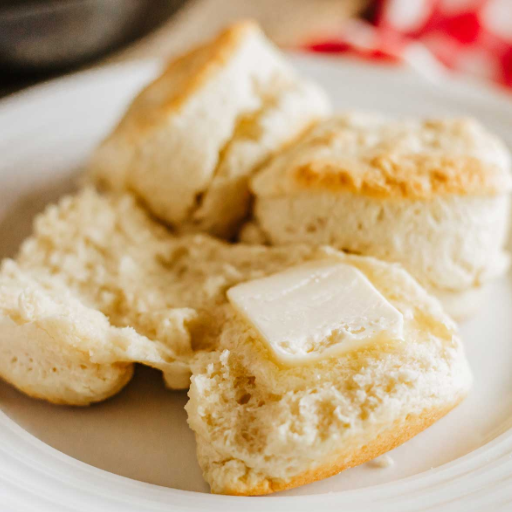
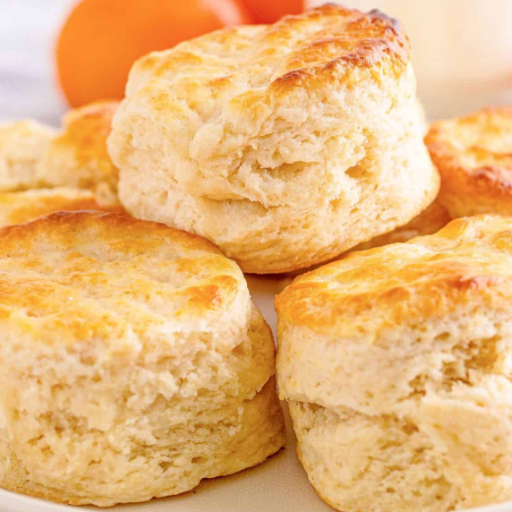
You have found the correct recipe which produces fluffy biscuits...
Read More


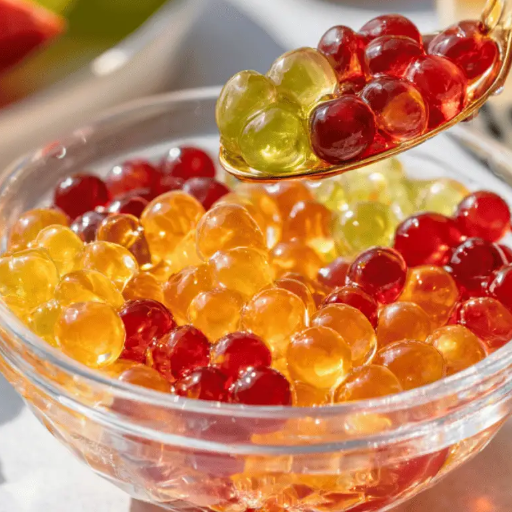
Do you love the burst of popping boba in your favourite bubble tea or desserts? Now imagine creating these fun and flavorful little spheres right in your very own kitchen! This comprehensive guide explores the art and science of spherification applied to popping boba. Whether you’re a culinary enthusiast eager to experiment with modern techniques or simply curious about this delightful treat, we’ll walk you through every step of the process.
Introduction to Popping Boba
What is Popping Boba?
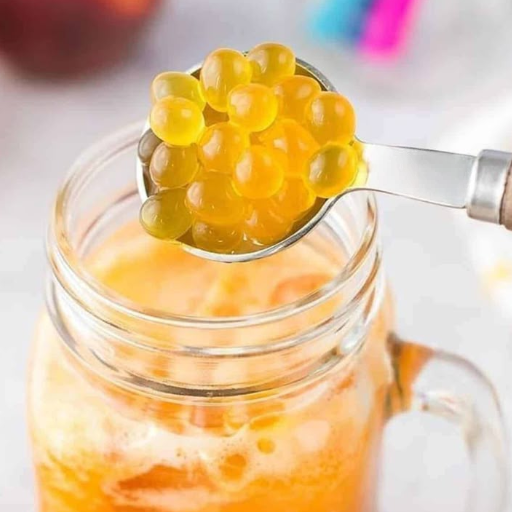
Popping boba, also known as bursting boba, is a type of spherical juice-filled treat that bursts with flavor when bitten into. Unlike tapioca pearls with their chewy texture, popping boba features a liquid core enclosed by a thin, gel-like outer layer created through the spherification process. This unique construction delivers a satisfying pop and an immediate release of flavor that makes it both fun and versatile as a food and beverage ingredient.
✨ Key Characteristics of Popping Boba
- Texture: Soft gel membrane surrounding a liquid center
- Flavors: Available in mango, strawberry, passionfruit, lychee, and many more
- Visual Appeal: Colorful, glossy spheres that enhance presentation
- Experience: Bursting sensation that adds interactive fun to any dish
The spherification technique combines liquids with calcium chloride or calcium lactate, then immerses them in a sodium alginate solution. When droplets enter the bath, a soft skin forms around the liquid, converting it into individual bead structures. This process transforms popping boba into an exciting culinary project that appeals to food lovers of all ages.
History of Popping Boba
Popping boba traces its roots to molecular gastronomy techniques that emerged in the late 20th century. This popular delicacy evolved from traditional tapioca pearls in bubble tea around the year 2000. By applying spherification methods that gained prominence among avant-garde chefs, food innovators created an impressive adaptation of the textures and flavors people already loved in their beverages and desserts.
The bubble tea industry, particularly in Asia, embraced popping boba as its “burst-in-the-mouth” feature and variety of fruity flavors captured attention from food enthusiasts and businesses alike. The interactive eating experience and vibrant presentation consolidated its position in mainstream food culture.
Since its creation, popping boba has expanded beyond bubble tea into broader culinary applications, appearing in frozen yogurt, mixed drinks, cocktails, and pastries. Today, it remains a symbol of innovation and creativity in modern gastronomy.
Uses in Beverages and Desserts
🧋 Bubble Tea
The classic pairing—popping boba adds a burst of flavor with every sip, complementing both milk teas and fruit-based varieties.
🍦 Frozen Desserts
Adds colorful visual appeal and exciting texture contrast to frozen yogurt and ice cream.
🍹 Cocktails & Mocktails
Mixologists leverage popping boba to create small bursts of flavor that enhance the overall drink profile.
Key Ingredients for Popping Boba
Essential Ingredients Overview
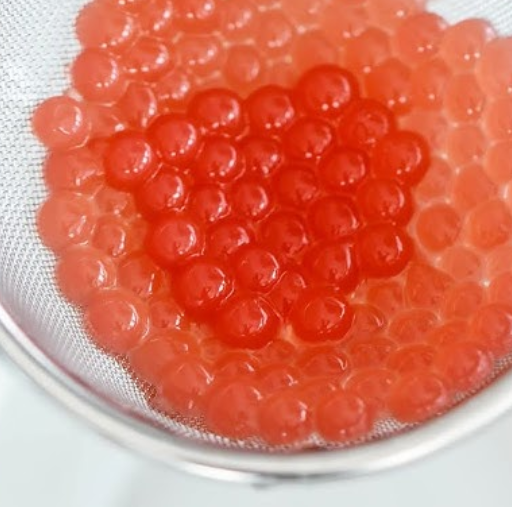
Creating popping boba requires specific ingredients that work together through chemical reactions to form the characteristic burst-able spheres. Understanding each component’s role will help you achieve consistent, delicious results.
Calcium Lactate and Its Role
Calcium lactate plays a catalyzing role in the spherification process, acting as a gelling agent that enables formation of the thin gel-like outer layer surrounding the liquid interior. When calcium ions from calcium lactate interact with sodium alginate, they create cross-links that form an edible casing around each sphere.
🔬 Why Calcium Lactate Works
The calcium ions have the property of cross-linking sodium alginate molecules, creating a gel-type membrane that’s strong enough to hold without rupturing the interior filling, yet thin enough to “pop” instantly when bitten. As a food-grade ingredient with neutral flavor, calcium lactate won’t interfere with the natural taste of your boba.
The Flavor Concoction for Popping Boba
Flavoring popping boba offers tremendous creative opportunities. The process typically involves infusing the liquid base with concentrated fruit juices, syrups, or flavor extracts before spherification begins. This ensures consistent flavor retention within the gel membrane.
🍓 Popular Flavor Options
Strawberry Mango Passion Fruit Lychee Green Tea Coffee Lavender Rose
For optimal flavor quality, use natural and high-quality flavorings. Balance is essential—the intensity should complement rather than overpower the surrounding dish or drink. Carefully measured flavors allow popping boba to serve as a versatile addition to any culinary creation.
Step-by-Step Guide to Make Popping Boba
Step 1: Gathering Your Supplies
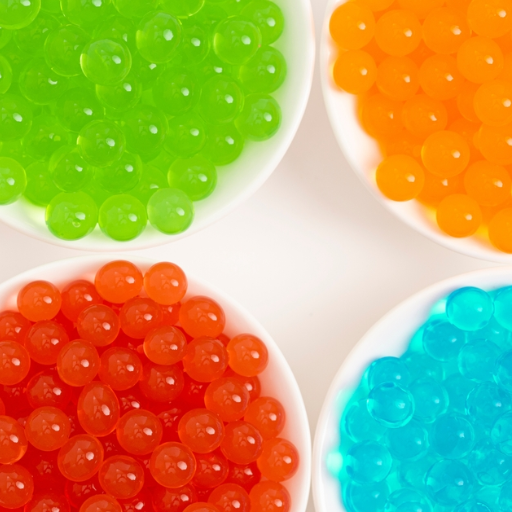
Proper preparation sets the foundation for successful popping boba production. Before beginning, ensure you have all necessary tools and ingredients assembled and within reach.
📦 Ingredients Needed
- Sodium alginate powder
- Calcium lactate or calcium chloride
- Fruit juice or flavored liquid
- Distilled water
- Food coloring (optional)
🔧 Equipment Required
- Clean mixing bowls
- Measuring spoons or digital scale
- Dropper or syringe
- Stirring spoon
- Fine mesh strainer
💡 Pro Tip: Set up your workspace near a sink or water source, as this process involves multiple steps requiring tool-cleaning and rinsing. This organization creates smooth workflow and makes the process more enjoyable.
Step 2: Preparation of the Flavor Base
- Select Your Liquid Base
Choose fruit juice, tea, or any flavored beverage with strong color and flavor. Ensure texture is even with the right balance between sweet and sour elements.
- Add Sweetener (Optional)
Enhance with sugar or other sweeteners as desired. The sweetener should complement, not overpower, the premium flavors. Add food coloring if you wish to intensify the color.
- Incorporate Sodium Alginate
Mix sodium alginate into your flavored liquid until completely smooth with no grains remaining. Allow the mixture to rest so bubbles can rise to the surface. This ensures the solution is ready for spherification.
Step 3: Executing the Spherification Process
1
Prepare Two Solutions
Create the first solution from your base liquid mixed with sodium alginate, stirring to ensure even distribution. Prepare the second solution by dissolving calcium chloride in water to create the curing environment.
2
Form the Spheres
Use a dropper or spoon to gently introduce droplets of the sodium alginate solution into the calcium chloride bath. Soft membranes will form on the surface due to the chemical reaction between sodium alginate and calcium ions.
3
Allow Setting Time
Leave the spheres in the calcium chloride solution for 1-2 minutes. This allows membranes to form without becoming too thick, preserving the delicate boba-like texture essential to the final product.
4
Rinse and Store
Carefully lift the spheres from the solution using a slotted spoon or fine strainer. Rinse in plain water to remove calcium chloride residues. The spherified boba is now ready for use in drinks or desserts!
Techniques for Successful Spherification
Understanding Spherification
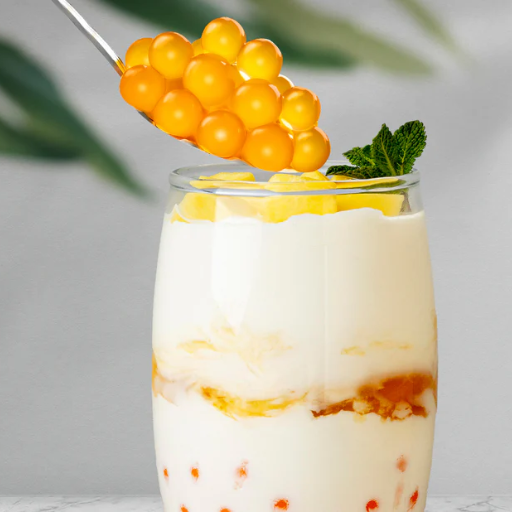
Spherification is a culinary technique that forms liquid spheres giving an impression and texture similar to caviar or pearls. The process uses sodium alginate and a calcium salt to create gelled spheres of flavored liquids. When eaten, a thin edible coating ruptures, causing the liquid to burst in your mouth.
Reverse Spherification Explained
Reverse spherification involves infusing the liquid with calcium before submerging it into a sodium alginate bath. This technique works particularly well when your liquid is calcium-rich or highly acidic, providing consistent results and extended working time.
The procedure begins by mixing calcium lactate or calcium chloride into the liquid you want to spherify. Once prepared, droplets are lowered into a water-based sodium alginate mixture. The calcium reacts with the alginate, creating an elastic membrane with a tender, soft coat. Spheres are then rinsed in water to remove residue before serving or storage.
🎯 Advantage of Reverse Spherification
The reaction only operates at the outermost boundaries of the liquid and ceases as soon as the sphere is removed from the alginate bath. This extended working time makes it easier to achieve consistent results and allows for larger batch production.
Tips for Perfect Spheres
🌟 Expert Tips for Spherification Success
Precise Measurements: Use exact ratios of sodium alginate and calcium chloride. These measurements determine texture and flavor of each sphere.
Use Distilled Water: Impurities in tap water can upset the chemical reaction needed for proper spherification.
Room Temperature Solutions: Keep solutions close to room temperature for predictable, uniform results.
Control Your Technique: Using a dropper or syringe controls sphere sizes and shapes for consistent, eye-catching results.
Rinse Thoroughly: Clean the fine-mesh sieve between uses and rinse spheres well to remove calcium chloride taste.
Troubleshooting Common Issues
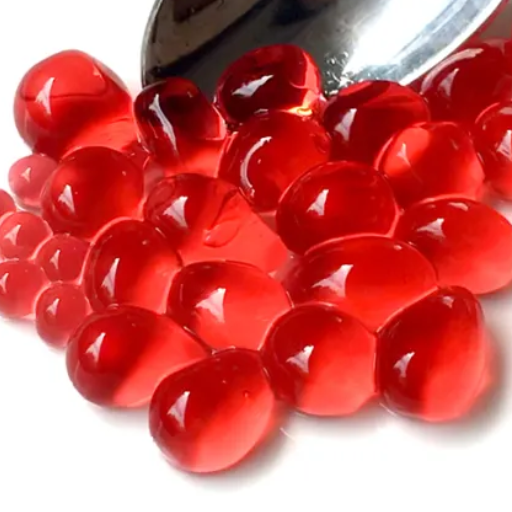
Identifying Common Problems
⚠️ Problem: Spheres Bursting Easily
Cause: Imbalanced calcium bath or incorrect spherification solution ratio.
Solution: Verify measurements and ensure both solutions are at the correct concentration. Mix thoroughly to avoid weak spots.
⚠️ Problem: Spheres Sticking Together
Cause: Droplets placed too close together or insufficient movement in the bath.
Solution: Keep spheres well apart during formation and use gentle agitation to prevent clumping.
⚠️ Problem: Wrong Texture (Too Soft or Hard)
Cause: Incorrect immersion time in the calcium bath.
Solution: Adjust timing—longer for firmer spheres, shorter for softer ones. Maintain consistent timing across batches.
Solutions for Textural Issues
Texture adjustments typically involve modifying calcium bath immersion time. When spheres are softer than desired, allow slightly more time for solidification, but exercise caution against over-hardening. When they’re too firm, reduce the immersion period. Make these adjustments uniformly across all batches for consistency.
Ingredient ratios also affect texture significantly. Too much calcium produces hard spheres, while insufficient amounts create weak membranes. Accurate measurement tools and thorough mixing ensure consistent texture throughout your production.
Adjusting Flavor and Consistency
Balance between taste and methodology determines the success of your popping boba recipe. Select a flavored liquid base with strong, natural flavor to elevate the final product. Add sweetening lightly, as excessive sugar can overwhelm original flavors. Adjust sweetness according to personal taste using honey, sugar, or syrup.
✅ Consistency Checklist
- Mix alginate with flavored liquid and rest to release gas bubbles
- Prepare calcium bath separately with proper water-to-calcium ratio
- Use steady hand movements when dropping liquid into the bath
- Control bath temperature throughout the process
- Rinse completed boba in cold water to stop the gelling reaction
Store popping boba in sweetened syrup or liquid to maintain freshness and enhance flavors. Use them with drinks or desserts for a fun and flavorful experience. Experiment by making small changes to enhance flavor and perfect your technique.
Frequently Asked Questions
References
-
Boba Binds You and Me – An exploration of boba culture and its significance, including mentions of popping boba.
-
A Case Study of Glocalization: Boba Tea and Digital Food Culture – A study on the globalization of boba tea, including innovations like popping boba.
-
Transforming Liquids into Pops of Flavors by Using Juice Pearl Kit – A detailed look at the creation of juice pearls, which are similar to popping boba, using food-grade additives.
-
Cross-Linking of Calcium Ion in Alginate Produces Spherification in Molecular Gastronomy – A study on the spherification process, which is the key technique used in making popping boba.
- Leading Gummy Machines Manufacturer in China offering top-quality products

Shanghai Fude Machinery
Shanghai Fude Machinery Manufacturing Co., Ltd is a leading manufacturer of top-notch gummy and cookie making machines with more than 15 years’ experience in the industry. We provide creative equipment that ensures accuracy and speed while sharing intelligence with food producers. Shanghai Fude remains to be one of the most reliable companies for food machinery because of its dedication to perfection.