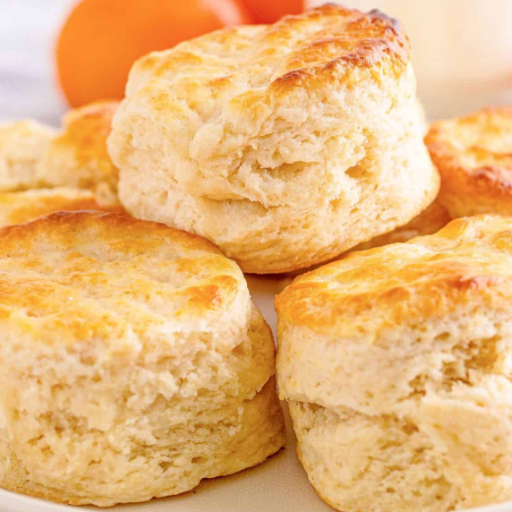
You have found the correct recipe which produces fluffy biscuits...
Read More


Introduction to Ship’s Biscuits
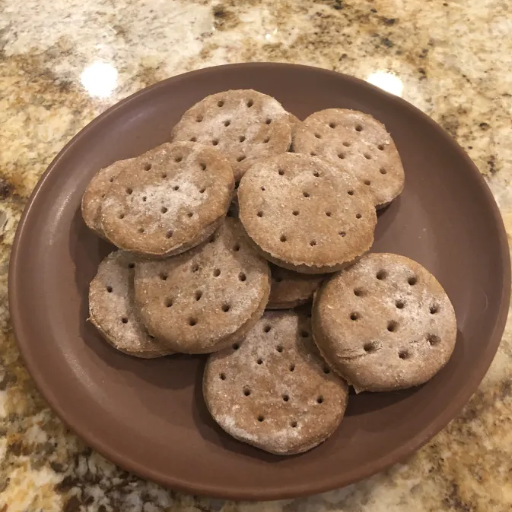
What are Ship’s Biscuits?
Hardtack or Ship’s biscuits are an easily prepared bread with a long-lasting shelf life used by sailors, soldiers, and explorers throughout history. This breed of biscuit is simply made of flour and salt, mixed with water to form a tough dough, which is then baked until hard and quite dry. The primary role of these biscuits was to offer a rugged and portable source of food during arduous voyages or campaigns when fresh provisions were limited.
🔑 Key Characteristics of Hardtack
- Incredible Longevity: Can last for months or even years without spoiling
- Minimal Ingredients: Made with just flour, water, and salt
- Moisture-Free: Baking removes almost all moisture content
- Portable & Durable: Perfect for long voyages and military campaigns
The remarkable shelf life of ship’s biscuits was their greatest asset. The drying process of baking concerned the removal of almost all moisture content. Without spoiling or becoming moldy, ship’s biscuit could last for months or even years. Hence, their presence in the list of sea voyagers’ supplies was mandatory, specifically during the 15th and 16th centuries’ quests for the New World, when sailors were sometimes isolated from fresh supplies for extended periods. The common practice was to soften them by soaking in water, broth, or other liquids, as they were often too hard to eat otherwise.
The Historical Significance of Hardtack
Hardtack sustained life for sailors and soldiers during prolonged sea voyages and campaigns when fresh food was largely unavailable. A simple mixture consisting of flour and water, it could be mass-produced conveniently and thus became a staple food for various armies and navies around the world.
⚓
Maritime Exploration
Essential during the 15th-16th century voyages to the New World
⚔️
Military Campaigns
Staple rations for armies including Civil War soldiers
🧭
Arctic Expeditions
Sustained explorers like those seeking the Northwest Passage
Common Misconceptions about Hard Bread
The art of hard bread is often misunderstood in terms of its cooking value and use. One misconception is that hard bread is simply stale, out-of-date bread. In reality, many types of hard bread such as biscotti or rye crispbread are intentionally made tough and dry to extend their shelf life and improve digestibility for particular recipes or cultural traditions.
Ingredients for Making Hardtack
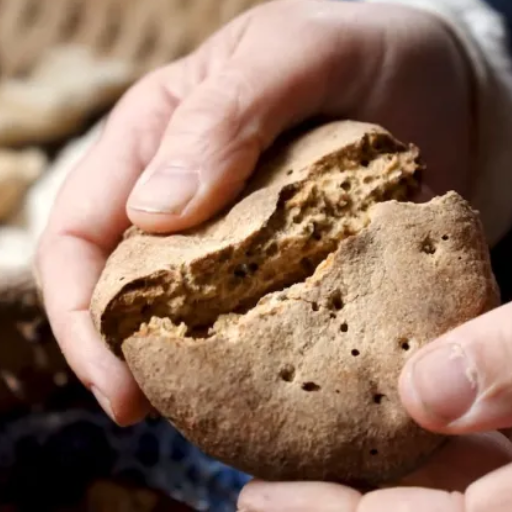
Essential Ingredients: Flour and Salt
For hardtack, a type of sturdy bread designed to last a long time, primarily two main ingredients form its foundation: Flour provides both stability and bulk for the cracker, while salt enhances flavor and preservation. From a historical point of view, these two basic ingredients provide the building blocks for this enduring bread, meeting the key requirements of toughness and storability essential during lengthy ocean voyages and expeditions.
🌾
Flour
Provides stability and bulk. All-purpose or whole wheat flours are typically chosen for the density and texture needed for a sturdy loaf. Whole wheat flour offers nutritional benefits, maintaining natural fiber and vitamins.
🧂
Salt
Enhances flavor while providing preservation properties. Helps avoid spoilage and enhances the endurance of hardtack against various environmental conditions over time.
💧
Water
Binds the ingredients together. Use the minimum amount needed to form a stiff dough. The less moisture, the longer your hardtack will last when properly stored.
Optional Ingredients to Enhance Flavor
To make hardtack more flavorful, consider adding optional ingredients while keeping the traditional character intact.
⚠️ Note: Incorporation of seeds or nuts will moderately reduce storage life since they contain natural oils that may turn rancid over time. Consume flavored hardtack more quickly or store in cool, dry conditions.
Selecting the Right Flour for Hardtack
Durability and simplicity are the two most important considerations when choosing flour for hardtack biscuits.
✅ Recommended Flours
- All-Purpose Flour: Ideal for dense, enduring product with lowest oil content
- Refined White Flour: Excellent for storage with long resistance to rancidity
⚡ Use with Caution
- Whole-Wheat Flour: Higher oil content may shorten shelf life
- Consume quickly or store in cold, dry place to prevent degradation
🌿 Gluten-Free Alternatives
- Garbanzo (Chickpea) Flour: Lower glycemic index, higher protein
- Buckwheat Flour: Rich in fibers and minerals
The Process of Making Hardtack
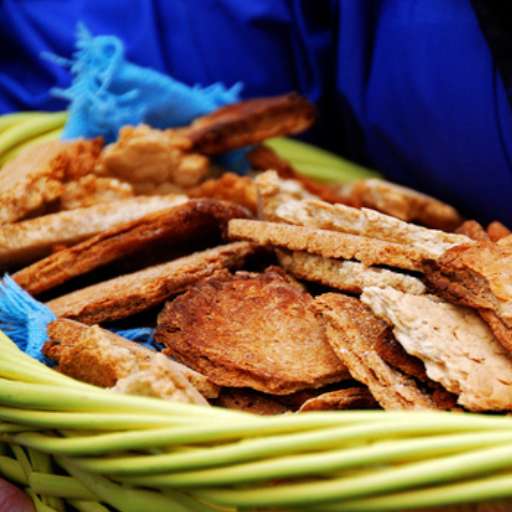
Step 1: Preparing the Dough
Creating hardtack involves blending the basic set of ingredients: flour, water, and a pinch of salt. The key is using the minimum amount of water needed to bring all the ingredients together into a stiff, firm dough.
📝 Dough Preparation Instructions
- Combine dry ingredients: Mix flour and salt in a large bowl
- Add water gradually: Start with a small amount and sprinkle more as needed to achieve the desired consistency
- Check consistency: The dough should not be sticky or soft but rather hard—this is the essence of hardtack
- Knead thoroughly: Work the dough to evenly distribute ingredients; it should be smooth and springy without loosening the stiffness
- Avoid over-kneading: This can cause cracks during baking and alter the texture
Step 2: Rolling and Cutting the Biscuits
Proper rolling and cutting technique is essential for uniform baking and the durability that hardtack promises.
1
Prepare the Surface
Sprinkle flour on your work surface to prevent sticking. Gently lift the dough onto the floured area.
2
Roll to Proper Thickness
Roll to approximately ½ inch thickness. Avoid pressing too hard or twisting while rolling. Uniform thickness ensures even baking.
3
Cut into Squares
Use a sharp knife or biscuit cutter. Standard dimension is about 2-3 inches square, depending on personal preference. Ensure uniform sizing for even cooking.
4
Dock the Biscuits
Use a fork to prick small holes evenly across the surface. This allows steam to escape during baking and prevents puffing.
5
Arrange on Baking Sheet
Transfer biscuits onto a cookie sheet lined with parchment paper or lightly floured. Space them apart for proper air circulation.
Step 3: Baking Instructions
🔥 Baking Time & Temperature
375°F
(190°C)
Oven Temperature
25-30
minutes
Total Baking Time
Flip
at halfway
For Even Baking
✅ After Baking: The biscuits should take on a light golden-brown color while remaining dry and firm to the touch. Leave them on a wire rack to cool completely so that the cookies may fully harden, prolonging their life. Store the cooled hardtack in an airtight container to keep it crunchy and crisp.
Cooking Tips for Perfect Hardtack
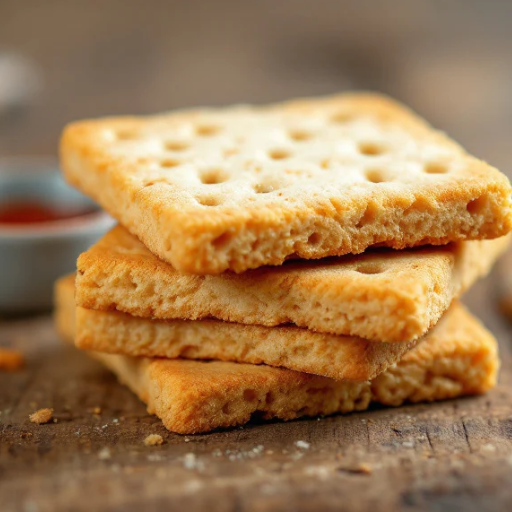
Common Mistakes to Avoid
❌
Uneven Rolling
If the dough is uneven, the cooked product will be soft in some sections and overly sturdy in others.
Solution: Use a rolling pin and measure evenly throughout before baking.
❌
Insufficient Holes
The holes should let out steam, which when trapped may cause puffing and ruin the hard texture.
Solution: Take time to poke holes with a fork in equally spaced patterns.
❌
Poor Storage
If left exposed to air or moisture, hardtack will soon become spoiled despite its natural longevity.
Solution: Store in an airtight container after reaching room temperature.
Adjusting Texture and Thickness
To attain proper texture and thickness for hardtack, creating even dough is crucial.
💡 Pro Tips for Perfect Texture
- Dough Consistency: Ensure flour and water are mixed properly to form a stiff dough with no wateriness or dryness. Too wet = soft texture; too dry = crumbling.
- Ideal Thickness: Half an inch (½”) remains a good rule of thumb. Too thick may become undercooked inside; too thin will break apart when handled.
- Even Distribution: Use a rolling pin and keep an eye on thickness as you roll to ensure uniformity across the entire sheet.
- Hole Placement: Create holes evenly planted throughout, following the outside perimeter. This produces the sturdiest biscuit by allowing steam escape.
How to Store Hardtack for Longevity
Variations and Modern Adaptations
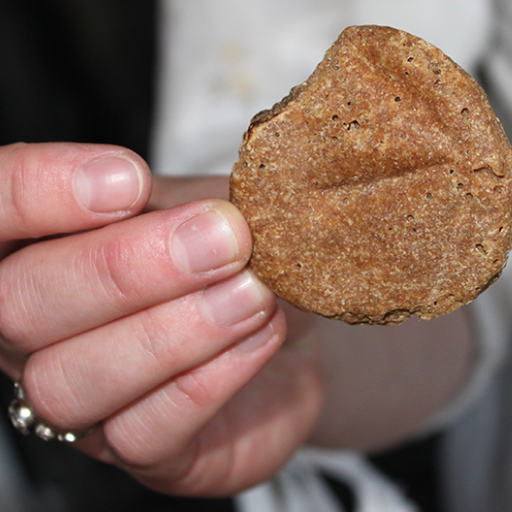
Flavored Hardtack: Herbs and Spices
Flavored hardtack is a contemporary adaptation that adds excitement to the otherwise plain original. By incorporating herbs and spices, you can create something that lets convenience and pleasure come together, making it more desirable for modern tastes while still honoring the simplicity of the traditional recipe.
🌿
Italian Herbs
Rosemary, thyme, oregano
🍂
Warm Spices
Cinnamon, nutmeg, ginger
🧄
Savory Blend
Garlic, onion, black pepper
🍯
Sweet Touch
Honey, brown sugar, vanilla
Gluten-Free Options for Hard Bread
Gluten-free hard bread is an excellent choice for individuals with gluten intolerance, celiac disease, or those seeking gluten-free products. These breads are made from gluten-free flours like almond, coconut, rice, or buckwheat flour. The combination of these flours with natural binders, such as xanthan gum or psyllium husk, ensures a proper texture and shape.
🌾 Gluten-Free Baking Tips
- Recipes should emphasize adequate water and rest time for proper texture
- Consider using a sourdough starter made from gluten-free grains for enhanced flavor
- Adding seeds, nuts, or dried herbs improves taste while maintaining a health focus
- Adhere to well-tested recipes to ensure a successful gluten-free baking experience
Creative Uses for Leftover Hardtack
Leftover hardtack can be creatively repurposed in various ways, making it a versatile ingredient in your cooking.
🍖 Breadcrumb Substitute
Grind into coarse crumbs for meatballs, coating chicken or fish for frying, or as casserole toppings for added texture and flavor.
🍲 Soup & Stew Base
Soak in water or broth until soft, then add to dishes for thicker consistency. Works particularly well in hearty, rustic recipes.
🍨 Sweet Treats
Soak in milk or sugar syrup, then layer with fruits, yogurt, or custard for dessert parfaits. Or bake with cinnamon, sugar, and butter for caramelized snacks.
Frequently Asked Questions (FAQ)
Q: What is a ship’s biscuit recipe and how does it relate to hardtack?
A: The ship’s biscuit recipe is a basic and durable bread recipe that resembles hardtack or “ship’s biscuits.” It is the simplest type of biscuit made with nothing but flour, water, salt, and occasionally a pinch of fat. The end product is a very hard biscuit with excellent shelf life, historically used by the British navy and other maritime communities.
Q: How do I make authentic ship’s biscuits that are still edible today?
A: Mix measured flour and salt, add water gradually while kneading until firm, roll out on a floured surface, poke holes with a fork, and bake at low temperature until completely dry. For a more palatable, less hard biscuit, add a little fat or milk while maintaining the traditional character.
Q: What techniques should I use to roll the dough for the best texture?
A: Use a floured surface and a rolling pin to achieve a uniform, flat thickness of about ¼ to ½ inch. Thoroughly dock (poke holes) to prevent puffing, and slowly bake until dry and crisp. This approach minimizes hardness without sacrificing authenticity.
Q: Can I rehydrate the ship’s biscuits to make them easier to eat?
A: Definitely! Soaking is the preferred method—rehydrate in hot coffee, broth, or water instead of using a hammer. Brief simmering can turn hardtack into a delightful base for stews like lobscouse or Civil War-era dishes, making them suitable for modern diets preferring softer textures.
Q: How did the ship’s biscuits survive infestations on long voyages?
A: Ships’ biscuits were historically susceptible to weevils and other insects. Crew members stored biscuits in closed jars or barrels and would often bake or toast them to kill pests. Today, storing flour in pest-free containers and proper storage in airtight conditions keeps problems away.
Q: What role did the ship’s biscuits play in the Royal Navy and Civil War?
A: Ship’s biscuits were a primary food for the British navy and other royal fleets, providing secure food supplies for lengthy voyages. They also fed soldiers during the Civil War. Their sturdiness and simple ingredients made them a core ration, though many tried to make them more palatable by soaking or adding toppings.
Q: Can I use a pasta machine or a hammer in preparing the ship’s biscuits?
A: A pasta machine can help roll out dough evenly for flat, uniform biscuits before baking. A hammer is only useful for breaking the hardest pieces into smaller, usable bits. For cooking and serving, it’s better to use softer preparation techniques such as soaking in coffee or broth.
📚 References & Further Reading
-
Academia.edu: Reproducing the 18th Century English Sea Biscuit
- This academic paper discusses the historical process of making sea biscuits, including the use of coarse flour and the absence of salt for authenticity.
- Read the Paper
-
City of Alexandria Archives: Ship Biscuit Recipe Activity
- A detailed PDF guide on making ship biscuits, including step-by-step instructions and historical context.
- View the Recipe
-
Savoring the Past: Ship’s Biscuit Recipes
- This source provides historical insights into ship’s biscuits, highlighting their simple ingredients (flour and water) and long shelf life.
- Explore the Recipes
-
University of Wisconsin Digital Collections: War and Food Conservation
- Includes references to historical biscuit recipes and their adaptations during wartime, such as using cornmeal or soybeans.
- Access the Document
- Leading Gummy Machines Manufacturer in China offering top-quality products

Shanghai Fude Machinery
Shanghai Fude Machinery Manufacturing Co., Ltd is a leading manufacturer of top-notch gummy and cookie making machines with more than 15 years’ experience in the industry. We provide creative equipment that ensures accuracy and speed while sharing intelligence with food producers. Shanghai Fude remains to be one of the most reliable companies for food machinery because of its dedication to perfection.