The combination of rich chocolate and crispy biscuits creates a...
Read More
The Role of a Biscuit Depositing Machine in Enhancing Precision and Quality in Baking


The Role of a Biscuit Depositing Machine in Enhancing Precision and Quality in Baking
Facebook
Twitter
Reddit
LinkedIn
Biscuit depositing machines are crucial in baking methods by automating dough handling and shaping. The machine imparts the biscuit-dough with consistent size, shape, and weight, which is paramount in uniformity and quality considerations inherent in large-scale production. On account of eliminating inconsistencies caused by human intervention, such machines enhance precision levels, which inevitably result in high-quality goods that satisfy the eye as well as the taste. They also provide for efficiency, minimizing time of production, and material wastage. Commonly, they are equipped with advanced features necessary for bakeries which must cater to both large market demands and majority of artisan specialties.
Understanding Biscuit Depositing Machines
What is a Biscuit Depositing Machine?
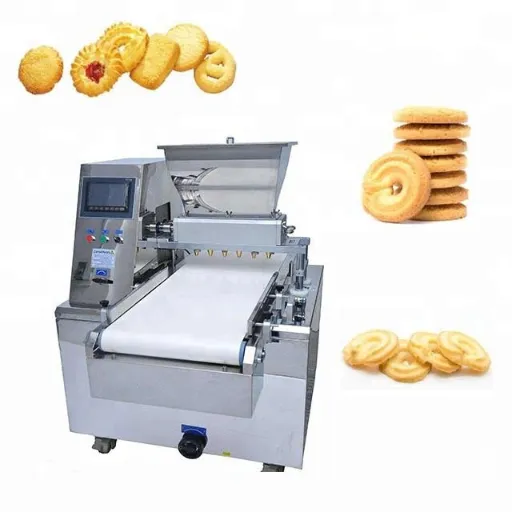
These biscuit depositing machines refer to very specialized machinery employed for accurately porting small quantities of biscuit dough, and shaping the dough into its final form. Depositing machines enable an operator to deposit uniform amounts of dough onto baking trays that are uniform within themselves in size, shape, and weight. They have an array of programmable settings and interchangeable nozzles to fashion an assortment of biscuit designs and textures. Biscuit depositing machines serve both in high-capacity industrial uses and the artisan bakery environment, thus providing versatility while also building on efficiency. Their innovative design saves human effort and hence improves product consistency and reduces material wastage.
How Cookie Depositors Work
Cookie depositors work with a series of exact mechanisms and some of the cutting-edge technologies, which simplify the procedure of cookie making. Generally, cookie depositors start their operation by filling the hopper with dough. The hopper holds dough in a reservoir. Then the dough moves into the depositing mechanism wherein the dough is divided into portions and shaped according to configurations set beforehand. Contemporary cookie depositors come with programmable controls that allow the operators to adjust parameters such as size, shape, and design with greater precision. Some of the machines are architectural, whether they work on extrusion or rotary systems, while others work with nozzles to carry out intricate layers. Features such as sensors and auto-calibration ensure consistency while reducing waste. This makes the cookie depositors an indispensable tool in the realm of in large-scale production as well as smaller artisanal work, by way of efficiency, uniformity, and quality in results.
Types of Cookie Depositors Available
Cookie depositors come in several types, each catering to specific production needs and scales.
- Single Row Depositors
Ideal for small to medium-scale production, these machines deposit cookies in a single row, offering simplicity and efficiency for standardized operations. They are particularly suitable for businesses transitioning from manual to automated processes. - Multi-Row Depositors
Designed for high-capacity production, multi-row depositors can deposit several rows of cookies simultaneously, significantly increasing output. These machines are perfect for factories that require consistent, large-scale cookie production. - Wire-Cut Depositors
This type excels in producing cookies with unique shapes and textures. By cutting dough with a wire as it extrudes, they enable the creation of detailed patterns or chunky inclusions, like chocolate chips or nuts. - Spray and Rotary Depositors
Commonly used for making flat or laminated dough products, these depositors are ideal for bakeries specializing in decorative or embossed designs, providing precision and consistency. - Customizable Depositors
Many manufacturers now offer highly versatile and programmable depositors, allowing bakeries to tailor settings such as speed, shape, and size for different recipes. These provide maximum flexibility for artisanal and specialized cookie lines.
Advancements in technology have made these machines more adaptable, ensuring that businesses of all sizes can find a depositor suited to their specific production requirements.
The Importance of Precision in Cookie Production
Why Precision Matters in Baking
Precision is one of the key requirements in baking that ensures consistency, quality, and customer satisfaction. It is highly dependent upon measurement and a controlled process in baking. Any variation in the quantity of ingredients from what is specified, or baking time, can go a long way into altering the end product. For example, the proper ratio of leavening agent to flour can proceed to change the texture of a cookie: it could be anything from soft and chewy to crisp and delicate. Newer equipment in modern baking provides for a higher degree of accuracy by automating deposition and shaping down to the very last specification, thus reducing human error and waste. With precision hard-wired into their processes, bakeries can assure their customers of uniform batches conforming to very high standards as a tribute to consumer trust and loyalty.
How Depositing Machines Ensure Consistency
Depositing machines act as great agents of quality assurance for consistent portioning of dough, batter, or filling types of matter. These machines employ very advanced technology to control variability, which is critical to maintaining product quality. A set of programmable controls allow the machines to deposit exactly the same portion weight and shape repeatedly, be it for cookies or pastries, or any other baking production. The state-of-the-art depositing machines, therefore, allow for recipe changes, and dimensionally complex deposits can be maintained without any compromise to efficiency. This ensures the style of consistency that improves lay-down reliability and allows outlets to satisfy consumer demand for a consistent look, feel, and taste.
Impact of Precision on Product Quality
Precision in food preparation is crucial to fulfilling the requirements of the industry and the expectations of the customer. An advanced depositing machine deposits a product according to exact specifications, thereby conferring a high degree of uniformity in size, feel, and appearance on the product. Such consistency also prevents wastage and enhances overall product appearance, an essential factor in markets. Research on trends in manufacturing shows that when an exact technology is used by an industry, customer satisfaction remains high because a satisfied customer needs quality in every purchase. Through such cutting-edge machinery, industrialists can attain the balance of mass and quality that leads to the fame of any industrial brand on the market.
Key Features of Modern Cookie Depositors
Automation and Efficiency in Baking
Modern cookie depositors are a watershed in the baking world, converting manual applications into automated precision-ingredient-wielding processes. Very modern machines ensure handling and processing of hundreds of different cookie shapes and sizes, guaranteeing consistency in every single batch. From an automation point of view, it is required to avoid numerous repetitive manual operations to keep labor costs low and to optimize production efficiency. The depositor control systems are equipped so that bakers can adjust the settings with extreme precision to address either varying recipe needs or special demands in production, and all changes are accomplished with no implications to the finished product quality.
Modern cookie depositors aid in waste reduction, aside from just increasing productivity. Proper portioning ensures that each cookie is made to specifications, minimizing materials usage and excess dough. This precision is very much needed in large operations, where even a little variation could amount to extensive waste over a period. Hence, the use of such automated systems helps businesses increase their profit margin, in juxtaposition with aligning themselves with sustainability, which is today considered an onward-mark. These advantages have created cookie depositors as a new industry standard, offering a dependable and efficient outlet for bakers to meet shifting consumer demands.
Adjustable Settings for Various Recipes
Bakers are enjoying highly customizable settings on cookie depositors, so they can now put the equipment to work for nearly any recipe. A lesser dough consistency may need to be compensated for; the depositor size and shape have also been fine-tuned for precision and adaptability. When it comes to stiff dough, like shortbreads, or firmer batters for chocolate chip consumption, the more ads reshaper machine can work with food-drying requirements. Apart from high customization of the final product, it also reduces the need for buying so many machines and ease working, providing consistent output from batch to batch.
Integration with Other Bakery Equipment
Modern mixers are purposely made in such a manner to fit with any bakery equipment, allowing a greater efficiency to enter into the process of baking. For instance, these machines can act in tandem with dough sheeters and dividers so that portioning and shaping remain consistent. It allows a smooth and uninterrupted working pathway through a high-volume operation by limiting manual intervention and promoting consistent quality in all products. Also, in an automated process whereby the mixer communicates directly with other machines, the mixer can vary its speed or mixing cycle upon receiving inputs from other machines in real time.
Proofing systems for temperature control constitute yet another critical integration aspect. Once proofing is in place, mixings can contribute to the setting of an environment in which the dough achieves its best rise before being baked. This synchronization, in effect, ensures that the dough remains good in texture and flavor, perfecting the mixing and proofing process. Some advanced mixers allow data sharing between systems, wherein bakers would monitor and control production steps from a central interface. The availability of full integration lessens down-time and errors, and further increases productivity.
Furthermore, these innovative mixers often provide compatibility to packaging and finishing lines. After mixing and baking, having a single set of equipment which transfers the products smoothly onto the packaging line allows bakeries to maximize speed and accuracy in the final stages of production. Time is saved, plus fresh and consistent products can be ensured. So by integrating with other bakery equipment, modern mixers are your best bet for streamlining production in small or industrial bakery set-ups.
Applications of Biscuit Depositing Machines in Bakeries
Scaling Production with Depositing Machines
One of the things that biscuit depositing machines made possible was scaling up production in a bakery efficiently. The machines allow for precise portioning and shaping of the dough or batter that is very important to ensure uniformity in very large batches. Modern depositing machines cover recipes ranging from soft doughs to the semi-liquid batters, accounting for cookie lines, biscuit lines, and sometimes even specialized confection lines. Their capacity for change and high operating speed have made them the crowning unit in meeting growing market demands while giving an even standard of quality to their produce. With automation enhancements and customization features, their importance in the production of industries has grown even further, reducing labor and wasting costs.
Customizing Cookie Shapes and Sizes
These days, modern cookie production facilities offer a flexibility that is unmatched when it comes to designing cookie shapes and sizes to satisfy all kinds of consumer tastes and market trends. The combination of modern extrusion methods and adjustable molds enables manufacturers to create cookies with an infinite variety of unique designs yet with precisely even dimensions. There are innovations like programmable logic controllers (PLCs) allowing operators to change production settings practically on the fly to produce customized shapes even for short-run batches. On this account, a greater degree of customization is needed for seasonal or special edition products to be customized for certain occasions or demands of a demographic. On the other hand, the precision of such systems reduces wastage of raw materials, catering to sustainability while giving quality.
Utilizing Filling Options in Cookie Production
There are diverse types of fillings enjoyed amongst numerous cookie varieties with which the nature of consumer preferences varies. Modern cookie-making machines are equipped with the most advanced filling machinery that can handle inconsistency from smooth cream to chunky jams, thus exacting accurate portions such that each cookie has an equal amount of filling and dough. Manufacturers may go to multi-layered fillings, dual-flavor combinations, or even surprise-filled types of cookies to appeal to growing consumer tastes. Such variation here gives a brand to stand out in a cluttered environment as well as continuously entertain its audience with some very unique and tasty seasonal offerings.
Advanced filling technologies also allow for operation at steady throughputs, even with complex recipes. High-speed depositing ensures the exact correct placement of filling materials, which helps reduce rejection of products and loss of materials, something that greatly reduces operational efficiency. These options greatly improve operational productivity while saving on overhead costs. Another advantage is the high flexibility of these filling machines or systems, which allow enterprises to undergo quick changeovers between any given types of fills, setting them up for instant production deadline setting or responding immediately to seasonal demands or marketing trends.
From the consumer’s point of view, luxury fillings add to the indulgence of cookies as they make a common treat a little more special. For example, premium-quality chocolate, fruit purees, and nut butters enhance flavor and give value perception to the item. By using innovation in filling techniques combined with the sourcing of top-quality ingredients, cookie makers are able to create products that appeal not just to the palate but to the emotional and sensory preferences of the consumer. It is this combination of creativity and technology that is transforming cookie manufacture whereby operationalantly efficient and product-quality oriented are forged together.
Choosing the Right Cookie Depositor Machine
Factors to Consider When Selecting Bakery Equipment
1. Production Capacity Needs
The primary thing to understand in production requirements is the choice of machinery. Considering the volume of cookies the bakery produces on a given day or week, the cookie depositor machine has to meet this daily or weekly capacity in an efficient manner without overloading or underloading itself in facilitating the movement. Scalable options are usually most appropriate to growing businesses.
2. Type of Products
The type of cookies or baked goods you intend to produce should directly influence your equipment decision. Machines that offer versatility and can handle various dough types, shapes, or fillings provide greater flexibility, especially for bakeries with diverse product lines.
3. Ease of Use and Maintenance
Equipment that is user-friendly and easy-to-clean can save time and operational costs. Purchase an equipment with easy control and little to no downtime during preventive maintenance. This smoothens the production process and provides a longer lifespan to the equipment.
4. Technological Features
Advanced features such as precision deposit controls, programmable settings, and customization options can elevate your bakery’s production process. Modern machines often include innovations that improve accuracy and minimize waste, contributing to cost savings.
5. Durability and Material Quality
High-quality materials and robust construction are essential for long-term use. Stainless steel machines or those built with food-safe materials tend to offer better durability and comply with hygiene standards.
6. Space and Layout Considerations
Assess the available space in your bakery to ensure the machine fits comfortably without disrupting workflow. Compact or modular designs may work better for smaller spaces while still offering scalability.
7. Budget and Cost Efficiency
Budgeting doesn’t just mean purchasing the least expensive equipment. Evaluate the long-term benefits, such as energy efficiency, reduced labor costs, or increased outputs, which can offset initial expenses and provide a better return on investment.
By balancing these factors with your bakery’s specific goals, it is possible to choose a cookie depositor machine that enhances productivity, maintains high-quality standards, and supports business growth seamlessly.
Top Brands and Models in the Market
When searching for the best cookie depositor machine, one realizes that there are quite a few reputable brands and models highly recommended in the industry. Unlike anything else, instructors always compete for their superior quality machines, which cater to different production requirements. The Multi Depositor unit from Bakon, for example, is well-known for precision, versatility, and being apt for bakeries that require uniformity on various doughs and batters. Along those lines, the Robot 500 by Vemag brings top-level performance to the table, with automated portion control as one of its key features for operations built towards scalability and efficiency.
Another one of themselves is Unifiller’s Compact Depositor, fit for enterprises with less space but more productivity requirements. What I appreciate most about these machines is how they stand for reliability and usability-they’re built to minimize downtime and expedite production processes. Apart from these major brands, Polin and Rheon deliver cutting-edge technology for those niche or specific baking processes, thus a niche figure for every kind of baking requirement.
Given a plethora of options, pricing, volumes of production, and the product itself are the predominant factors for consideration. From the really small artisanal bakery to gigantic factory-sized organization, these are some of the trusted brands that facilitate the manufacture of durable, efficient, and technologically advanced machines for upgrading cookie production. In view of the consideration of all these options, I would say that all these brands have selling points depending on what you want in a depositor.
Cost vs. Benefits of Investing in a Depositor
A cookie depositor could be a huge factor that could change the game for any bakery, and whether the cost is worth the benefit depends largely on its aptness in production or volume. In monetary terms, it might be a big upfront cost, especially with industrial-grade depositors costing several thousands of dollars. But when you compare it to the efficiencies gained on the floor in speeding production and ensuring uniformity, any savings in labor plus production time vs. the upfront cost would be huge. Suppose a depositor deposits hundreds of cookies per minute, with precise portion control, to minimize the wastes of ingredients and to keep the uniformity of portioning that would be almost impossible to achieve manually.
In addition to increasing the revenue of the bakery, depositors keep the product quality and workplace efficiency high. In other words, by allowing automation of one of the most laborious processes in baking, depositors enable an employee to focus on other valued tasks such as creative input into recipe development or packaging. This allows for fewer human errors with a consequent increase in customer satisfaction and further possibilities of increased sales due to a standard quality level. Smaller depositors used in artisan bakeries give the same benefits while conforming to their manual style of production and keeping productivity high.
Ultimately, the investment in a depositor comes down to production requirements, budgetary constraints, and plans for growth. The cost-benefit analysis becomes clear to me, however, when I think about the amount of time and resources one can save over the course of time, not to mention being able to grow operations without compromising quality. While managing costs is a factor, the long-term benefits of efficient, accurate production at a lower labor cost make a depositor an asset for every serious bakery.
Reference Sources
- Flamingo Equipment – Cookie Depositors: Revolutionizing the Baking Industry
Discusses how cookie depositors enhance precision, speed, and production rates in the baking industry. - Reading Bakery – Commercial Cookie Depositors
Explains how these machines ensure exact dough measurements, reducing waste and improving efficiency. - WM Machinery – Industrial Customized Biscuit Depositor
Highlights the machine’s adjustable features and its role in optimizing production processes. - Gobte – The Future of Cookie & Biscuit Production Lines
Explores innovations in biscuit production, including precision engineering to reduce waste and enhance productivity. - Westmere Baking Equipment – Premium Cookie Depositor
Showcases cutting-edge technology for consistent quality and efficiency in baking.
Frequently Asked Questions (FAQs)
What is a cookie depositing machine and how does it work?
A machine that deposits cookie dough is manufactured for the automatization of depositing cookie dough onto trays that are sent for baking. Depending on varied nozzle shapes, sizes, and molding capacities, the dough is deposited to mold any cookie shape and size desired, ensuring production of high quality and consistency. These machines normally contain a hopper system for holding the dough and have a control panel whereby bakers can set deposition parameters, such as speed and quantity. Owing to their efficiency, these machines can produce many varieties of cookies per hour to satisfy baking requirements of any kind.
How does a cookie depositor improve production efficiency?
Cookie depositors enhance production efficiency by automating the depositing process, reducing manual labor, and speeding up workflow. Features such as the touch screen control panel allow bakers to set their parameters easily for different types of cookie production, assuring precise amounts are deposited every time. This would mean that in terms of capacity, the productions can be performed in higher capacity, ensuring that bakeries can carry out large orders without compromising quality. New cookie depositors are space-saving designs, which ensure being able to save space in baking facilities.
What are the key features of a high-quality biscuit depositing machine?
Several features should be considered while selecting a good biscuit depositing machine. Multiple nozzles and moulds allow the biscuit depositing machines to have versatility in cookie shapes and sizes. Having a good control setup is indispensable to being able to set deposit speed and quantity accurately. Machines that accommodate the various batters, i.e., soft cookie, muffin, or even macaron batter, are also very welcome. Good cleaning systems will add to the life of the machine by preventing all dirt from settling and eroding it.
How does the design of a cookie machine impact its usability?
The visual identity of a cookie machine contributes to the dimensional usability, and smooth functioning thereof. A well-designed machine will be ergonomically culled so that a baker finds it easy to use and maintain. Features like a touch screen control panel with elaborate simplicity can facilitate the programmer with deposit settings. A small footprint aids space conservation in a bustling bakery, still hoisting a large capacity of production. The design of the cookie machine also facilitates chip cleaning and component maintenance with little downtime.
What factors influence the price of biscuit depositing machines?
There are numerous issues that factor into the price range of biscuit depositing machines, from capacity considerations to brand names and feature conventions. More-advanced models include features for automatic controls and several nozzles for different deposits, and hence they are more costly in price. The other factors influencing the price are the quality of manufacturing and the limited spectrum of outputs that the machine is capable of producing. Since bakers must assign value for their particular requirements and the scale of some kind of production, the cost for such machines could be assessed accordingly.
What types of pastries can be produced with a cookie depositing machine?
Cookie-depositing machine versatility is being put at work for shear genius in producing various types of pastries: cookies, muffins, or cake batters. By utilising different nozzles and moulds, bakers have the opportunity to design unique patterns and shapes for their baked antagonisms. This machine also works magnificently with soft doughs and those requiring denser batters, crossing a huge recipe parameter. Customizing deposits allow bakers to experiment with flavors and fillings, enriching their offerings and addressing customer needs with diversity.
Main Products
Recently Posted
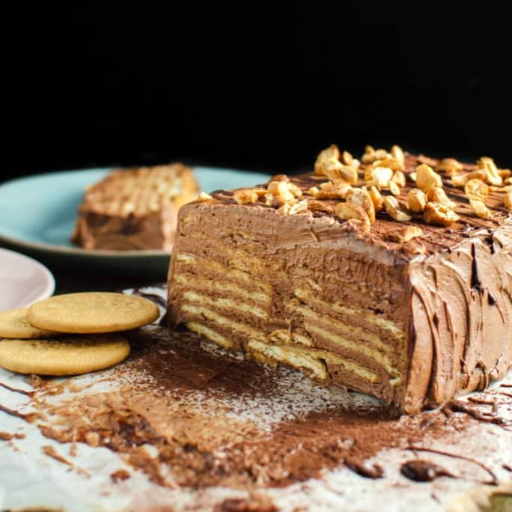
Chocolate Biscuit Pudding: Classic Recipe
DU
March 11, 2026
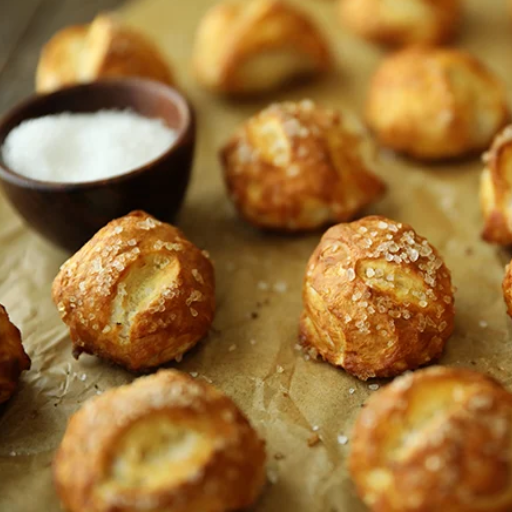
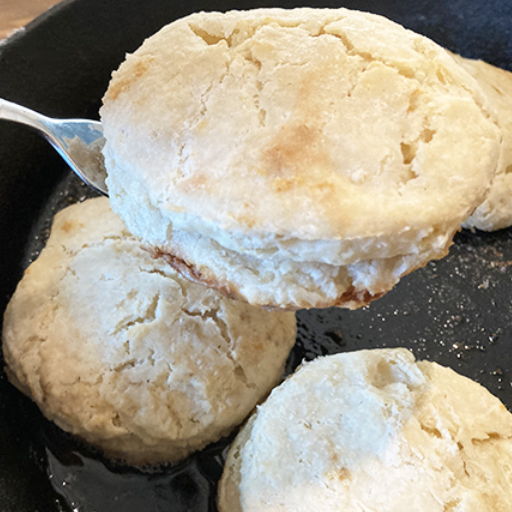
Exploring the Secret Ingredients in Traditional Jacks Biscuit Recipe Variations
DU
February 27, 2026
Flaky Buttermilk Biscuits: Easy Biscuit Recipe
DU
February 13, 2026
Low-carbohydrate almond flour cookies
DU
February 10, 2026

Gingerbread: Make Delicious Gingerbread Cookies, Cake, and Houses
DU
February 4, 2026
Blog Categories
Popular Blog Tags

Shanghai Fude Machinery
Shanghai Fude Machinery Manufacturing Co., Ltd is a leading manufacturer of top-notch gummy and cookie making machines with more than 15 years’ experience in the industry. We provide creative equipment that ensures accuracy and speed while sharing intelligence with food producers. Shanghai Fude remains to be one of the most reliable companies for food machinery because of its dedication to perfection.