You have found the correct recipe which produces fluffy biscuits...
Read More


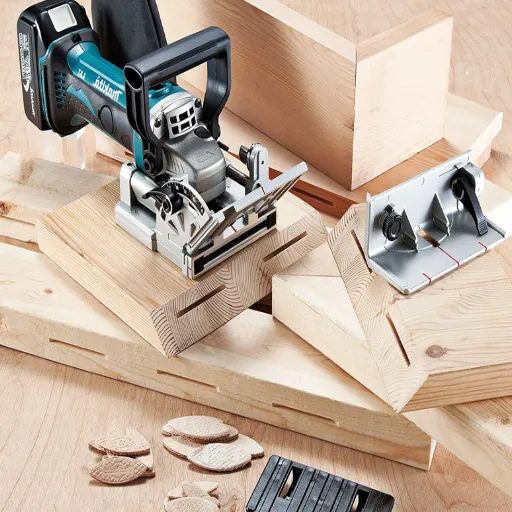
Electric biscuit jointers-or just biscuit jointers-are always contemplating perfection and efficiency in woodworking. This versatile tool allows the woodworker to create clean and accurate slots for the perfect matching of wood pieces to ensure durability. This machine has become a necessity for wood workers and DIY enthusiasts alike. Since there exist so many models, spotting out the right biscuit jointer would be quite a task balancing quality, functionality, and durability. In this hiccup, the originating clique will look into maximum features worthy of consideration when deciding on the perfect biscuit jointer, thus executing you with the knowledge to make an educated choice toward your woodworking project. Whatever you are looking for in this article will be from accuracy, power, to design features to find out the best biscuit jointer for the job.
Understanding Biscuit Joiner Machines
What is a Biscuit Joiner?
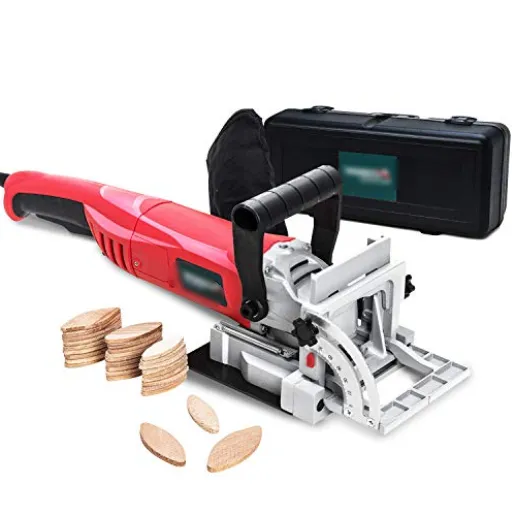
A biscuit joiner, or plate joiner, is a tool for joinery that can glue and join material together with precision and strength. It works by cutting semicircular slots into opposing edges of workpieces to receive a biscuit–a thin oval compressed wood piece. Glue is pried along into the slot, and as the glue moistens the biscuit, it swells tight to fill in the slot, thereby bonding the two workpieces tightly and durably. Modern biscuit joiners have adjustable fences for depth and angle settings to allow flexibility in joining procedures. One would find them often used in making cabinets, furniture, or frames where precision and strength are major factors. The use of biscuit joiners allows the woodworker to accomplish neat and hidden joints quickly.
How Biscuit Joiners Work
Biscuit joiners cut accurate crescent-shaped slots on the edge of the materials to be joined. The process starts with aligning the workpieces and marking the possible locations of the joint. Once the system is calibrated, the joiner cuts into the wood with a fast spinning carbide blade. Afterward, compressed wood or composite biscuits, normally pre-cut into standard sizes #0, #10, or #20, are driven into these slots.
Once the biscuit is in the slot and adhesive has been applied, it takes up the moisture from the glue, thereby slightly swelling. This swelling granted a tight fit inside the slots while also strengthening the joint’s structural integrity. Modern biscuit joiners come with adjustable depth stops and angle guides to incorporate accuracy in cuts even for complex mitered or offset joints. This system of work ensures excellent workmanship by allowing for repeatable precision with minimal misalignments and offers longevity, which is of essence in professional applications.
Benefits of Using a Biscuit Joiner
There are many possible advantages of using a biscuit joiner, and anyone would consider it an indispensable woodworking tool of interest to amateurs and professionals within the workspace. Its biggest advantage is probably joining workpieces with ease and strength. The compressed wooden biscuit swells by absorbing glue, developing an excellent grip for a rigid connection between the workpieces. The method ensures better joint stability than others that use mechanical fasteners solely.
Besides, their real flexibility lies in aligning and securing all sorts of joints: edge-to-edge, miters, or T-joints. This very flexibility becomes imperative in complex scenarios where precision and alignment are required. Modern biscuit joiners feature variable cutting depths and angle guides, allowing one to obtain very accurate results even in very demanding applications.
Another great advantage lies in the efficiency of the process. Biscuit joiners shorten assembly time by preparing joints and aligning them very quickly. Besides, the biscuits being small allow them to be concealed inside the woods, thereby preserving the good aesthetics of the final piece without requiring protruding screws or nails. For woodworking professionals, this kind of tool also supports scaling-up; hence bigger production is easily possible without compromising on quality.
Being able to resist wood movement, biscuit joining enjoys unmatched durability as an environmental variable alters wooden surfaces by factors such as temperature or humidity. Hence, any biscuit-jointed project will maintain its complete structural integrity for long, giving the biscuit joiner a worthy title of a reliable and precise machinist-as far as woodworking is concerned.
Key Features of a High-Quality Biscuit Joiner
Blade Quality and Types
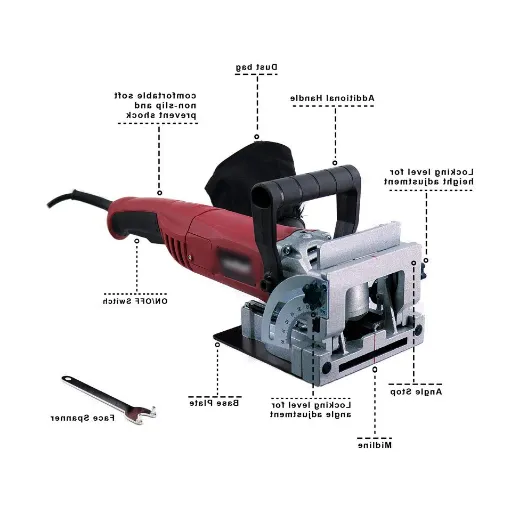
The blade’s quality and type in a biscuit joiner contribute to the jointing power and versatility of a given tool. From the superior class, a blade is generally of carbide-tipped material, which makes it very durable and offers an excellent level of precision in cutting dense hardwoods. Hence, the blades are crafted to keep a good edge for a long time, which means that replacements will be seldom needed and that the results will be consistently satisfactory.
In addition, blade types differ according to the applications one seeks. Standard blades are made to cut slots for the most common biscuit sizes (#0, #10, and #20), whereas special blades, such as the very thin kerf blades, are available for narrower and custom slots. Would-be very advanced blades could even have adjustable ones that cut at varying angles to improve the versatility in more complex or non-standard woodworking. The maintenance of a fine blade will be essential for the clean and crisp cuts that are required for perfect joinery.
Adjustable Jigs and Fences
Adjustable jigs and fences are, undoubtedly, important mechanisms for accuracy and precision in woodworking and joinery jobs. These tools would let the work piece be fastened so tightly to allow cuts to be made repeatedly across various parts with uniformity. High-quality adjustable fences would likely be graduated and marked with micro-adjustments for fine control of alignment and positioning. Many modern fences come with a quick-locking system to ease pre-setup and mid-way adjustment for more complex jobs. Just as jigs can be clamped or held at different angles, depths, and sizes, they provide an indispensable function for drilling, routing, or cutting patterns. Being able to configure these tools for the given job limits inaccuracies and material wastage, ensuring results worthy of a professional job.
Power Specifications and Cord Length
In terms of power tool evaluation, understanding power specifications is an absolute essential to maximize performance and to meet the needs of a project. These electrical tools are usually rated by voltage, measured in volts (V). This voltage denotes the electrical potential that must be applied for the tools to operate. For electric tools with a cord, rating by the amperage specifies the amount of electrical current that the power tool holds in peak operating conditions. This also affects power output and efficiency-larger amperage results in greater ability to handle tough jobs such as cutting tough materials and prolonged time under load.
Gauging tool usability, cord length holds many considerations, each bearing weight. Longer cord lengths increase the extended reach, lessening the use of extension cords in large areas. But, too much cord length can create voltage drop and may, thus, harm tool performance. The manufacturers will often make careful considerations between cord length and wire gauge to prevent such voltage loss so that the full voltage is applied to the tool. A good safety step would be to select tools having cords of appropriate length while learning about their electrical parameters. This goes for safety issues and makes working easier in both professional areas and DIY settings.
Popular Biscuit Joiner Models

Review of Porter Cable Biscuit Joiner
Considered a beauty by woodworkers, the Porter Cable Biscuit Joiner has an enviable reputation for its accurate and durable features as well as an easy-to-use design. For sturdy and precise joints, this model has a 7-amp powerful motor that would surely work smoothly even during heavy-duty operations. At a speed of 10,000 RPM, the blade makes smooth cuts for grooves that cannot go beyond the biscuit sizes.
The tool features adjustable settings for the fence from 0 to 135 degrees, enabling the flawless construction of any angled joint for various applications. One design feature of the tool is the fence with a positive adjustable stop at 90 degrees, guaranteeing accuracy that can be repeated every time. An ergonomically molded handle is another feature that improves the grip and reduces user fatigue when working for long periods. Finally, the Porter Cable Biscuit Joiner boasts an integrated dust extraction port, which keeps the workspace cleaner and reduces cleanup time.
A key aspect that sets this tool apart is its capability to handle an extensive range of biscuit sizes (FF, 0, 10, and 20), which caters to diverse project needs. The metal construction of the base and vital components assures longevity, while the inclusion of a carrying case enhances portability and storage convenience.
Whether you’re working on cabinets, frames, or furniture, the Porter Cable Biscuit Joiner demonstrates versatility and reliability. Its solid build, coupled with advanced features, makes it an ideal choice for both professional craftsmen and serious hobbyists requiring efficient and precise performance.
Comparing Other Leading Brands
The Porter Cable Biscuit Joiner is compared to other leading brands in the market by considering such parameters as durability and precision, versatility, and feature integration. DeWalt and Makita provide equally good machines that are more about ergonomics and motor enhancements. DeWalt would tend to have design features that are considered very rugged and with safety considerations focused on user interaction. Makita, more often, carries a high torque motor, which would provide an effortless cut to flow through dense materials. Festool is the most precise in engineering and stands paramount in dust extraction systems, aimed at those who like a clean, accurate approach to woodworking. Every brand has a different strength for user requirements so certain choices are forced onto the craftsperson according to exact needs for projects and environmental limitations.
Top Models for Different Biscuit Sizes
When considering biscuit joiners, selecting a model that accommodates various biscuit sizes is critical for achieving precise and durable joints. Below are some leading models suited for diverse needs:
Makita PJ7000
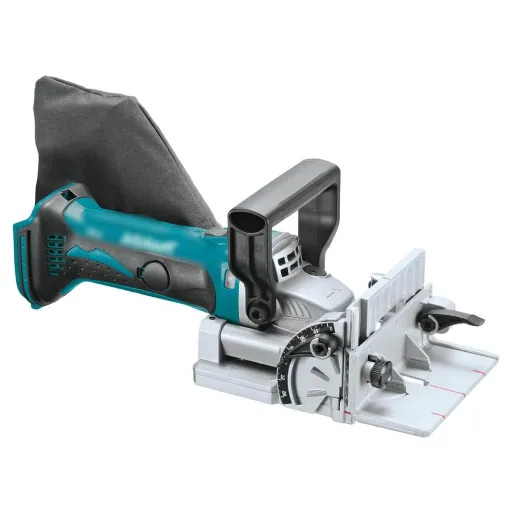
The Makita PJ7000, known for its lightweight yet robust design, supports all standard biscuit sizes (0, 10, and 20) with exceptional accuracy. Its adjustable fence allows for precise angle cuts, and the powerful 5.6-amp motor ensures smooth operation even with hardwood materials.
Festool Domino DF 500
While technically a dowel joiner, the Festool Domino DF 500 provides unparalleled flexibility, making it a valuable choice for those working with non-traditional biscuit sizes. Its innovative mortising action enables adjustable joint widths, offering a high degree of customization and consistent structural integrity.
DeWalt DW682K
This model caters to professionals and enthusiasts alike, with integrated grooves designed for standard biscuit sizes. The DW682K’s dual rack-and-pinion fence ensures consistent flush cuts, and its aluminum shoe construction guarantees long-term durability.
Each of these tools brings distinct advantages, ranging from versatility to precision, making them suitable for a variety of woodworking projects. Careful consideration of material type, project scope, and biscuit size compatibility is essential when selecting the appropriate model.
Tips for Choosing the Right Biscuit Joiner
Understanding Joint Types: Mitered vs. Standard Biscuits
When choosing among mitered versus standard biscuits, it is important to realize what they are used for in woodworking joints and texture. Standard biscuits usually have an oval shape and are generally used for aligning or strengthening edge-to-edge or edge-to-face joints. Because of their versatility, they act best when reinforcing connections in tabletops, cabinets, shelving, and so forth. They obtain their strength through a very precise slot cut and careful alignment at assembly.
Mitered biscuits, however, are meant particularly for instances wherein angled joints are created, such as in the corners of picture frames or decorative moldings. The biscuits have a special profile that enables a lock fit inside miter-cut slots. The mitered biscuit in the joint provides reinforcement and also improves the accuracy of the angle so that it fits squarely and flawlessly. Both must be weighed in considering which is to be selected: the structural necessity of the woodworking project or the degree of precision with which the joint is to be aligned.
Evaluating Power Tools for Your Needs
Mitered biscuits, however, are meant particularly for instances wherein angled joints are created, such as in the corners of picture frames or decorative moldings. The biscuits have a special profile that enables a lock fit inside miter-cut slots. The mitered biscuit in the joint provides reinforcement and also improves the accuracy of the angle so that it fits squarely and flawlessly. Both must be weighed in considering which is to be selected: the structural necessity of the woodworking project or the degree of precision with which the joint is to be aligned.
Your consideration of material-specific requirements is among the factors affecting your choice of tools. For example, machine tools for cutting metals should run at a low speed and accept special blades, whereas woodworking tools are best operated at smooth, high speeds. Compatibility of accessories and attachments extends into another consideration, as the more options you have, the more versatile the tool becomes with regard to other applications. A careful evaluation of these things ensures that the power tools you are selecting will adapt with equal ease to the present and future requirements of your projects.
Considering Ergonomics and Ease of Use
During the selection of power tools, ergonomics and ease of use are crucial factors, as these aspects directly pertain to the level of comfort, safety, and productivity of the user levels during long sessions of operation. The modern designs take the matter of lightweight materials and balanced constructions to reduce the user’s experience of fatigue; this is especially true when tools are held working in more-or-less fine operations for some time. Among other things, handle design features may include contour grips, which offer a very comfortable grip for the cradle of the hand down to the fingers, and anti-vibration technology that reduces the vibrations that are transmitted to the hands and wrists in normal operation, thereby reducing stress and providing improved manipulation when working. Other ergonomic features include tool-free adjustment, layout, and markings that are easy to understand, all aiding in rapidly operating the tool and minimizing downtime. By building tools around ergonomics and user-friendly interfaces, the manufacturers ensure that both professionals and hobbyists can achieve precision and consistency with the least physical effort.
Maintenance and Care for Your Biscuit Joiner
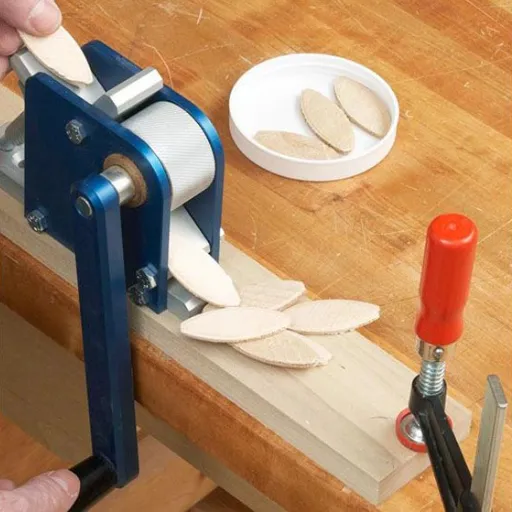
Regular Cleaning and Blade Maintenance
For optimal functioning of your biscuit joiner, my maintenance regime involves cleaning and inspection of the blade on a regular basis. Upon completing the work, I remove any dust and debris from both out and insides of the joiner. A soft-bristle brush or compressed air is usually employed to keep the purge from clogging because such interference would limit the joiner’s usefulness. Any residue left behind must be spot-cleaned with a damp cloth and a mild household cleaner, but particular attention ought to be paid not to wet any electrical sites. It is also essential to keep clear the ventilation openings and motor housing so that cooling can take place efficiently.
Blade care is essential; if the blade is dulled or warped, it will reduce cutting accuracy and also cause splintering in the wood. I usually check the carbide-tipped blade for chips and questionable wear patterns or warping. To keep its sharpness, I would either go for a manual sharpening using a diamond file or send it out for professional servicing. The blade would be replaced with a comparative high-quality one as per the manufacturer’s recommendations if it were worse for wear or chipped beyond repair. Correct blade alignment on reinstallation is a must for without it, vibration will be induced and the biscuit slots will be inaccurate.
Lastly, I really try to check all moving parts from time to time for any kind of excessive wear or need for lubrication. Any sticking mechanism is lubricated with whatever is recommended by the manufacturer, so the tool will run smoothly for a good blessed long time. By consistently adhering to this maintenance procedure, I see to it that my biscuit joiner stays in pristine working condition, offers precision in operation, and has the best possible lifespan.
Common Issues and Troubleshooting
One common problem I face with my biscuit joiner is off cuts, often caused by improper alignment of the tool. Hence, I make sure to calibrate the fence and the blade before working with them. Slight shifts can be caused in time by vibration or heavy use; hence using a square or an alignment jig, I always check on the alignment. Should misalignment still occur, with such a fine tolerance interaction between components, I also check the mounting bolts of the fence and blade just to be certain that they are tightened properly.
One of the common concerns people usually have with jointer-made finishes is that the wood has burn marks, signifying a dull or an improperly maintained blade. When I notice that, I immediately pull out the blade and check for dullness, buildup on it, or perhaps some form of damage. If dullness sets in, I discard it and install a sharper blade designed for my specific jointer model. Cleaning the blade with a solvent is also another good idea since it removes any resin buildup from obliterating its ability to work well. Another cause for burning might be user error- excessive pressure; hence moderate and consistent pressure must be used when cutting.
Lastly, I sometimes find attempting to join pieces with biscuits that do not provide a snug fit and might be due to the biscuits swelling from excessive moisture or the slots being made too deep. However, I keep a sealed container to preserve the biscuits dry and check every time to set the depth on the joiner correctly. When the slot depth has inconsistencies, I will clean out the dust extraction system internally, as blocked dust extraction can affect the accuracy of the tool. Sitting back and relaxing through these trials is the worst thing one can do. Instead, staying alert to such issues and taking proactive steps to address them will keep my tool in perfect shape and result in great results using my biscuit joiner.
Storage Tips for Longevity
For the maintenance and longevity of tools, I have imposed a very strict storage routine. Thus, for the biscuit joiner, it is life-important to allow a cool and dry place to garner rust or material damage on account of excessive humidity or sudden temperature fluctuations. The tool should remain in its box so that no dirty particles can enter or fall on it accidentally. I never forget to give it a good cleaning before putting it away so that there is no dirt left that could cause any problems. At times, I also check for any sort of fraying or hazardous wear and tear in the power cord or connectors that may present a safety hazard or cause loss of efficiency.
keeping the quality of biscuits should be of utmost importance. I prefer to keep them in the best types of containers that are largely airtight and moisture-proof so that they can remain dry-and from swelling. Any change caused by swelling could hamper its fitting and precision. With the help of desiccant packets, which suck in any moisture left in the air inside the box, I bolster the protection even more. While setting things up, I always make sure that the tool and those things that go with it are within easy reach but tightly tucked away so that nothing can fall on them and damage them. Such storage helps me extend the life of my history and, more importantly, ensure that it always works in every project.
Reference Sources
-
5 Best Biscuit Joiners, Tested by a Professional Woodworker – A detailed review of top biscuit joiners based on power, accuracy, and ease of use.
Tool Review: Biscuit Joiners – A comprehensive test and review of various biscuit joiners, highlighting their performance and features.
We Tested the Best Biscuit Joiners, See Our Results – A guide from Bob Vila showcasing the best biscuit joiners, focusing on power, vibration, and weight.
Choosing a Biscuit Joiner – A buying guide that explains key features like blade compatibility and slot cutting options.
Biscuit Jointer Recommendation – A community discussion comparing different biscuit jointers and their practical applications.
Frequently Asked Questions (FAQs)
What is a biscuit joiner and how does it work?
The biscuit joiner, or plate joiner, is actually a woodworking tool. It cuts slots for biscuits, which are oval-shaped pieces of compressed wood. It uses a saw blade to cut slots in the workpieces, aligning their edges for gluing. The biscuit joint is used quite often in cabinetry and carpentry jobs where very accurate joints are required. A biscuit joint will align the pieces accurately and hold their thickness. Biscuit joiners provide fast assembly for furniture such as bookcases and tables.
What are the different biscuit sizes available for biscuit joiners?
Usually, biscuit joiners use standard-size biscuits, in many sizes#0, #10, and #20. Depending on the thickness of the workpieces to be joined to the strength desired in the joint, larger biscuits are used. #20 biscuits are apt for thicker boards, and smaller biscuits for thinner ones. This knowledge of biscuit sizes becomes important in woodworking projects for proper alignment and strength. Manufacturers like Lamello and Dewalt make all types of biscuits usable with their biscuit joiners.
How do I adjust the fence on a biscuit joiner?
On a biscuit joiner, an adjustable fence must be accurate for maintaining precise cuts and alignment. To set the fence, the user usually unlocks its lock, slides it into position, and sets it to the centerline of the workpiece. What this then achieves is the cutting of biscuit slots either at 90° or 45° so that these can be glued up flush with the project. Adjusting the fence properly will ensure the joints remain flush in the assembly. Don’t forget to check on the fence alignment to maintain accuracy in all your woodworking projects.
Can a biscuit joiner be used for miter joints?
Miter joints can be easily created with the biscuit joiner because of its versatility. The slots for the biscuits should be placed correctly on a mitered edge to make sure that the joint is strong enough. It will cut slots at a 45° angle with high precision so miter joints for picture frames and cabinet corners are perfect. Biscuit joints add strength and stability in miter joints as the glue bonds both members together. However, both joints require excellent alignment and precision for best results.
What type of blade is best for a biscuit joiner?
Carbide-tipped blades are considered the best blades for biscuit joiners because they have been designed with durability and life in mind. These blades will make clean cuts through anything from hardwoods to MDF. Ensure that you use only biscuit-cutting blades, as these produce slots with the right size and shape for the biscuits. Some biscuit joiners have the blade height set so that it is easy to use but ensures uniformity in all cuts. Keeping the blade fresh constantly serves to improve the machine’s cutting.
What materials can I use with a biscuit joiner?
Biscuit joiners are versatile machines that can be used to join two pieces of plywood, hardwood, or MDF. The diversity of the tool permits its uses in different sectors of woodworking, from making furniture to cabinetry. Regardless of the working material, whether it be hardwood or MDF, the critical thing is to ensure the thickness of the workpieces is compatible with the biscuit sizes being used. For a structural purpose, use the right material for the joint so that it remains durable. The use of glue together with biscuits maximizes the strength of the assembly, sufficiently strong for fostering both decorative and functional woodworking projects.




Shanghai Fude Machinery
Shanghai Fude Machinery Manufacturing Co., Ltd is a leading manufacturer of top-notch gummy and cookie making machines with more than 15 years’ experience in the industry. We provide creative equipment that ensures accuracy and speed while sharing intelligence with food producers. Shanghai Fude remains to be one of the most reliable companies for food machinery because of its dedication to perfection.